The Creator Economy Needs Better Music Infrastructure—Here’s Why
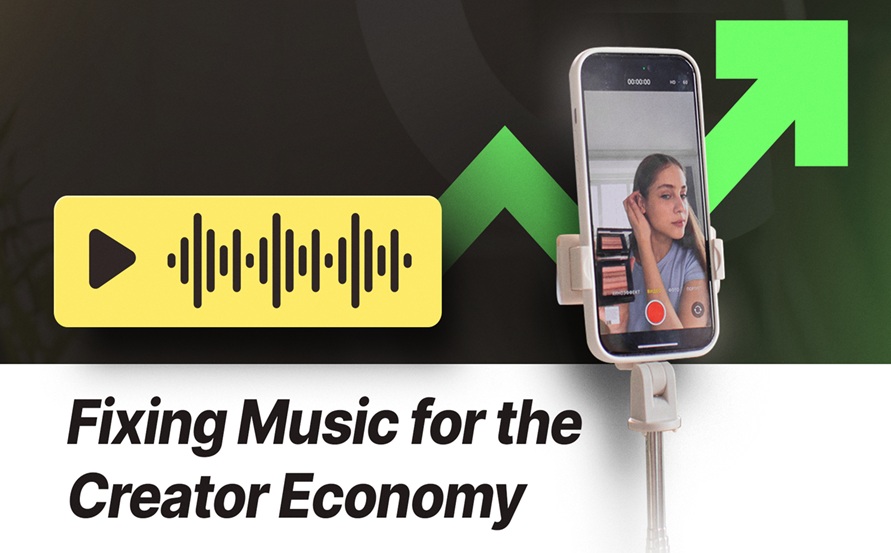
Mumbai, 26th August 2025: In the past five years, India’s creator economy has transformed from a niche community into a powerful industry. From YouTubers and Instagram Reels creators to podcasters and streamers, Indian digital creators now influence trends, consumer choices, and even mainstream media.
According to recent industry reports, India’s creator economy is valued at over ₹3,000 crore and is growing at more than 25% annually. Platforms like YouTube, Instagram, Moj, and ShareChat have given millions of Indians a stage but one key ingredient continues to define how content is perceived and remembered: Music.
Music doesn’t just add background sound; it sets the mood, builds emotional connection, and often determines whether a piece of content gets traction or not. Yet, despite its importance, music infrastructure for Indian creators is still underdeveloped and that’s holding the ecosystem back.
Why Music Is the Heartbeat of Indian Digital Content
From a wedding vlog backed by soulful Bollywood melodies to an Instagram Reel powered by trending indie-pop, music is at the core of India’s content culture. It enhances storytelling, drives engagement, and plays a big role in cultural relatability.
In India, where music tastes span Bollywood, indie, devotional, folk, and global genres, the right track can elevate content far beyond visuals alone. Think about brand campaigns during Diwali or Holi. The music often carries the festival’s energy even before the visuals unfold.
Current Challenges in India’s Music Infrastructure
1. Licensing Confusion & Legal Risks
Many Indian creators are still unclear about copyright laws. The terms royalty-free music, licensed music, and public domain music are often misunderstood.
Platforms like YouTube have automated systems that detect copyrighted music and issue strikes, demonetise videos, or even remove them. Several Indian vloggers and influencers have lost income or had videos taken down because they unknowingly used copyrighted Bollywood or regional tracks.
2. Limited Access to Affordable, Culturally Relevant Music
Traditional music licensing in India is expensive and complicated. Even a short usage of a popular Bollywood song can cost more than an independent creator’s monthly budget. While some stock music platforms exist, they often lack the cultural relevance needed for Indian audiences. Generic tracks rarely match the energy of a Garba performance, the nostalgia of a 90s Bollywood scene, or the vibrance of a Punjabi wedding video.
3. Platform Fragmentation
Different Indian platforms YouTube & Instagram have varying music policies. A track cleared for Instagram Reels may not be safe for YouTube monetisation. Creators have to navigate a patchwork of rules, which slows production and increases the risk of mistakes.
4. Poor Music Discovery Tools
Finding the right track is harder than it should be. Many libraries offer basic search filters but don’t allow for searches based on mood, cultural festival, tempo, or language. A creator looking for a “modern remix of a Marathi folk song” often has to dig through hundreds of irrelevant tracks.
What Better Music Infrastructure Would Look Like in India
1. Clearer Licensing & Rights Management
Creators need plain-language licensing that explains exactly where music can be used YouTube, Instagram, live streams, etc. A centralised, focused music-rights database would eliminate guesswork.
2. Affordable, Creator-Friendly Music Libraries
Subscription-based models tailored for independent Indian creators could offer access to diverse music across Bollywood, indie, folk, and regional languages without the huge costs of traditional licensing.
3. Cross-Platform Usage Integration
Licensing should be platform-agnostic. If a creator pays for a track, they should be able to use it on YouTube, Instagram and even in brand collaborations without renegotiating terms.
4. AI-Powered Music Search & Localisation
AI tools could allow searches by mood, cultural context, or festival type. They could also help automatically adjust music length and tempo to match the video perfect for Reels, Shorts, or montage sequences.
Why It’s Good for Business
Strengthening India’s music infrastructure benefits everyone:
- Creators can publish more content, faster, without legal risks.
- Brands get safer, culturally relevant campaigns.
- Music Rights Holders unlock new revenue streams from licensing to millions of active creators.
- Audiences enjoy richer, more engaging content that reflects India’s diversity.
Indian Platforms Leading the Way
Some services are already moving in this direction:
- Hoopr Smash – Offers copyright-safe popular, trending Bollywood, indie, and regional tracks tailored for Brands & Creators.
- ai – Designed specifically for Indian brands and content creators to use music safely.
These platforms are bridging the gap, but the industry still needs unified standards and deeper integration.
The Cost of Not Acting
Without better infrastructure:
- More creators will face demonetisation or takedowns.
- Brands will hesitate to invest in influencer partnerships.
- Artists will miss out on legitimate monetisation opportunities.
- India’s creator economy will grow slower than its true potential.
India’s creator economy is one of the fastest-growing in the world, but music infrastructure hasn’t caught up. By investing in affordable, transparent, and culturally relevant music licensing systems, we can empower creators to produce without fear and enable artists to earn from the booming digital market.
The future of Indian content will be powered by music. The question is whether the industry will give creators the tools they need to make it happen.