Top 10 Questions Patients Ask Before Starting Radiation Therapy – Answered by Experts
Pune, 8th September 2025: Being advised to undergo radiation therapy as part of cancer treatment can feel overwhelming. It is natural for patients and their families to have many doubts about how the treatment works, whether it is safe, what side effects may occur, and how it could affect daily life. These questions are important because having the proper knowledge not only prepares you for the journey ahead but also helps reduce unnecessary stress.
To support you, we have compiled clear answers to the most common questions patients typically ask before starting radiation therapy. Each answer is explained in simple language, helping you feel informed, confident, and ready to take the following steps in your treatment.
What Exactly Is Radiation Therapy?
A team of specialists usually works together to provide cancer care. Patients can consult the best oncologist in Pune at reputable cancer centres, where the oncologist guides the overall treatment plan and supervises radiation therapy.
Radiation oncologists design the treatment, radiation therapists operate the machines, and nurses provide day-to-day care and support. Dieticians and counselors may also be involved to help you stay strong physically and emotionally.
Will Radiation Therapy Hurt?
This is one of the most common concerns. Radiation therapy itself is entirely painless. You will not feel the beams during treatment. The procedure is similar to getting an X-ray, but it’s stronger. Some patients may feel skin irritation or fatigue later, but the treatment session itself does not cause pain.
How Long Does Each Session Take?
Each radiation session typically lasts 10–20 minutes. Most of the time is spent ensuring you are in the correct position so that the radiation reaches the exact spot needed. The actual delivery of radiation lasts only a few minutes. The number of sessions varies depending on the type and stage of cancer.
What Are The Common Side Effects?
Side effects depend on which part of the body is being treated. Some common ones include:
- Tiredness (fatigue)
- Skin irritation (redness, dryness, or peeling, like sunburn)
- Hair loss in the treated area
- Changes in appetite
- Nausea (if the stomach is treated)
The good news is that most side effects are temporary and can be managed with medication, dietary changes, and rest. Your doctor will guide you on how to take care of yourself during treatment.
Will I Lose All My Hair?
Hair loss during radiation happens only in the area being treated. For example, if radiation is administered to the head, hair loss may occur in that area. If radiation is focused on the chest or another location, the hair on your head will not fall out. This differs from chemotherapy, which can cause hair loss throughout the entire body.
Will I Be Able To Continue With My Usual Daily Activities?
In most cases, patients will be able to continue with their usual daily activities, such as work, cooking, and light exercise. However, you may be more fatigued than usual. It is essential to listen to your body. Rest, good nutrition, and avoiding over-exertion will help to cope with daily life during treatment.
Is Radiation Therapy Safe?
Yes, radiation therapy is safe. Modern technology ensures that radiation is delivered with great precision. Doctors and technicians carefully plan each treatment to minimise the exposure of healthy tissue to radiation as much as possible.
The machines are regularly checked for safety, and the medical personnel have specialised training to ensure that the radiation is delivered safely. Centres like Onco-Life Cancer Centre follow strict safety protocols and utilise advanced technology to ensure treatment is both effective and reassuring for patients.
Will Radiation Make Me Radioactive?
This is a prevalent myth. External radiation therapy does not make you radioactive. Once the session is over, there is no radiation left in your body. You can safely hug, sit, or talk with your family, friends, and children without any risk to them.
How Do Doctors Make Sure Radiation Hits Only The Tumor?
Before starting treatment, doctors create a personalized plan using scans like CT or MRI. Minor marks may be made on your skin to guide the machine. During each session, the machine is carefully positioned to ensure the beams are directed exactly where they are needed. This precision ensures maximum effect on cancer cells and minimal damage to healthy tissues.
Who Will Be Involved In My Treatment?
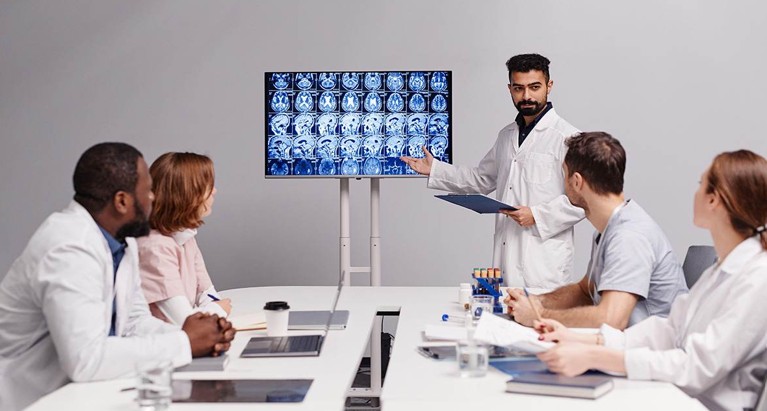
A team of specialists usually works together to provide radiation therapy. Patients can consult the best oncologist in Pune at reputed cancer centres, where the oncologist guides the overall treatment plan. Radiation oncologists design the treatment, radiation therapists operate the machines, and nurses provide day-to-day care and support. Dieticians and counselors may also be involved to help you stay strong physically and emotionally.
Tips To Manage Radiation Therapy Better
- Eat a healthy diet: Fresh fruits, vegetables, and proteins help your body recover.
- Stay hydrated: Drinking enough water reduces tiredness and keeps your body healthy.
- Protect your skin: Use gentle soaps and avoid harsh creams unless recommended by your doctor.
- Rest well: Your body heals faster when you get proper sleep.
- Ask questions: Always speak to your doctor if you feel unsure or uncomfortable.
When to Contact Your Doctor?
It’s important to stay alert to changes in your body. Call your doctor immediately if you notice:
- Severe pain or skin burns
- Sudden weight loss
- Continuous nausea or vomiting
- Unusual bleeding
- High fever or infection symptoms
Early communication helps your medical team manage side effects quickly and effectively.
Final Thoughts
Radiation therapy can be a very successful type of treatment for cancer. However, it can sometimes feel overwhelming, especially when we don’t know what we are walking into. By asking the right questions and being aware of the right answers, one can be more comfortable with the treatment and process.
Resources such as reputed cancer centres like Onco-Life Cancer Hospital help patients find the best oncologist in Pune. These cancer centres bring together specialists with years of expertise, advanced technology, a safety-first environment, and a multi-disciplinary approach that gives patients the best chance at safe and effective care.