Royal Bakery Pune: A Legacy of Taste Since 1914
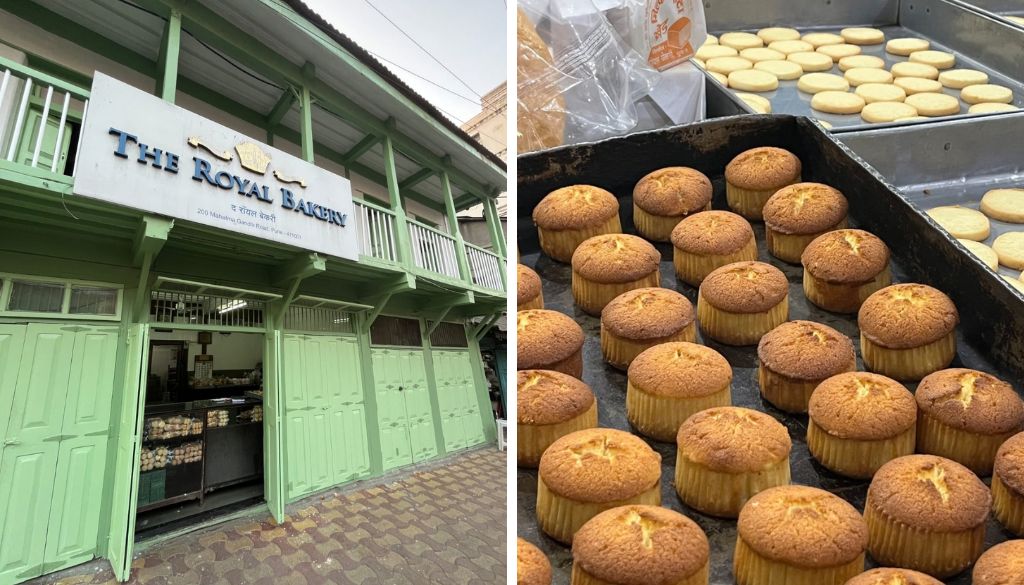
Reported by Shoaib Tadvi & Sakshi Pandhare
Camp, 11th March 2026: In the heart of Pune’s old cantonment area stands Royal Bakery, a historic establishment that has been serving generations of customers since 1914. Founded by the Irani family, the bakery is today run by the third generation, continuing a legacy of traditional recipes and timeless flavours that have become an important part of Pune’s food culture.
The current owner, Sheriar Irani, says the bakery was originally started by his grandfather more than a century ago. “This bakery was started by my grandfather in 1914. I represent the third generation running the business, and now even the fourth generation—my son—is involved in carrying forward the tradition,” he said.
Over the decades, Royal Bakery has built a reputation for its unique and authentic products. Among the most famous is the Shrewsbury biscuit, which the bakery claims was first introduced here in Pune.
The Story of the Shrewsbury Biscuit
The origin of the Shrewsbury biscuit dates back to 17th-century England, where it was known as the Shrewsbury Cake, named after the town of Shrewsbury in Shropshire. During the British colonial period, many British officers lived in the Pune cantonment area.
According to the Irani family, British residents missed the biscuits they used to get from the United Kingdom. Since importing them regularly was difficult at the time, they wanted the biscuit to be recreated locally. This led to the baking of Shrewsbury biscuits in Pune, eventually becoming one of Royal Bakery’s signature items.
Today, the buttery biscuit remains one of the most popular and best-selling items at the bakery. Many customers who first visited the bakery as children continue to return decades later.
Birthplace of the Mawa Cake
Royal Bakery is also associated with the famous mawa cake, a delicacy that became widely popular in Irani bakeries across Mumbai and Pune. The bakery’s version is known for its rich flavour and soft texture, attracting customers from across the city.
Family Tradition Behind the Recipes
Speaking about the family legacy, Yohan Irani, representing the fourth generation, shared an interesting story behind some of their traditional recipes.
He said his great-grandfather would prepare new recipes every day in the bakery and take them home for tasting. His great-grandmother played a crucial role in perfecting them.
“My great-grandfather used to bake and bring samples home for my great-grandmother to taste. She would carefully tell him what was right and what needed improvement. Only after her approval would the recipe be finalized,” Yohan said.
This tradition eventually led to some of the bakery’s iconic items, including batasha and sukhari.
Delicacies Loved by Generations
Batasha, a light and sweet treat often enjoyed with tea, remains a favourite among regular customers. Sukhari, another traditional Irani recipe, is known for its crumbly texture that melts in the mouth.
Over the years, Royal Bakery has become more than just a bakery—it has turned into a nostalgic landmark for Pune residents.
Customers who once visited as children now return with their families, keeping the bakery’s legacy alive.
A Century-Old Taste of Pune
More than 100 years after it first opened its doors, Royal Bakery continues to stand as a symbol of Pune’s culinary heritage and Irani bakery culture. With its traditional recipes, loyal customers, and the involvement of a fourth generation of the Irani family, the bakery’s story is still being written—one biscuit at a time.