Maharashtra Reports 15 Heatstroke Cases, Over 600 Treated for Heat Related Illness in Pune
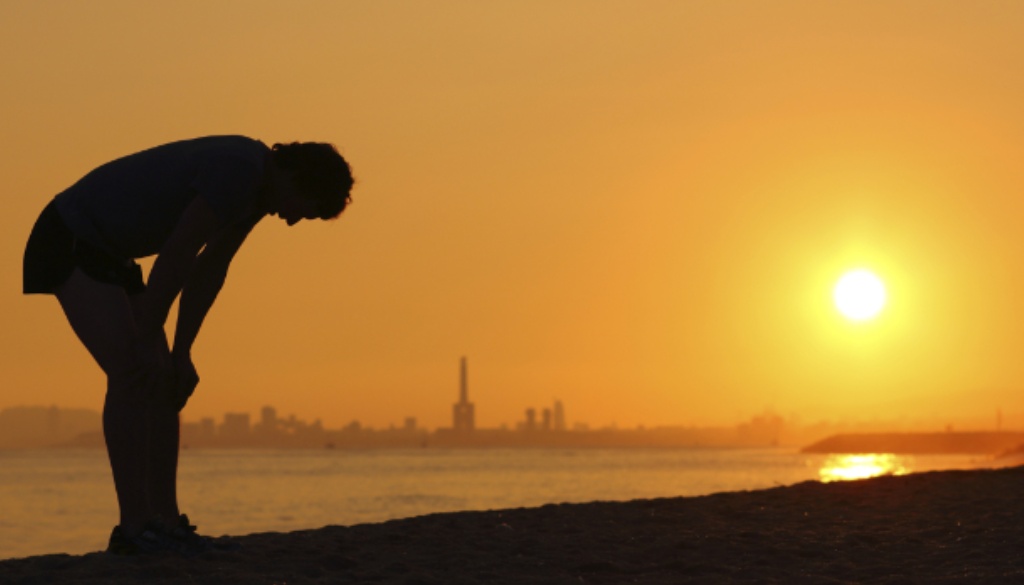
Pune, 15th April 2026: As daily temperature continue to rise across the Maharashtra, the state health department has recorded 15 heatstroke cases between March 1 and April 12 this year, including one from Pune. While no fatalities have been reported so far, health officials have raised concerns as temperatures continue to soar across the state.
Of the total cases, Ratnagiri accounted for six, followed by Palghar with two. The remaining cases were reported from Pune, Raigad, Nashik, Nandurbar, Jalgaon, Jalna and Gadchiroli, with one case each.
In Pune, the impact of the heatwave has been more visible in the rising number of heat-related illnesses. Civic health authorities said that in March alone, more than 600 residents sought treatment at municipal healthcare facilities for conditions linked to extreme heat.
Dr Vaishali Jadhav, assistant medical officer at the Pune Municipal Corporation (PMC), said a total of 654 patients were treated across 19 civic hospitals and 135 dispensaries during the month. These included 202 cases of heat exhaustion, 280 instances of dehydration, 114 patients with heat rash, 24 cases of heat cramps, 28 instances of heat edema (swelling), and six cases of heat syncope, which involves fainting or dizziness.
The city has been reeling under intense dry heat, with temperatures crossing the 40 degrees Celsius mark in several areas such as Lohegaon, Koregaon Park and Shivajinagar.
Across Maharashtra, the burden on the healthcare system has also increased significantly. Data shows that over 2.6 lakh people visited outpatient departments at primary health centres, as well as rural and district hospitals, during the same period.
Although no heatstroke-related deaths have been recorded, officials noted that 89 deaths due to cardiovascular diseases were reported during this time. Experts point out that there is growing evidence linking extreme heat conditions to increased daily mortality.
With temperatures expected to rise further to 41–42 degrees Celsius in the coming days, health experts have warned of prolonged thermal stress, especially as nighttime temperatures remain high and offer little relief.