DA Hike 2026: Centre Increases Dearness Allowance to 60%, 50 Lakh Employees to Benefit
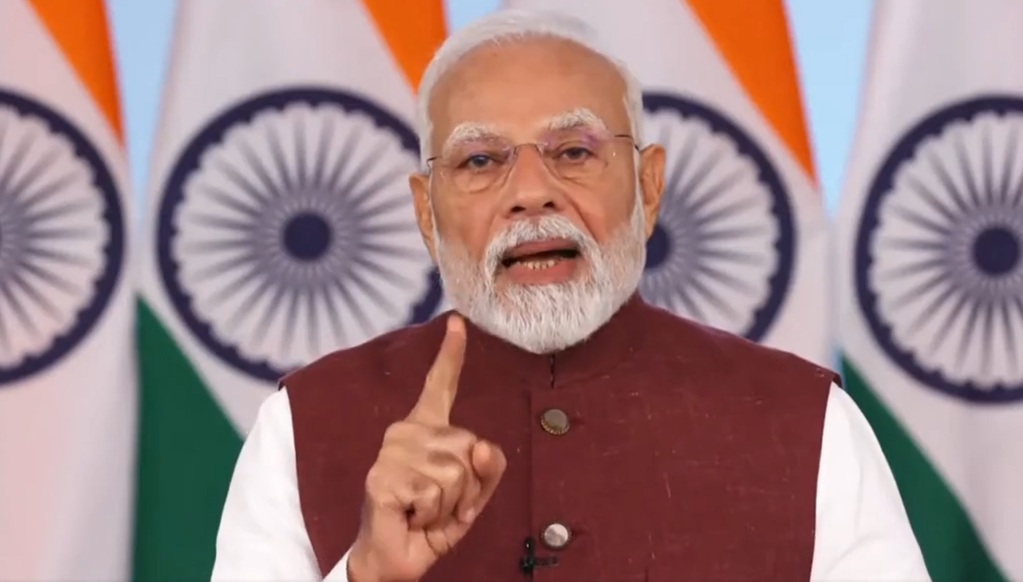
New Delhi, 18th April 2026: The Union Cabinet has approved a 2 percent increase in Dearness Allowance (DA) and Dearness Relief (DR) for central government employees and pensioners, raising the rate from 58 percent to 60 percent. The revised rates will be effective from January 1, 2026.
The decision, taken at a Cabinet meeting chaired by Prime Minister Narendra Modi in New Delhi on Saturday, is expected to benefit around 50.5 lakh employees and 68.3 lakh pensioners. The move will result in an additional annual financial burden of approximately Rs 6,791 crore on the exchequer.
This follows the previous revision in October 2025, when DA was increased from 55 percent to 58 percent with effect from July 1, 2025, and arrears were paid accordingly.
Dearness Allowance is a cost-of-living adjustment provided to government employees, calculated as a percentage of basic pay. It is aimed at offsetting the impact of inflation and ensuring that employees’ real income is protected. The government typically revises DA and DR twice a year, in January and July, leading to an increase in monthly salaries and pensions.
The latest hike comes amid growing demands from employee unions for significant changes under the proposed 8th Central Pay Commission. The National Council–Joint Consultative Machinery (NC-JCM) has sought a higher fitment factor of 3.83, which, if approved, could raise the minimum basic pay from Rs 18,000 to around Rs 69,000.
Employee organisations have also recommended including dependent parents in the definition of family for salary calculations and addressing existing pay anomalies. However, the government has not yet announced a timeline for the implementation of the 8th Pay Commission, though it is expected that full implementation could take place by 2028.
The fitment factor, a key component of pay revision, is a multiplier used to calculate the new basic salary by multiplying it with the current basic pay. It is determined by factoring in inflation and cost of living.
Until the new pay commission is implemented, DA will continue to be calculated as a percentage of basic pay and revised every six months. Once a new pay commission comes into effect, the existing DA is typically merged with the basic pay, resetting DA to zero before it gradually increases again over time.
The 8th Central Pay Commission is expected to revise salaries, pensions, and allowances of central government employees, taking into account inflation, employee needs, and the government’s financial capacity. The Centre had approved the terms of reference for the commission on October 28, 2025, and once constituted, it is expected to submit its recommendations within 18 months.
At present, DA stands at 60 percent of basic pay. While merging DA into basic pay may appear to reduce the visible component of allowances, the revised basic pay is expected to compensate for inflation adjustments.
The recommendations of central pay commissions generally benefit central government employees, defence personnel, railway staff, teachers in central institutions, employees of fully government-owned public sector undertakings, and pensioners. However, they do not directly apply to state government employees, public sector bank staff, RBI employees, or other regulatory bodies, as these entities follow separate mechanisms for pay revisions.
Historically, pay commissions are constituted every 10 years to review salary structures and pension systems. Based on this pattern, expectations are high that the 8th Pay Commission recommendations will be implemented in the coming years, with employees likely to receive arrears for the interim period once the new structure is enforced.