Why Is Everyone Talking About Lohagad Fort? The Historic Site at the Centre of a Murder Investigation
Reported by Priyanshu Banerjee
Lonavala, 23rd June 2026: For centuries, Lohagad Fort has stood atop the hills of Lonavala, witnessing the rise and fall of kingdoms. Today, however, the historic fort finds itself in the headlines for a very different reason. The alleged murder of Pune-based real estate director Ketan Agarwal (25), whose death was initially believed to be an accidental fall, has drawn fresh attention to one of Maharashtra’s most famous landmarks.
As investigators continue to piece together the circumstances surrounding the case, many people are asking a simple question: What is Lohagad Fort, and why does it remain so important even after hundreds of years?
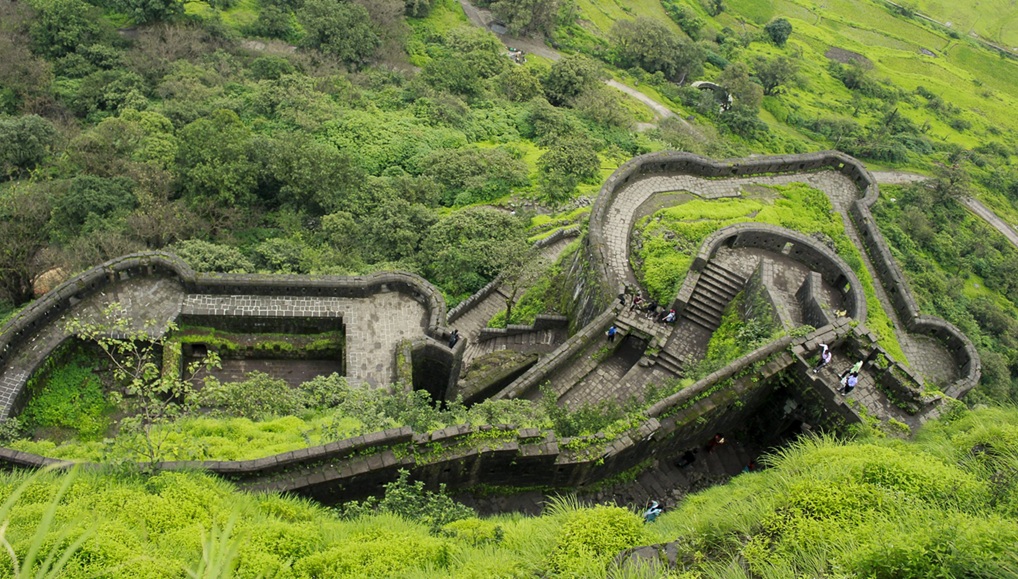
Located at an elevation of about 1,033 metres above sea level, Lohagad Fort is situated near Malavli village in Maval taluka, around 60 kilometres from Pune and a short distance from Lonavala. From its summit, visitors can enjoy panoramic views of rolling hills, deep valleys, and the waters of Pawna Lake. During the monsoon, clouds drift across the fort’s ancient walls, creating a picturesque landscape that attracts thousands of visitors every weekend.
However, Lohagad is much more than a trekking destination. Its history stretches back nearly a thousand years. The fort was controlled by several dynasties before becoming an important stronghold during the reign of Chhatrapati Shivaji Maharaj.
Key Historical Milestones
* 1648 – Captured by Chhatrapati Shivaji Maharaj due to its strategic location overlooking important trade routes between the Konkan coast and the Deccan region.
* 1665 – Transferred to Mughal control under the Treaty of Purandar.
* 1670 – Recaptured by Chhatrapati Shivaji Maharaj.
* Peshwa Era – Developed and strengthened under the administration of Nana Phadnavis.
* British Period – Came under British control.
One of the reasons Lohagad remained difficult to conquer was its robust design. Visitors entering the fort pass through four impressive gateways:
Ganesh Darwaza: This gateway welcomes visitors as they ascend the fort. Its sturdy stone construction reflects the religious influences often seen in Maratha-era architecture.
Narayan Darwaza: One of the best-preserved gateways of Lohagad Fort, it showcases the careful planning and defensive strategy incorporated into the fort’s design.
Hanuman Darwaza: This gateway stands as a reminder of the importance of faith and protection in historical forts. It also offers visitors a closer look at the fort’s defensive architecture.
Maha Darwaza: The grandest entrance to Lohagad Fort, featuring massive stone walls and imposing architecture. It served as the primary entry point and remains one of the fort’s most striking landmarks.
These gateways were strategically designed to slow down invading armies before they could reach the main fort area.
Standing opposite Lohagad is Visapur Fort. Together, the two forts formed an important defensive network during the Maratha era. Soldiers stationed at these forts could monitor movements through the surrounding valleys and send warnings in the event of enemy activity.
Today, Lohagad Fort is protected by the Archaeological Survey of India (ASI), which oversees its preservation and maintenance. The fort’s most recognisable feature is the Vinchukata, or “Scorpion’s Tail”—a long stone ridge extending from the main fort that offers spectacular views of the surrounding landscape.
The fort’s location also makes it a popular destination for visitors exploring nearby attractions such as Bhaja Caves, Karla Caves, Pawna Lake, and Lonavala. Travellers from Pune can reach the fort by road in approximately two hours or take a train to Malavli Railway Station before beginning the trek from Lohagadwadi village.
Although the route is considered suitable for beginners, recent events have highlighted the need for caution. Steep cliffs, slippery rocks, and poor visibility during heavy rainfall can pose serious risks, particularly during the monsoon season. Authorities regularly advise visitors to stay away from dangerous edges and follow safety guidelines while exploring the fort.
What makes Lohagad special is not only its rich history but also its ability to remain relevant through changing times. It has served as a military stronghold, a treasury, a symbol of Maratha power, and today, one of Maharashtra’s most visited heritage destinations.
The recent murder investigation has brought Lohagad back into public discussion, but long after the headlines fade, the fort will continue to stand over the Sahyadri hills as a silent witness to history.
(Priyanshu Banerjee is an intern with Punekar News and is currently based in Lonavala)