Pune: PCMC Plans Waste Processing Units in All 10 Wards After Moshi Tragedy
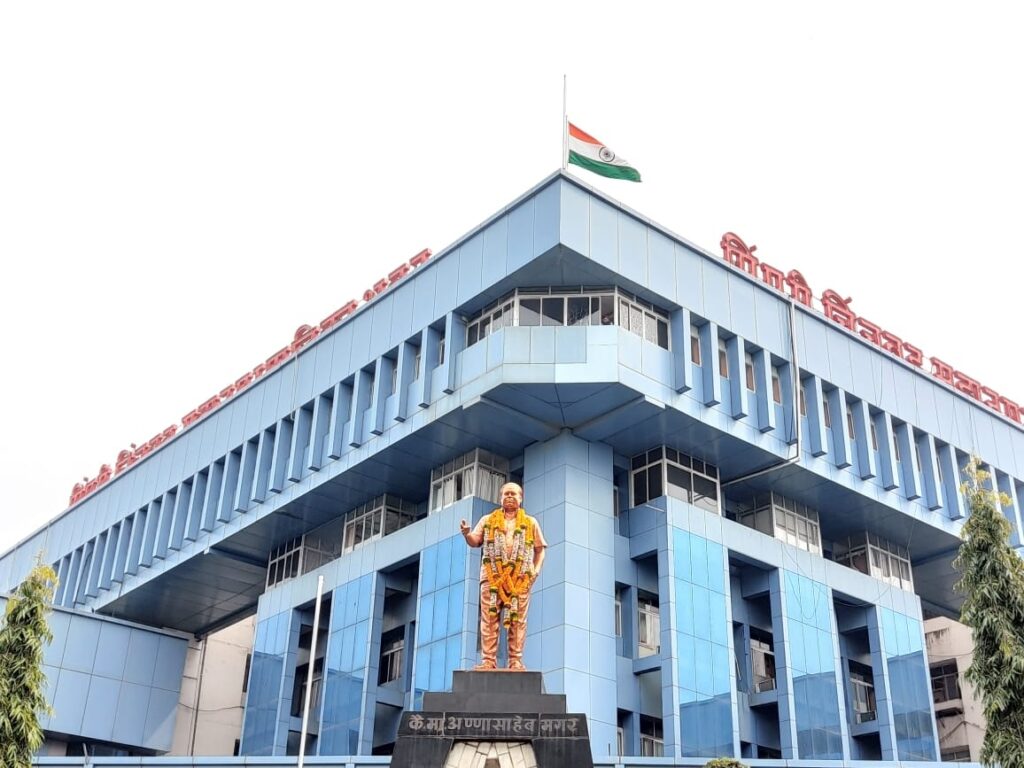
Pimpri Chinchwad, 15th July 2026: In the wake of the July 8 Moshi waste depot tragedy, Pimpri Chinchwad Municipal Commissioner Vijay Suryawanshi on Wednesday proposed setting up waste processing facilities in each of the civic body’s 10 ward offices as part of a decentralised solid waste management strategy, saying the city’s dependence on a single disposal site was no longer sustainable.
While speaking in the PCMC general body, Suryawanshi said the city, which generates around 1,500 metric tonnes of waste every day, cannot continue relying solely on the Moshi waste depot. He said the civic body would identify around 10 acres of land in each ward for scientific waste processing facilities, with the process of identifying suitable sites set to begin within a month in consultation with corporators.
The commissioner said the Moshi tragedy had exposed the limitations of the existing waste management system in one of the country’s fastest-growing cities. While the waste-to-energy (WTE) plant processes around 700 metric tonnes of waste daily, the remaining waste continues to accumulate as legacy waste in the landfill.

He said decentralisation would be backed by stricter enforcement of source segregation, which is essential for processing waste through modern technologies. According to him, at least 90 per cent segregation is required for efficient functioning of the WTE plant. Properly segregated dry waste can be converted into refuse-derived fuel (RDF), which industries such as cement manufacturers are willing to use.
Suryawanshi also proposed establishing Bio-CNG plants across the city, saying agencies such as MNGL and BPCL have expressed willingness to invest in such facilities, leaving the civic body to bear only transportation and collection costs. He said these plants would help process wet waste without causing foul odour.
The commissioner said detailed project reports for Bio-CNG plants and dry waste processing facilities would be prepared within the next six months. He also called for a zero-tolerance policy towards non-segregation of waste and strict enforcement of the Solid Waste Management Rules, which mandate bulk waste generators to process wet waste within their own premises.

Referring to the Moshi tragedy, Suryawanshi termed it one of the most unfortunate incidents in the civic body’s history. He said the municipal corporation had urged the private waste-to-energy plant operator to enhance compensation for the victims’ families. Apart from the civic body’s Rs 10 lakh compensation and the state government’s Rs 5 lakh assistance, the company has been asked to consider higher compensation, provide employment to one family member, support the education of the victims’ children and extend housing benefits.