Kanda Bhaji, Misal, and Chai : What Pune Actually Eats When It Rains And What You Should Know Before You Dig In
By Samiccha Malik
Pune, 13th August 2026: There is a very specific moment every Punekar knows. The sky goes dark somewhere around 4pm, the first drops hit the window, the temperature drops by five degrees, and before you’ve even consciously thought about it, your brain has already placed an order kanda bhaji. Hot. Crispy. With green chutney. And chai on the side.
This is not a craving. This is a Pune tradition.
This city has a relationship with monsoon food that goes beyond just eating. It is cultural, emotional, and deeply tied to what it means to live here. But behind all that joy and crunch and steam, there are some things worth knowing about what your body actually needs, what to enjoy freely, and what to be a little more careful about this season.
The Undisputed King: Kanda Bhaji
Let’s start where every honest Pune monsoon food conversation starts the kanda bhaji.
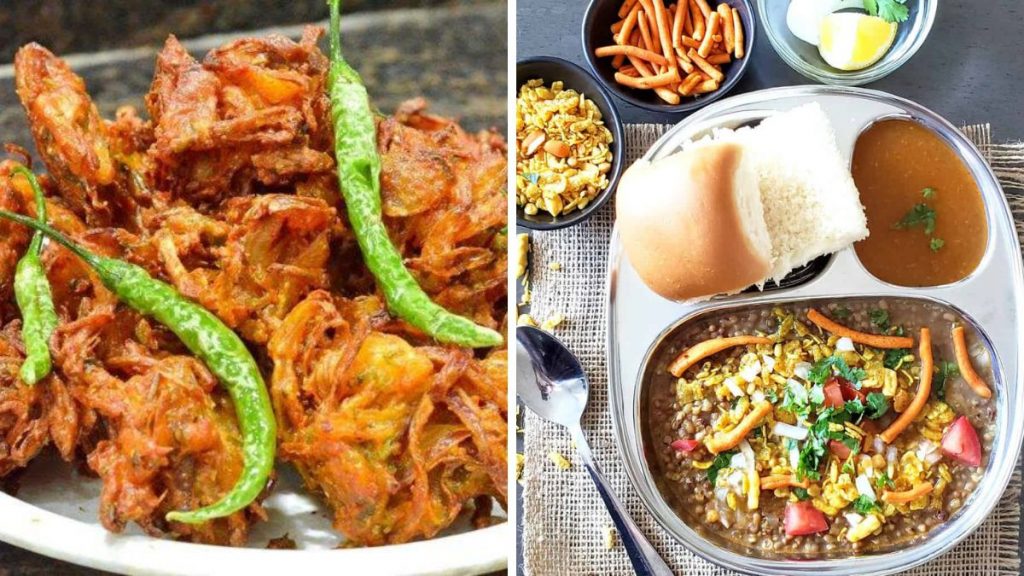
Golden, crispy onion fritters – kanda bhaji are the definitive rainy day food in Pune. Made by mixing sliced onions with gram flour and spices before deep frying, these crunchy bites are best enjoyed with chutney and a cup of hot chai.
You can find kanda bhaji at almost every street corner in Pune during the monsoon and legendary spots like S. Kumar Wadewale and Rohit Wadewale have been serving them for years. For the classic experience, Mahalaxmi Bhajiya Centre in Bhavani Peth and Diwakars on MG Road are two of the city’s most beloved spots for this monsoon staple.
The honest health note : kanda bhaji are deep fried, and your digestion during monsoon is already working at reduced capacity due to humidity. Enjoy them absolutely enjoy them but on days when the rain is manageable, not when the streets are flooded and the oil at the stall has been sitting out all day. Moderation and the right stall make all the difference.
Misal Pav : Pune’s Spicy, Sustaining Monsoon Breakfast
If kanda bhaji owns the evening, misal pav owns the morning.
Misal pav is a fiery Maharashtrian breakfast staple, a spicy curry of sprouted lentils topped with crunchy farsan chivda, chopped onions, coriander, and lemon wedges, served with soft pav. What makes it special is the multi-layer texture and the heat from the red, spicy tari, balanced by the cooling crunch of farsan.
The nutritional value of misal sprouted matki or moth beans, rich in protein and fibre actually makes it a genuinely good monsoon meal. It keeps you warm, sustains you through the morning, and the spices help with immunity during the season.
Pune’s best misal spots include Katakirr Misal, Shrimant Misal, Nisarg Misal House, Bhadait Misal, and the iconic Jogeshwari Misal each with their own version of the tari that loyal regulars will defend with great passion.
The innovative spin worth trying: Kanda Bhaji Misal crispy onion fritters dunked into hot, spicy tari, finished with lemon and chopped onions is one of Pune’s more unique monsoon inventions and genuinely worth seeking out.
Vada Pav : The Reliable Constant
No Pune monsoon food list is complete without the vada pav. It is not a seasonal food it is an all-year institution but something about rain makes it taste better.
Originally introduced as an affordable meal for workers, vada pav has become one of India’s most beloved street foods, especially comforting during rainy evenings paired with a hot cup of cutting chai.
Pune’s legendary vada pav spots include Garden Wada Pav Centre, Joshi Wadewale, S. Kumar Wadewale, and Goli Vada Pav No.1 all worth a visit on a grey, drizzly afternoon when you want something fast, filling, and deeply satisfying.
Sabudana Vada : The Underrated Monsoon Star
Sabudana vada crispy fried sago and potato patties served with spicy green chutney is crunchy on the outside, soft inside, and best suited for evenings and the rainy season.It is one of those Pune street foods that doesn’t always get the attention it deserves but is consistently one of the most satisfying monsoon snacks the city offers.
Bhutta : The Coal-Roasted Classic
Walk past any major Pune road junction during monsoon Sinhagad Road, FC Road, JM Road and you will find bhutta sellers, their coal grills smoking in the rain, a queue of people waiting despite the weather.
Corn roasted over coal with lemon and rock salt is one of the few monsoon street foods that is genuinely good for you. It is a solid source of Vitamin C and fibre exactly what your body needs to fight seasonal infections and it is one of the most purely enjoyable things you can eat on a rainy Pune evening.
Khichdi and Poha – The Home Heroes
Not everything monsoon and delicious has to come from a street stall. For the days when you’d rather stay in and there will be many of those this season two dishes deserve special mention.
Khichdi : warm, light, easy on the stomach, and genuinely sustaining. Add ghee and a side of kadhi and it is one of the most complete monsoon meals you can make at home in under 30 minutes.
Poha made with flattened rice tempered with mustard seeds, curry leaves, turmeric, and green chilies, garnished with sev, coriander, and a squeeze of lemon is a Pune breakfast staple that works beautifully on rainy mornings when you want something light, warm, and quick.
What to Be Careful About This Monsoon
Now for the honest part because enjoying Pune’s monsoon food well means knowing its limits.
Avoid street food during and immediately after heavy rain or red alerts. This is not about the food it is about the conditions. When roads are flooded, when stalls are sitting next to accumulated water, when supply chains for fresh ingredients are disrupted contamination risk spikes sharply. Your favourite bhaji stall on a normal drizzly evening is absolutely fine. The same stall surrounded by knee-deep water on a red alert day is a different story.
Raw and pre-cut foods carry higher risk in monsoon. The fruit plate at the shop, the cut salad at the counter, the sliced onions sitting out for hours in humidity all carry higher bacterial risk when the air is this wet and warm. Buy whole fruits, wash everything thoroughly, and eat fresh and cooked wherever possible.
Leafy greens need extra care. Coriander, spinach, methi wash thoroughly and cook fully. Never eat them raw during monsoon season.
Water is everything. Boiled or filtered water only no exceptions. This is the single most important thing you can do for your health this season, no matter what you eat.
The Pune Monsoon Food List – Quick Reference
Eat freely and happily: Misal pav from trusted spots, vada pav, kanda bhaji on normal rain days, bhutta, sabudana vada, poha, khichdi with ghee, ginger chai, turmeric milk at night.
Eat with awareness: Any street food during red alerts or heavy flooding wait for the rain to ease and the stalls to be in clean conditions.
Avoid: Pre-cut fruit, raw salads, uncooked leafy greens, cold drinks, anything near flooded drains or stalls sitting in waterlogged areas.
Drink only: Boiled or filtered water. Always.
The Bottom Line
Pune’s monsoon food culture is one of the most joyful things about living in this city. The smell of kanda bhaji frying somewhere nearby, the sound of rain on a tin roof, a hot cup of chai in both hands there are few better combinations anywhere in the world.
Eat it all. Enjoy every bite of it. Just know where you’re eating from, what conditions the stall is in, and what your body actually needs alongside the indulgence. The monsoon is long, the food is glorious, and there is no reason you cannot have both the crunch and the health at the same time.