Pune: Nearly 1,000 Trees Being Removed at Katraj Ghat, Raising Concerns Over Green Cover and Wildlife Habitat
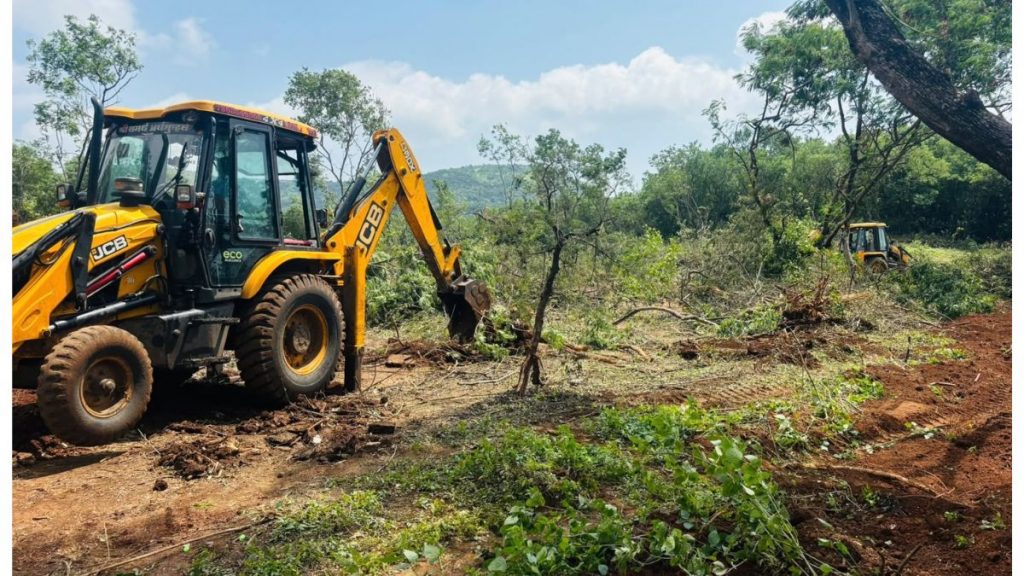
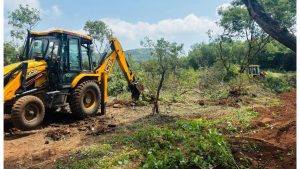
Katraj, 28th September 2026: Nearly 1,000 trees are being removed from around three acres of Forest Department land at Katraj Ghat, prompting concerns among environmentalists over the loss of established green cover and its potential impact on local wildlife habitat.
The Forest Department has said the trees being removed are non-native species and that the area will be replanted with native species. Environmentalists, however, have questioned the decision to remove established trees instead of retaining the existing green cover.
Katraj Ghat is an important green belt around Pune and supports a variety of birds, reptiles and small animals. Environmentalists have expressed concern that the removal of a large number of trees could affect the habitat of these species.
Vikrant Singh, founder of the Katraj Ghat Cleanliness Campaign, questioned the basis for the Forest Department’s decision to remove the trees. He also sought clarity on whether an assessment of the potential impact on birds and other wildlife was conducted before the work began.
“The removal of trees in the name of development or changing species could itself lead to destruction of the habitat. The Forest Department needs to explain how this fits into its conservation approach. A similar experiment at Taljai Hill has not yielded the expected results, despite work continuing there for four years,” Singh said.
Environmental activist and Janhit Foundation member Advocate Dilip Jagtap said the situation was linked to earlier policies of the Forest Department.
“Instead of planting native species in vacant areas, removing old trees and planting saplings at the same spot shows a contradiction in the department’s approach,” he said.
The Forest Department, however, has defended the removal. Nandkishor Patil, Forest Range Officer, Haveli Division, said the trees had been planted several years ago during a drought because they could survive with minimal water.
“These trees continue to survive even in poor conditions. Grass does not grow under their shade and they also affect small animals such as rats. Therefore, they are being removed,” Patil said.
Patil added that the department plans to plant 30,000 native trees in the area. He said the number of trees removed and replaced would depend on the funds allocated for the plantation programme.