Pune-Supaul, Jhelum Express Among 11 Trains Under Special Cleanliness Watch; DRMs to Monitor Every Journey
Reported by Amit Singh
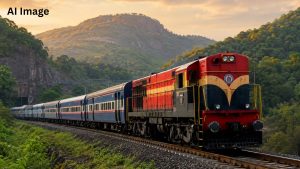
Pune, 6th October 2026: The Pune–Supaul Express and Pune–Jammu Tawi Jhelum Express are among 11 long-distance trains identified by the Railway Board for enhanced monitoring of cleanliness, housekeeping, toilets, waste management and minor passenger amenities during their journeys.
The Railway Board has directed Divisional Railway Managers (DRMs) to closely monitor the performance of these long-distance trains and ensure that cleanliness and serviceability are maintained continuously from the originating station to the destination.
The 11401/11402 Pune–Supaul Express covers 1,998 km with a turnaround time of 103 hours, while the 11077/11078 Jhelum Express between Pune and Jammu Tawi covers 2,173 km with a turnaround time of 94 hours. Both services have been included in the list of trains requiring enhanced attention during their operation.
The other trains identified for enhanced monitoring are the 22503/22504 Vivek Express between Dibrugarh and Kanniyakumari, 15909/15910 Awadh Assam Express between Dibrugarh and Lalgarh, 01665/01666 Rani Kamalapati–Agartala Express, 19483/19484 Ahmedabad–Saharsa Express, 22365/22366 Danapur–SMVT Bengaluru Express, 15707/15708 Amrapali Express between Katihar and Amritsar, 13201/13202 Rajgir–Lokmanya Tilak Terminus Express, 22831/22832 Howrah–Yesvantpur Express and 12203/12204 Amritsar–Saharsa Garib Rath.
The Vivek Express has the longest route among the identified trains, covering 4,158 km with a turnaround time of 170 hours. The Awadh Assam Express covers 3,117 km with a 148-hour turnaround, while the Rani Kamalapati–Agartala service covers 2,490 km with a 121-hour turnaround.
DRM monitoring and weekly review
Under the directions, the owning depots will monitor the identified trains during their journeys. Maintenance supervisors and Chief Depot Officers will be responsible for the upkeep of the trains, while zonal officers will conduct weekly reviews of cleanliness, passenger complaints and their redressal.
DRMs have also been tasked with monitoring the performance of long-distance trains and ensuring that nominated en-route points are properly manned and inspected.
The Railway Board has directed divisions to identify recurring passenger complaints and their root causes and take corrective action rather than addressing only individual complaints.
Toilets, waste collection and housekeeping
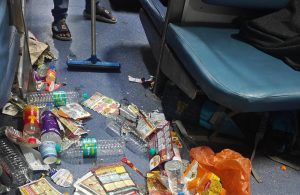
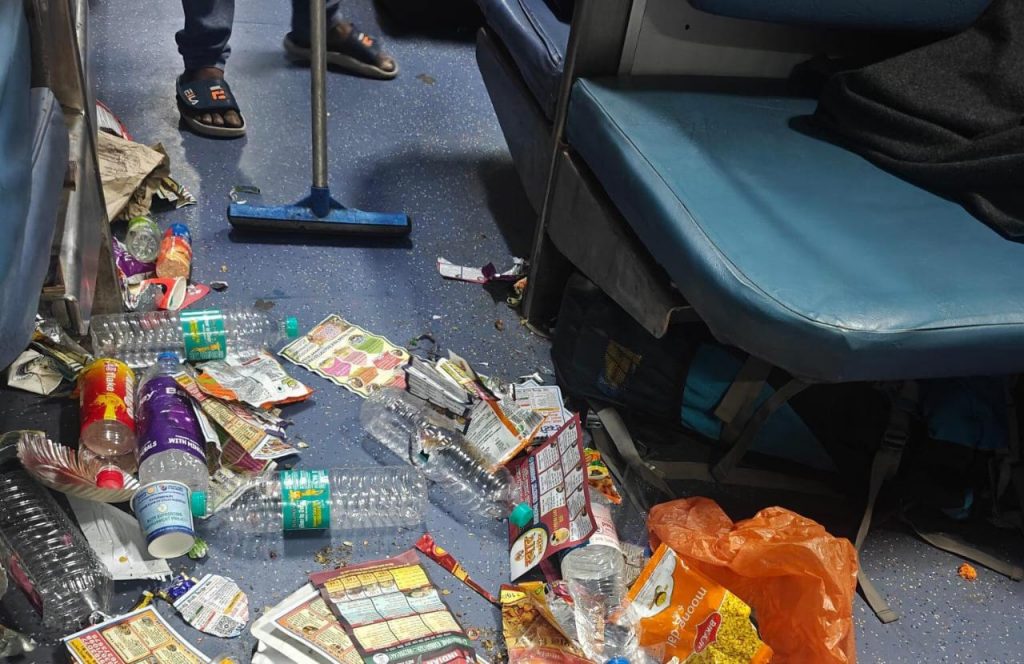
Housekeeping, toilet cleanliness, waste management and minor coach-related amenities are to be attended to promptly during the journey. The instructions emphasise that cleanliness standards should be sustained throughout the journey rather than being limited to the originating or terminating station.
Bio-toilets are to be checked at the originating or base station as well as at en-route locations.
OBHS staff have been directed to collect garbage from all coaches at intervals of two hours, including General Seating and General Second Class coaches. The collected waste is to be handed over at nominated disposal or Clean Train Station (CTS) points.
The performance of agencies providing On-Board Housekeeping Services (OBHS) will also be monitored. Details of OBHS services available through the CMM portal are to be integrated with Rail Madad, while key performance indicators will be used to assess depot supervisors and officers.
Clean Train Stations to support en-route upkeep
The Railway Board has stressed the need for adequate manpower, consumables and equipment at Clean Train Station points. The owning division will be responsible for ensuring the effectiveness of these arrangements.
For minor defects noticed during the journey, OBHS personnel are to be trained to undertake petty repairs. CTS points may also provide minor maintenance support, while dedicated plumbing, electrical and other maintenance teams may be deployed wherever required.
Any deficiency requiring attention at a CTS point is to be communicated to the concerned station or team before the train arrives, enabling corrective action within the available time.
Time-stamped photographs and rake inspection
As part of the monitoring mechanism, time-stamped photographs of coaches and toilets are to be taken at nominated en-route points as well as at originating and destination stations.
The instructions also provide for spare rakes to be made available for intensive cleaning wherever required. Rakes with deficiencies are not to be placed into service until the required issues are addressed.
The Railway Board has also emphasised passenger awareness and regular training of OBHS staff in housekeeping duties, passenger etiquette and appropriate behaviour while attending to passengers.
The 11 identified trains may subsequently be brought under the New OBHS scheme, with additional long-distance trains likely to be added to the enhanced monitoring framework in the future.