15,581 Images, 51 Species: Camera-Trap Survey Capture Rich Wildlife Diversity Around Pune’s Maval’s Summer Water Sources
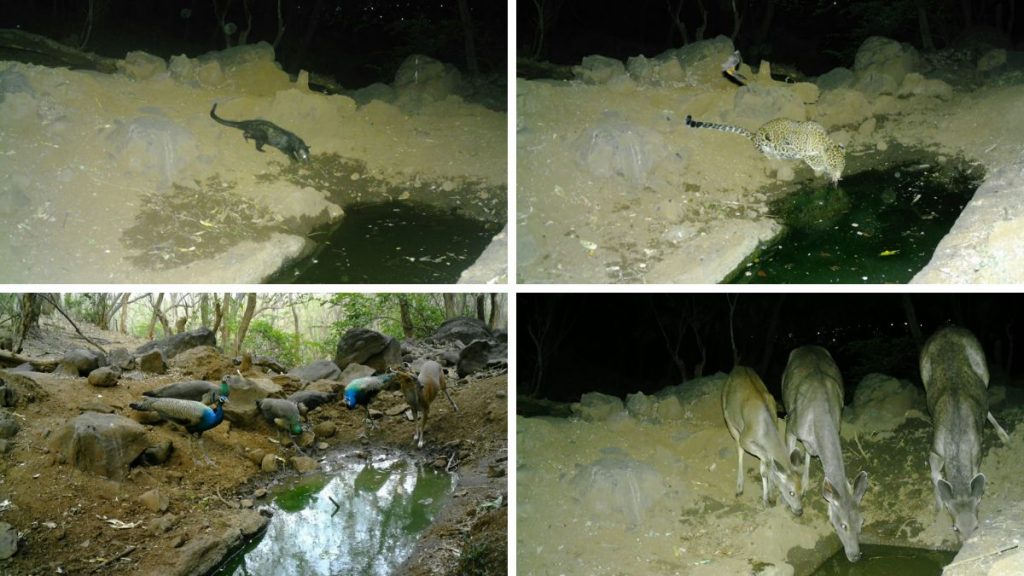
Pune, 12th October 2026: A two-month camera-trapping survey across eight villages in the Vadgaon Maval forest range has recorded 51 wildlife species, including leopards, striped hyenas and the elusive rusty-spotted cat, highlighting the importance of natural water sources during the summer months.
Conducted in April and May 2026 by the Vadgaon Maval Range Forest Office Prakash Shinde under the Pune Forest Division, the survey generated 15,581 photographic records of 17 mammal and 34 bird species at natural water bodies.
The survey recorded several species listed under Schedule I of the Wildlife (Protection) Act, including the Indian leopard, striped hyena, jungle cat, Asian palm civet, small Indian civet and greater false vampire bat. The near-threatened rusty-spotted cat, one of the smallest wild cat species, was also documented.
Chikhalse village emerged as the most biodiverse location among those surveyed, with 28 species recorded. The findings provide a baseline for future conservation planning, including the protection of water sources and wildlife corridors.
The survey also highlighted how wildlife and local communities share these water bodies. While residents and livestock used the sources during the day, wild animals largely accessed them at night, indicating a degree of temporal separation that allows them to coexist.
Forest officials said the findings underline the need to protect natural water bodies and maintain forest corridors amid increasing human pressures on wildlife habitats. The data could also help authorities plan anti-poaching patrols and identify areas requiring focused conservation efforts.
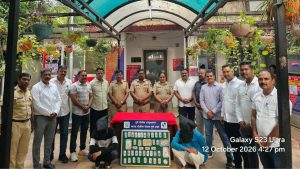
The survey was conducted under the guidance of senior forest officials, including Conservator of Forests Ashish Thakare, Deputy Conservator of Forests Abhijit Waykos and Assistant Conservator of Forests Mangesh Tate. The research team was led by principal investigator Jigar Solanki, along with field biologists Rounak Khare and Shraddha Khare, ecologists Sagar Mahajan and Priyanka Jundare, and field assistants. The Wildlife Rescuer of Maval team also assisted in the exercise.
Range Forest Officer Prakash Shinde said the findings would help strengthen long-term conservation planning and the protection of critical wildlife habitats across Maval.