Pune: IIT Madras Delivers 24 Indigenous Wheelchairs to Artificial Limb Centre and Command Hospital
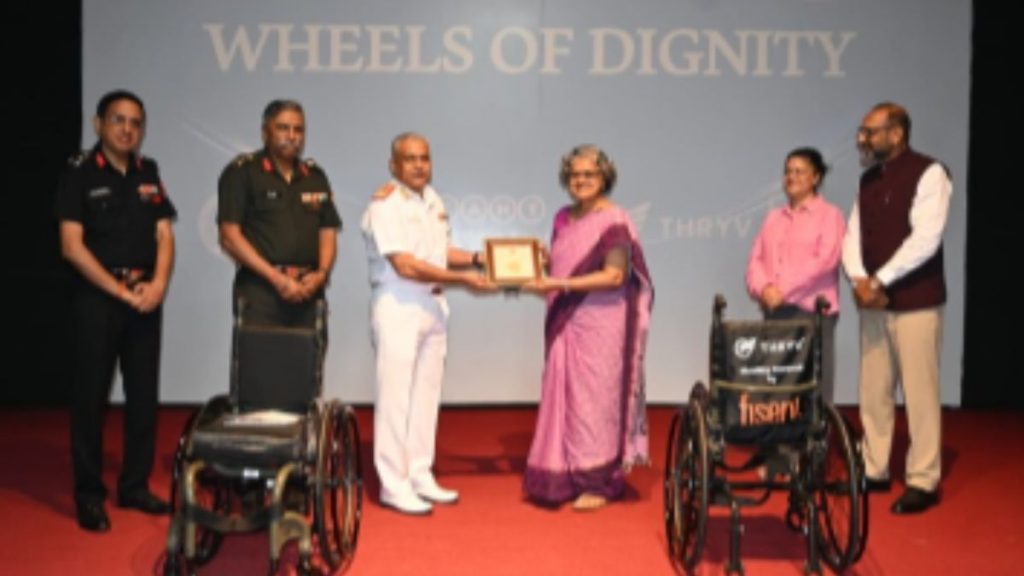
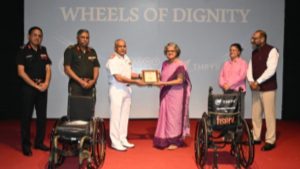
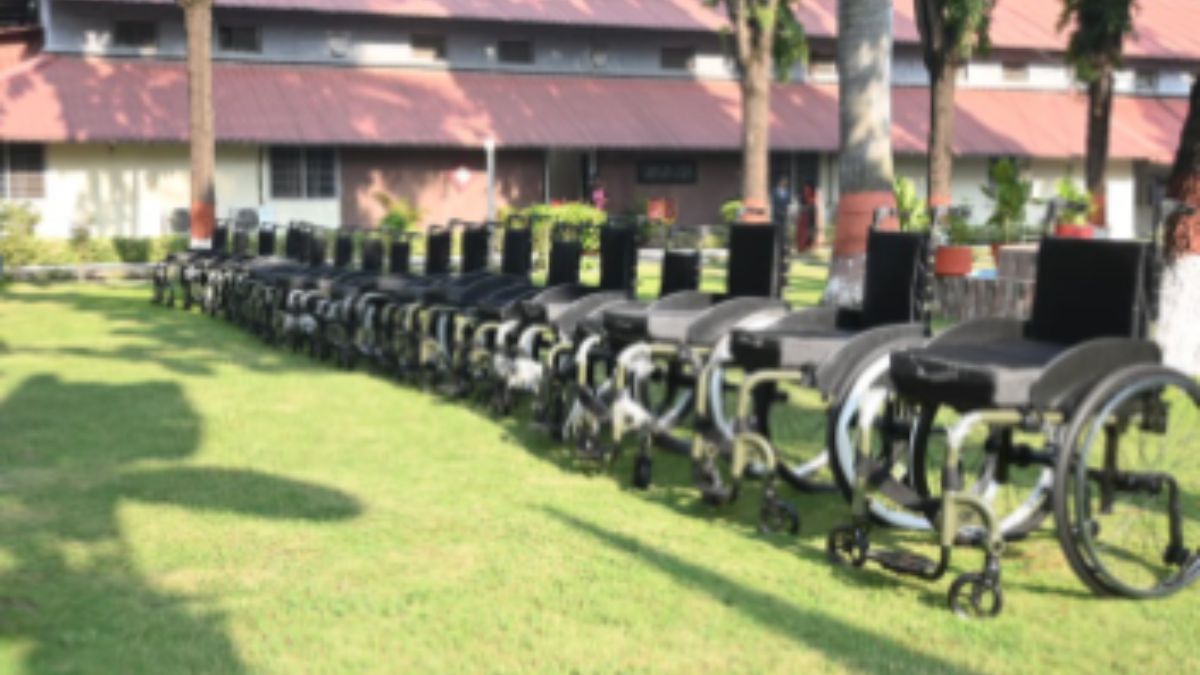
Pune, 16th October 2026: The Indian Institute of Technology Madras (IIT Madras) has handed over 24 indigenously developed YD One active wheelchairs to the Artificial Limb Centre (ALC) and Command Hospital (Southern Command) in Pune, taking the total number of wheelchairs delivered under a 100-wheelchair programme to 49.
The initiative is supported by financial technology company Fiserv through its Corporate Social Responsibility (CSR) programme and aims to improve access to independent mobility solutions for Armed Forces personnel undergoing rehabilitation.
The latest handover follows the delivery of the first batch of 25 wheelchairs to Army Hospital (Research & Referral) in New Delhi in June 2026. The programme aims to deploy 100 wheelchairs across rehabilitation facilities serving members of the Armed Forces community.
The handover ceremony was attended by Surgeon Vice Admiral Dilip Raghavan, VSM, Director General of Health Services (Armed Forces); Major General Radhakrishnan S, MG (Medical), Southern Command; Brigadier CN Satish, Commandant, Artificial Limb Centre, Pune; and Brigadier K Venkatnarayan, Deputy Commandant, Command Hospital (Southern Command), Pune, among other senior Army officials.
Brigadier Satish played a key role in facilitating the induction and handover of the wheelchairs to the Armed Forces.
Indigenous wheelchair designed for independent mobility
The YD One is an ultra-lightweight active manual wheelchair developed at IIT Madras’s TTK Centre for Rehabilitation Research and Device Development (R2D2). It is manufactured by Thryv Mobility, an assistive technology company incubated at IIT Madras.
Unlike conventional institutional wheelchairs, which may require assistance from an attendant, the YD One is designed to enable users to propel themselves independently.
The wheelchair was developed with inputs from wheelchair users and is intended to make active mobility an integral part of rehabilitation. According to the programme organisers, access to suitable mobility devices, along with appropriate training, can help people with mobility impairments improve their independence and participation in everyday activities.
The deployment at ALC Pune is expected to support rehabilitation services for serving personnel, veterans and other eligible beneficiaries.
Wheelchair is a means to dignity and inclusion: ALC Commandant
Brigadier CN Satish, Commandant of the Artificial Limb Centre, Pune, said mobility devices could play an important role in enabling people with disabilities to live independently.
“A wheelchair is much more than a mobility aid; it is a means to freedom, independence, dignity and inclusion,” Satish said.
He added that user-centric assistive technologies could help people with disabilities pursue their ambitions, access opportunities and participate more fully in society.
“Our collective responsibility is to ensure that everyone has access to the right mobility solutions and the support they need to live life on their own terms,” he said.
IIT Madras, Fiserv and Thryv Mobility collaborate
Prof. Sujatha Srinivasan, head of the TTK Centre for Rehabilitation Research and Device Development and the National Centre for Assistive Health Technologies at IIT Madras, said the wheelchair reflected the institute’s approach of combining engineering research with the needs of users.
She said the right mobility device, supported by appropriate training, could make a meaningful difference to an individual’s independence. She also acknowledged Fiserv’s CSR support and the Armed Forces’ partnership in bringing indigenous assistive technologies to personnel who have served the country.
Roopa Bharvani, Vice President and HR Head at Fiserv, said the company’s partnership with IIT Madras and the Armed Forces Medical Services was aimed at using technology and innovation to support mobility and independence within the Armed Forces community.
Rear Admiral Deepak Bansal, Head of Strategic Partnerships at Thryv Mobility and Professor of Practice at IIT Madras, said the initiative brought research and innovation closer to people who need assistive technologies.
He said the programme’s success should be measured not only by the number of wheelchairs delivered but also by the difference they make in the lives of people with mobility impairments.
About the YD One wheelchair
The YD One is an indigenous active manual wheelchair designed to provide users with greater control over their mobility. Developed at IIT Madras’s TTK R2D2 Centre, it has undergone internal fatigue and durability testing aligned with ISO 7176 protocols, according to the information provided by the developers.
Thryv Mobility, which manufactures the wheelchair, is an IIT Madras-incubated assistive technology company developing mobility solutions for wheelchair users. The company says its products are being deployed in India, with international expansion under development in East Africa and the Middle East.
Established on May 19, 1944, the Artificial Limb Centre in Pune is a tri-services institution of the Armed Forces Medical Services specialising in prosthetic care and rehabilitation. It provides artificial limbs and rehabilitation services to serving Armed Forces personnel, ex-servicemen, their families and civilians.
The programme brings together IIT Madras’s assistive technology research, Fiserv’s CSR funding, Thryv Mobility’s manufacturing capabilities and the Armed Forces’ rehabilitation infrastructure to expand access to indigenous mobility solutions.