Pune: Residents Oppose PCMC’s Proposed Waste-to-Energy Plant in Ravet
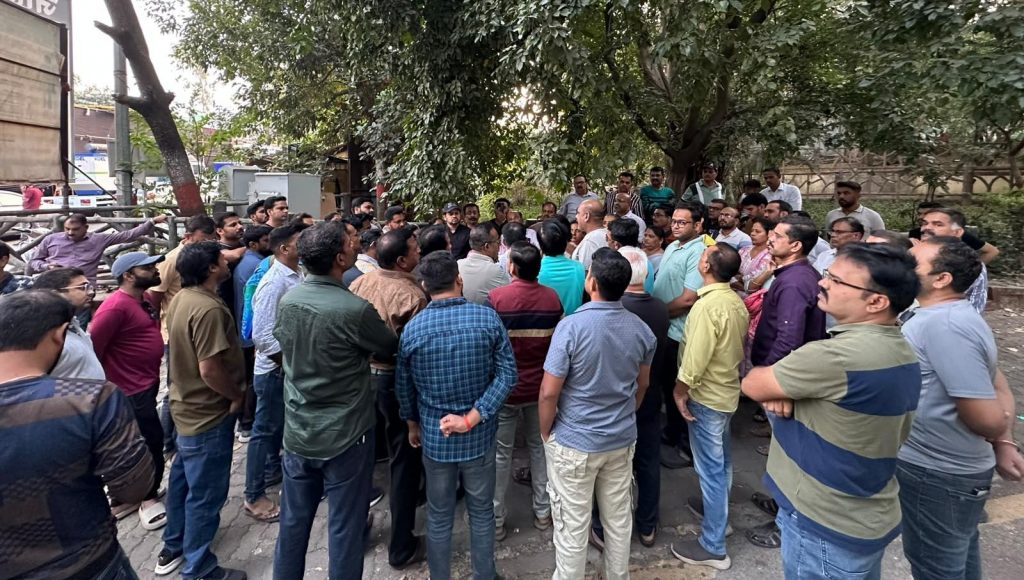
Pune, 19th October 2026: Residents and environmentalists have opposed the Pimpri Chinchwad Municipal Corporation’s (PCMC) move to set up a waste-to-energy plant on around 25 acres of MIDC land in Ravet, alleging that the civic body is proceeding with the proposal without taking local residents into confidence.
The opposition has intensified after residents learnt that the civic body had sought the land from the state government. Locals are now considering launching a protest against the proposed acquisition and project.
Residents have argued that the site, located near the Ravet water treatment plant and close to the Pradhikaran area and densely populated residential neighbourhoods, is unsuitable for a waste-processing facility. They have demanded that the civic body explore an alternative location or address the shortcomings in the proposed project at Moshi and ensure proper planning there.
Ravet has emerged as a major residential hub over the past few years, with several large housing societies, schools, colleges and hospitals in the vicinity. Residents have also pointed out that the land near the Ravet weir could be useful for expanding the city’s water supply infrastructure in the future. Using it for a waste-processing plant, they said, could create land constraints for future development.
Environmental concerns have also been raised over the potential loss of tree cover and the impact on the habitat of birds, animals and plant species in the area. Residents fear that the project could affect the environment around Durga Hill, a popular spot used by thousands of people for morning walks.
Locals have further expressed concerns about potential risks to water resources and environmental safety. The proposed site falls within a red zone and is located close to an ordnance factory. High-voltage electricity transmission lines also pass through the area, they said.
Residents fear that setting up the plant close to Pradhikaran and residential societies in Ravet could have adverse environmental and public health implications.