Pune: CM Asks Officials to Explore Dedicated Dam for Pune’s Future Water Needs
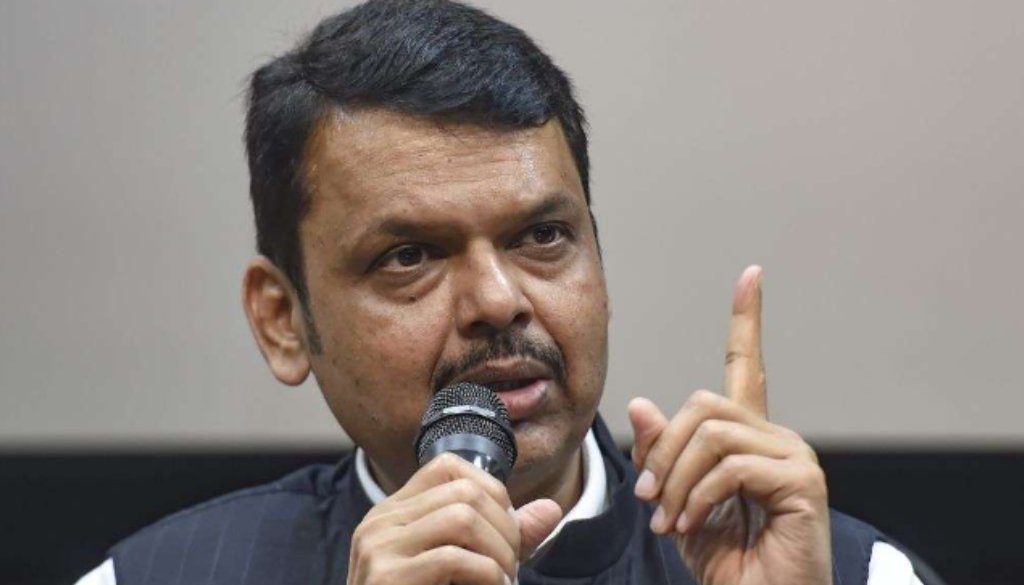
Pune, 21st November 2026: Pune could get a dedicated dam to meet its growing drinking water requirements, with Chief Minister Devendra Fadnavis on Friday directing officials to conduct a detailed feasibility study and submit a proposal for the project.
The directive came during a high-level meeting in Mumbai to review long-term water planning for the Pune Metropolitan Region. The proposal, which could see the Pune Municipal Corporation (PMC) and Pune Metropolitan Region Development Authority (PMRDA) jointly bear the project cost, was first reported by Civic Mirror.
According to senior district administration officials, a site in Velhe taluka has been tentatively identified for the proposed dam following a search conducted over the past six months. A detailed survey of the location is expected to begin soon.
The meeting, chaired by Fadnavis at his official residence Varsha, also discussed securing 8 TMC of water from the Mulshi (Tata) dam to address shortages in Hinjewadi, Maan, Marunji and five other villages. Officials have been asked to examine the technical and financial feasibility of bringing the water through a pipeline to the Khadakwasla area.
The chief minister directed officials to prepare an integrated, time-bound and financially viable water management plan, keeping in mind population growth, rapid urbanisation and rising industrial demand, including that from data centres.
According to PMRDA’s presentation, the Pune Metropolitan Region currently has a population of around 1.8 crore, which is projected to rise to 4.12 crore by 2047. While the region has a water allocation of 36.90 TMC, its current demand stands at 41.65 TMC. The demand is expected to touch nearly 100 TMC, or 7,816 million litres per day, by 2047.
Fadnavis also stressed the need to reduce dependence on freshwater by increasing the reuse of treated sewage. Tertiary-treated water should be supplied to industries, power plants and data centres, while secondary-treated water should be used for irrigation.
Other measures include reducing water leakage, expanding 24-hour water supply schemes, installing smart meters and repairing ageing pipelines. These interventions could help save around 350 million litres of water per day, he said.