Pune: Fines Revised: PMC Implements Rs 500 Penalty for Littering in Public Spaces
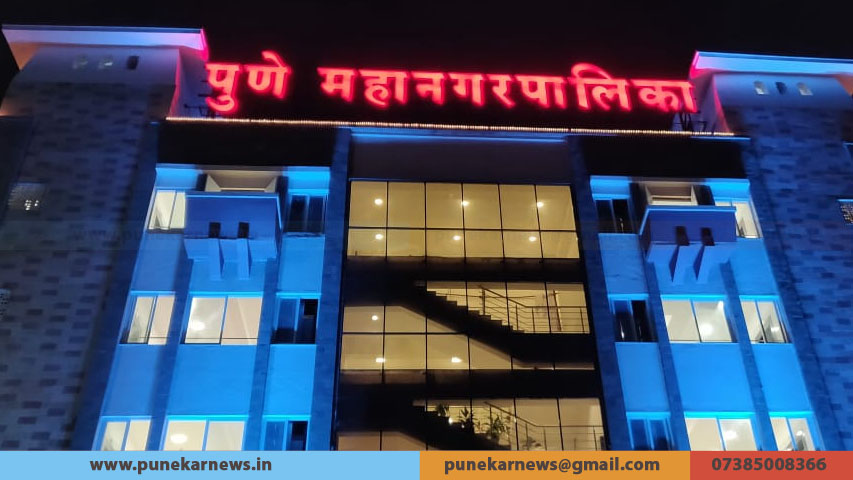
Pune, 1st February 2024: In a bid to combat the prevalent issue of littering in public spaces, footpaths, and roads, the Standing Committee of the Solid Waste Management Department at the Pune Municipal Corporation (PMC) has approved a substantial increase in fines. Effective immediately, individuals caught littering will face a penalty of Rs 500, replacing the earlier fine of Rs 180. This decision comes as part of a broader strategy to curb littering and promote cleanliness within the city.
The PMC’s solid waste management department initiated the proposal to escalate fines for those disregarding waste disposal norms. The proposition received approval in a Standing Committee meeting chaired by PMC Commissioner and Administrator Vikram Kumar. The increased penalty aims to serve as a deterrent, discouraging citizens from engaging in open littering practices.
Under the previous regulations, a Rs 180 fine was imposed on individuals found littering in public places, spitting, non-segregation of waste, burning of waste, use of plastic bags, and non-operation of bulk waste systems for wet waste disposal. Despite the existing penalty, there was a noticeable rise in instances of littering, with citizens often evading consequences by paying the nominal fine.

The PMC administration asserts that the upward revision of the fine amount is a proactive measure to address this concern. Sandeep Kadam, Head of the Solid Waste Management Department, believes that the increased penalty will act as a more effective deterrent, ultimately contributing to the improvement of the city’s cleanliness standards.
However, some sceptics argue that the marginal increment in the fine may not be sufficient to significantly alter the behaviour of those prone to improper waste disposal. Despite the adjustment, concerns linger about the overall impact of reducing open littering, suggesting that more comprehensive measures may be necessary to bring about a transformative change in the city’s cleanliness landscape.