Maharashtra: Portfolio Allocation Finalized for Mahayuti Cabinet; Internal Rivalries Addressed
Reported by Mubarak Ansari
Mumbai, 21st December 2024: The much-anticipated portfolio allocation for the Maharashtra state cabinet was finalized and approved by the Governor on the concluding day of the special session in Nagpur. The distribution resolves long-standing issues and allocates responsibilities to leaders from the BJP, Shiv Sena (Shinde faction), and the NCP (Ajit Pawar group).
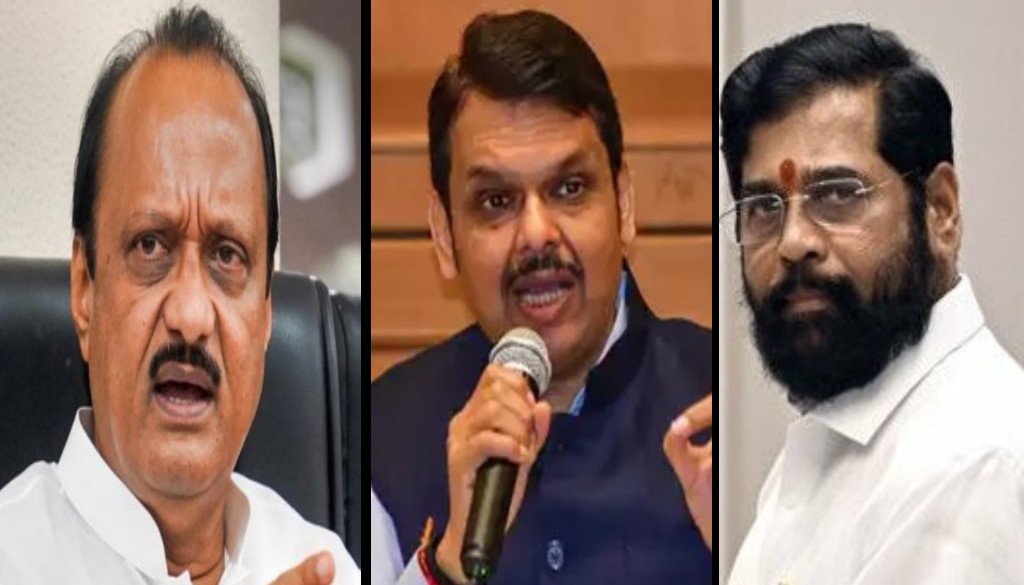
The BJP has secured influential portfolios, including Home, Energy, and Revenue, as per its demand. Chief Minister Eknath Shinde of the Shiv Sena retained the Urban Development Ministry, fulfilling his request, while Deputy Chief Minister Ajit Pawar of the NCP was given charge of Finance and Planning along with the State Excise Department. However, BJP leader Pankaja Munde, considered an internal competitor to Deputy Chief Minister Devendra Fadnavis, received less significant portfolios, namely Environment and Climate Change and Animal Husbandry, thereby diminishing her influence.
Ministerial Allocations
- Devendra Fadnavis (BJP): Home, Energy, General Administration, Law and Justice
- Eknath Shinde (Shiv Sena): Urban Development, Housing
- Ajit Pawar (NCP): Finance and Planning, State Excise Department
- Chandrashekhar Bawankule (BJP): Revenue
- Radhakrishna Vikhe Patil (BJP): Water Conservation (Godavari and Krishna Basin Development)
- Hasan Mushrif (NCP): Medical Education
- Chandrakant Patil (BJP): Higher and Technical Education, Parliamentary Affairs
- Girish Mahajan (BJP): Water Conservation (Vidarbha, Tapi, Konkan Development), Disaster Management
- Gulabrao Patil (Shiv Sena): Water Supply
- Ganesh Naik (BJP): Forest
- Dadaji Bhuse (Shiv Sena): School Education
- Sanjay Rathod (Shiv Sena): Soil and Water Testing
- Dhananjay Munde (NCP): Food and Civil Supplies and Consumer Protection
- Mangalprabhat Lodha (BJP): Skill Development, Employment, Industry and Research
- Uday Samant (Shiv Sena): Industry and Marathi Language
- Jayakumar Rawal (BJP): Marketing, Protocol
- Pankaja Munde (BJP): Environment and Climate Change, Animal Husbandry
- Atul Save (BJP): OBC Development, Dairy Development
- Ashok Uike (BJP): Tribal Development Ministry
- Shambhuraj Desai (Shiv Sena): Tourism, Mines and Freedom Fighters Welfare
- Ashish Shelar (BJP): Information and Technology
- Dattatray Bharane (NCP): Sports and Minority Development and Auqaf
- Aditi Tatkare (NCP): Women and Child Development
- Shivendraraje Bhosale (Shiv Sena): Public Works
- Manikrao Kokate (NCP): Agriculture
- Jayakumar Gore (BJP): Rural Development, Panchayat Raj
- Narahari Jirwal (NCP): Food and Drug Administration
- Sanjay Savkare (BJP): Textiles
- Sanjay Shirsat (Shiv Sena): Social Justice
- Pratap Sarnaik (Shiv Sena): Transport
- Bharat Gogavale (Shiv Sena): Employment Guarantee, Horticulture
- Makarand Patil (BJP): Relief and Rehabilitation
- Nitesh Rane (BJP): Fisheries and Ports
- Akash Fundkar (BJP): Labour
- Babasaheb Patil (BJP): Cooperatives
- Prakash Abitkar (Shiv Sena): Public Health and Family Welfare
Ministers of State
- Madhuri Misal (BJP): Social Justice, Minority Development and Auqaf, Medical Education
- Ashish Jaiswal (BJP): Finance and Planning, Law and Justice
- Meghna Bordikar (Shiv Sena): Public Health, Family Welfare, Water Supply
- Indranil Naik (BJP): Higher and Technical Education, Tribal Development, Tourism
- Yogesh Kadam (Shiv Sena): Home (Urban), Rural Development & Panchayati Raj, Food Civil Supplies and Consumer Protection, Food and Drug Administration
- Pankaj Bhoyar (Shiv Sena): Housing, Home (Rural), School education, Cooperation, Mining
Key Observations
The BJP’s dominance is evident in the allocation of powerful portfolios such as Home, Energy, and Revenue. Eknath Shinde’s Shiv Sena retained control over Urban Development and other crucial urban portfolios, maintaining his hold over Mumbai and its suburbs. Ajit Pawar of the NCP has been entrusted with the Finance Ministry, showcasing the importance of his faction within the Mahayuti.
The allocation attempts to ensure a balance of power between coalition partners while addressing internal competition and political dynamics. This strategic distribution is expected to strengthen the functioning of the government amidst challenges from opposition parties and coalition pressures.