With ‘Gyanba-Tukaram’ Echoing, Warkaris March Ahead from Pune to Pandharpur
Reported by Kajal Bhukan
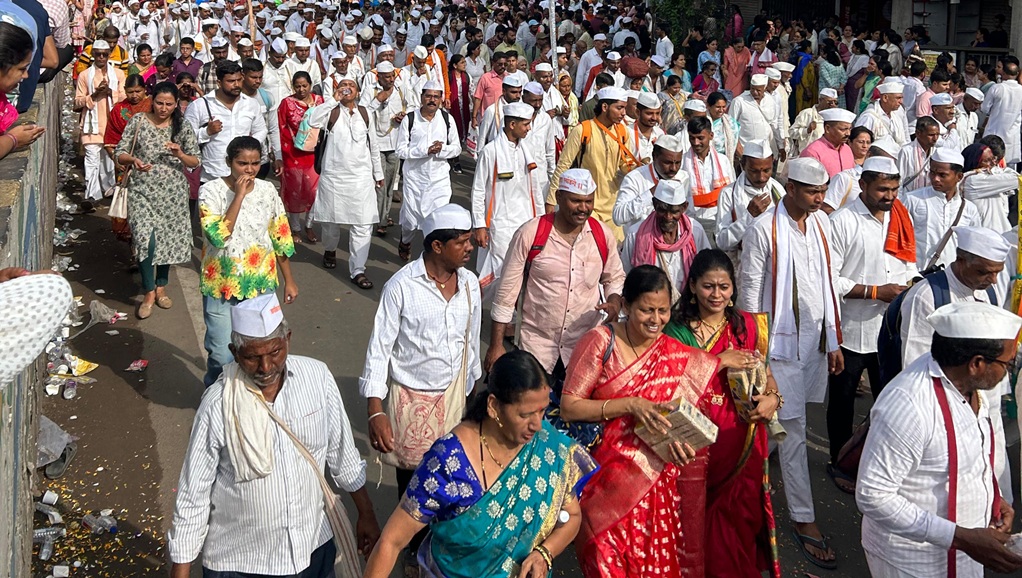
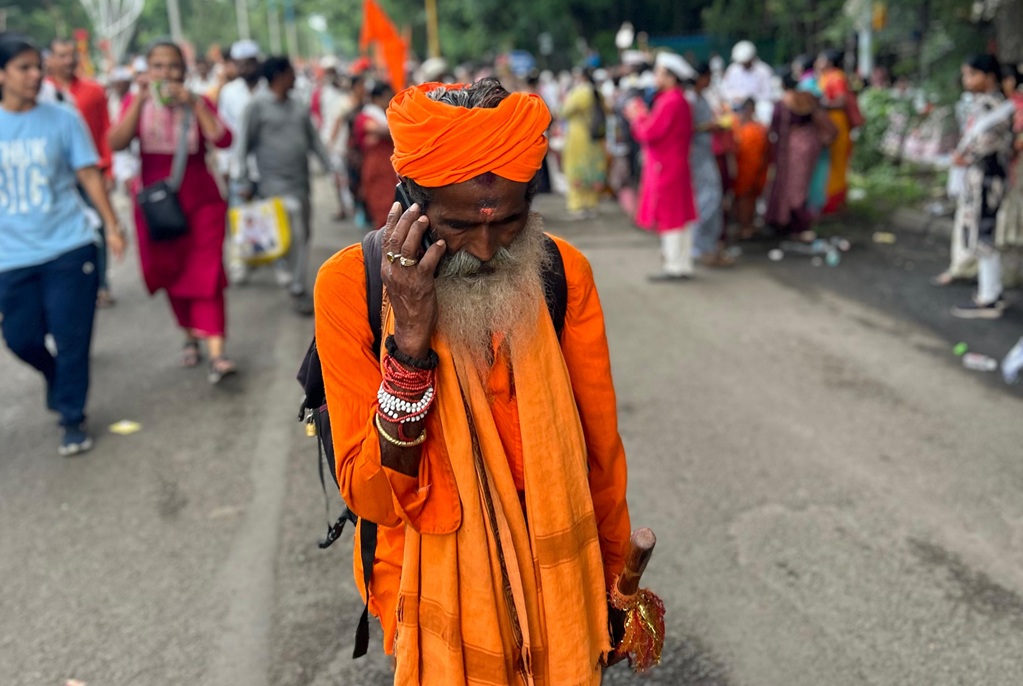
Pune, 22nd June 2025: With chants of “Gyanba-Tukaram” filling the air and saffron flags fluttering in the early monsoon breeze, the palakhis of Sant Tukaram Maharaj from Dehu and Sant Dnyaneshwar Maharaj from Alandi set off from Pune on Sunday morning, continuing their sacred journey towards Pandharpur. Thousands of Warkaris, undeterred by the heat, transformed the city into a flowing river of faith and unity as they walked together in the name of Lord Vitthal.
Sacred Departure from Pune
The Sant Tukaram Maharaj Palakhi resumed from Bhavani Peth after a two-day break, while the Sant Dnyaneshwar Maharaj Palakhi continued from Shaniwar Peth’s Shri Guruji Talim Mandal. Pune’s streets were transformed into a vibrant spiritual procession, filled with music, devotion, and unity, as soulful abhangas and the rhythmic beats of dhol-tasha resonated through the city.
A Multigenerational Pilgrimage
Devotees walked barefoot on sun-scorched roads, many shielding themselves with umbrellas or scarves, yet never missing a step. Singing, praying, and smiling, their collective spirit reflected the very essence of the wari a journey of both body and soul.
Among the lakhs of pilgrims, 10-year-old Shubham Gadge stood out. Participating in the wari for the first time, hand-in-hand with his grandfather, he said, “My grandfather has told me stories of Tukaram Maharaj and Pandharpur since I was little. I wanted to come with him this year. Even though it’s hot and tiring, I enjoy singing and walking with everyone.” His bright eyes and wide smile embodied the intergenerational devotion that the wari inspires.
Diverging Routes, Shared Destination
The two palakhis took different routes through Pune. The Dnyaneshwar Maharaj Palakhi moved through Laxmi Road, Tilak Road, and Swargate, exiting Pune via Dive Ghat to reach Saswad by evening. The Tukaram Maharaj Palakhi passed through Camp, Hadapsar, and Manjari, with an overnight halt at Loni Kalbhor. Both processions will reunite at Wakhari village, just before reaching Pandharpur ahead of the Ashadhi Ekadashi celebrations on July 6.
Civic Support Ensures Smooth Journey
Pune’s civic and police administration ensured the massive event progressed smoothly. Over 6,500 police personnel were deployed for crowd control and traffic regulation. Traffic diversions were well communicated, and the public showed remarkable cooperation.
Ambulances and mobile medical teams were also on standby at critical points.
Celebration in Every Step
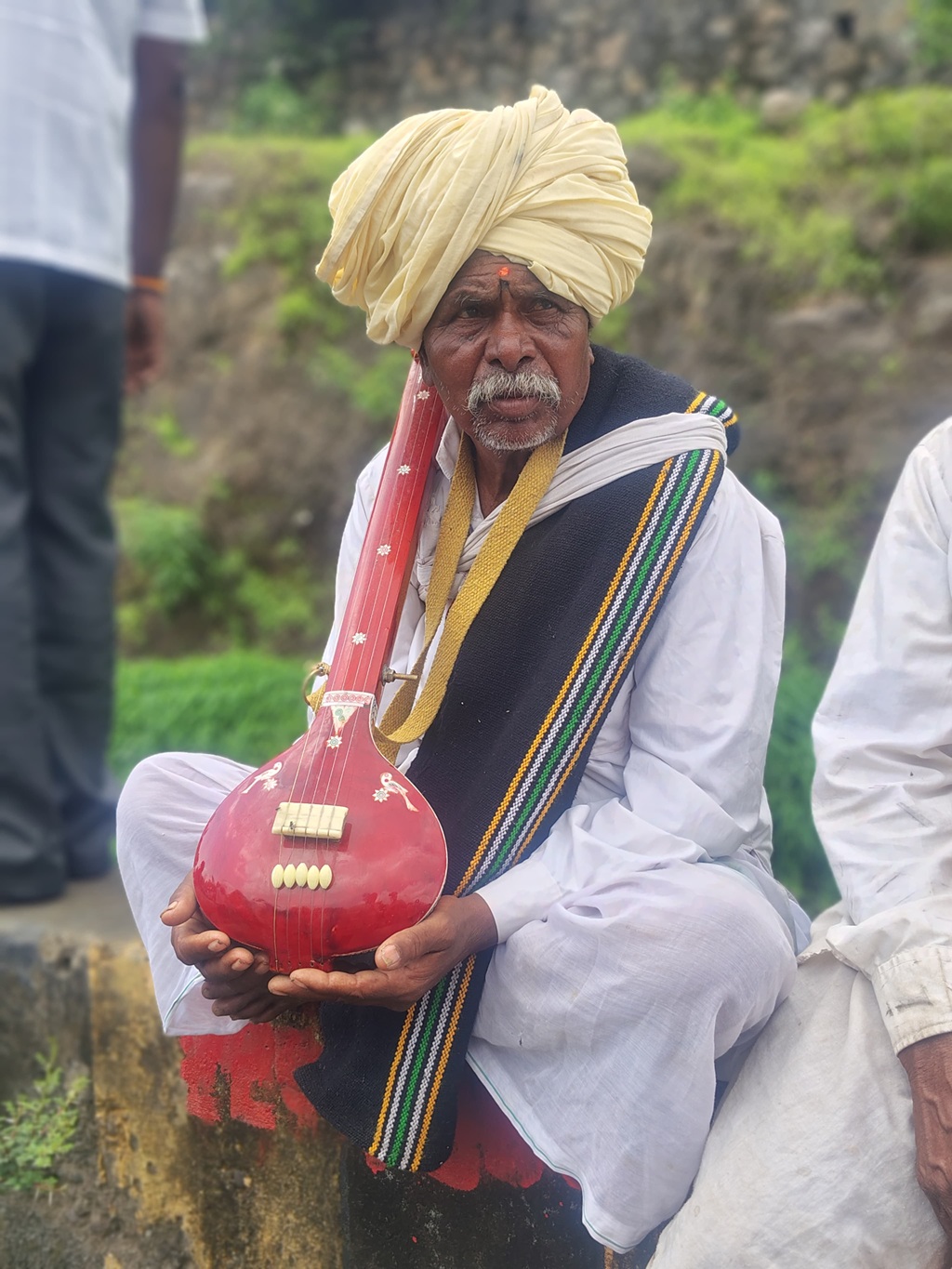
Cultural performances at several junctions added to the celebratory atmosphere. Dhol-tasha pathaks marched in synchronization, women performed fugdi and lezhim, while bhajan mandalis sang verses by Sant Tukaram and Sant Dnyaneshwar. Residents of Pune lined the streets offering prasad, water, flowers, and even temporary shelter. Many opened their homes to Warkaris, exemplifying the city’s warm hospitality and deep connection to the wari.
“This is my tenth year walking with the Dnyaneshwar Maharaj Palakhi. The devotion and energy here are unmatched. No matter how tiring the journey gets, the joy we experience is beyond words,” said Navanath Shinde, a Warkari from Beed.
Wari’s Historical Roots
The history of the wari goes back more than eight centuries, when pilgrims started walking to Pandharpur with the symbolic sandals (padukas) of their revered saints on their shoulders. In 1685, Narayan Baba, the youngest son of Sant Tukaram Maharaj, initiated a new custom loading these padukas into a palanquin (palakhi) as a gesture of utmost respect. For a while, the padukas of both saints went together in a single palakhi.
But in 1830, there was a family quarrel in the lineage of Tukaram Maharaj and the family broke into two groups. Since then, two palakhis have taken different routes—one for Sant Dnyaneshwar from Alandi and the other for Sant Tukaram from Dehu. The palakhis begin separate but meet briefly in Pune and again near Pandharpur before arriving at their ultimate destination, a symbol of unity in diversity.
Unity in Spiritual Diversity
The yatra takes place during the Marathi month of Jyeshtha and lasts some 20 days, ending on Ashadhi Ekadashi, which is a sacred day in the Hindu calendar. It’s not merely a pilgrimage; it’s an evocative celebration of devotion.
Lakhs of Warkaris, all in white, sing traditional abhangas (devotional songs), chant their saints’ names, and go together like one big family. Dindis, which are groups from different villages or communities, march together in unison.
The wari is not simply a religious ritual. It is a profound example of spiritual democracy where people from all backgrounds, castes, and regions walk side by side, bonded by their devotion to Vitthal. It reinforces values of humility, equality, and selfless service, as taught by the saints whose footsteps the Warkaris retrace.
Walking with Nature and Purpose
This year, special efforts were also made to promote environmental awareness. Volunteers encouraged pilgrims to avoid plastic use, segregate waste, and maintain cleanliness. “Wari is not just about reaching Pandharpur, but about walking mindfully with others, with nature, and with God,” said a volunteer from Pune.
A Legacy That Lives On
As the palakhis move further from Pune, they carry with them the hopes, prayers, and unwavering faith of lakhs. In their wake, they leave behind the sound of abhangas, the rhythm of dhols, and a lingering spirit of devotion that will resonate in Pune until their return next year.
For the people of Pune, the wari is not just an annual event it is a reaffirmation of identity, belief, and the shared strength of community. As the chants of “Vitthal Vitthal” echo into the distance, they leave behind more than just memories they leave a living legacy of unity, tradition, and timeless devotion.