Amol Kolhe Demands Pune-Nashik Rail Project Follow Original Alignment; Opposes Hindi Imposition
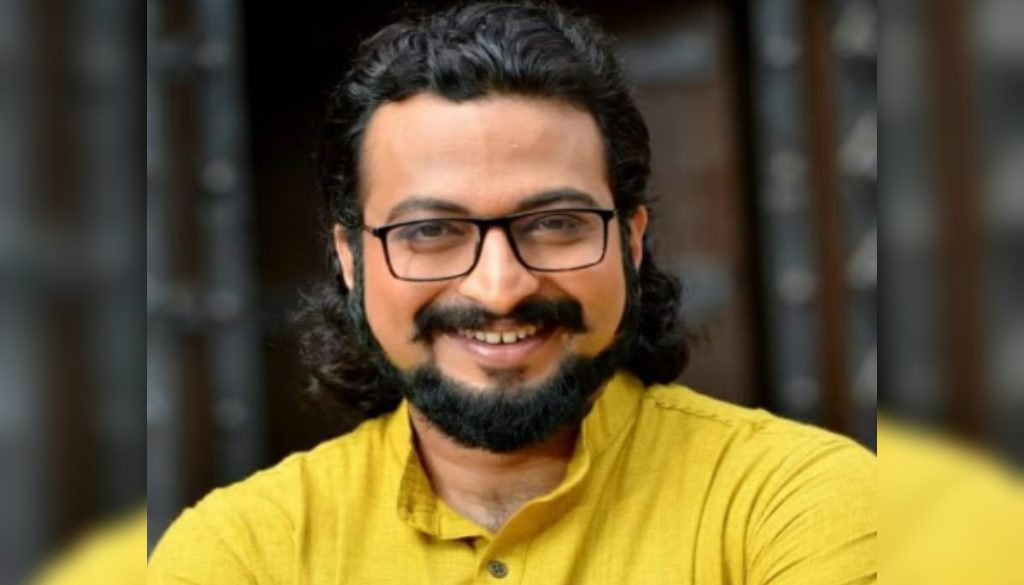
Pune, 23rd June 2025: Shirur MP Dr. Amol Kolhe has strongly advocated for the Pune-Nashik semi-high-speed rail project to follow its originally proposed alignment. Speaking during a public interaction, Kolhe emphasized the need for the Railway Department to work in close coordination with elected representatives to ensure the efficient execution of infrastructure projects.
“The project should proceed according to the original alignment approved by the Shirur Lok Sabha constituency. Every Detailed Project Report (DPR) should be carefully considered before implementation,” Kolhe said. He also requested a meeting regarding the newly proposed Hadapsar railway terminal to review its planning and development.
On political remarks made by Shiv Sena leader Bhaskar Jadhav about NCP supremo Sharad Pawar, Kolhe refrained from commenting, stating, “I haven’t heard the interview. It wouldn’t be appropriate to react without knowing the full context. Everyone knows the significant place Sharad Pawar holds in Maharashtra’s politics.”
On Language Policy and Hindi Imposition
Kolhe also voiced concern over the central government’s push for Hindi in non-Hindi-speaking states, calling it unnecessary and discriminatory.
“There is no need to impose Hindi in Maharashtra or any state. Language must be a choice, not a compulsion,” he said, referring to a recent remark by a spokesperson that leaders should be fluent in Hindi to speak effectively in Delhi. “Maybe the spokesperson hasn’t heard our MPs speak in Parliament,” he added.
Kolhe noted that Hindi wasn’t forced in Gujarat or other states, so there’s no reason for Maharashtra to face such a policy. He reiterated that while he respects Hindi, forced imposition is unacceptable. “We will oppose any move that undermines Marathi,” he said.
He further announced plans to organize discussions on protecting and promoting the Marathi language, especially in the context of education and cultural identity. “If we’re going to teach children songs, will we sing ‘Sang Sang Bholanath’ or something else? We must stand firmly behind our mother tongue,” Kolhe asserted.
On Abu Azmi’s Remarks
Without naming specific individuals, Kolhe advised the public to be discerning about how much importance to give to political statements. “Instead of reading too much into every remark, we should focus on preserving our linguistic pride. I take pride in the linguistic diversity of India, where dialects change every few miles,” he said.
He concluded with a reference to Sant Dnyaneshwar Maharaj, saying, “While the holy Wari is underway, the imposition of Hindi seems both insensitive and surprising. Every Marathi-speaking citizen should strongly oppose it.”