
Pune: Viral Infection Caused Deaths of 16 Deer at Katraj Zoo, Confirms Report
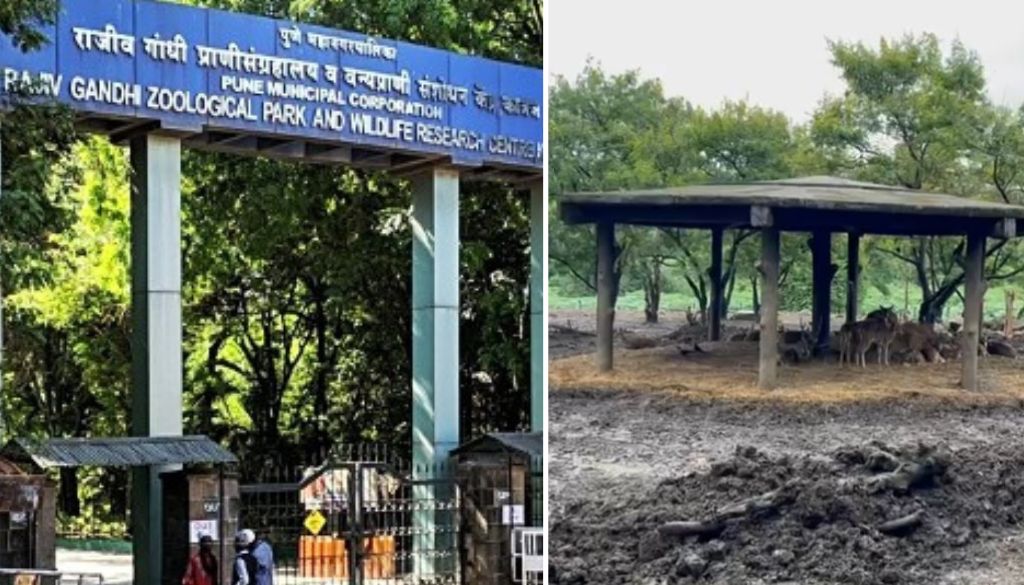
Katraj, 25th July 2025: The mysterious death of 16 chital deer at the Rajiv Gandhi Zoological Park in Katraj has been officially linked to a viral salivary gland disease, according to a detailed investigation conducted by multiple national research institutes.
The incident, which had triggered concern among wildlife authorities and prompted swift action by the state and central governments, led to the collection of biological samples from the deceased animals. Postmortem examinations were conducted, and samples were forwarded to certified government laboratories for testing.
The tests were carried out under the supervision of the Biosafety Laboratory at the Veterinary College, Nagpur, and involved contributions from:
National Foot and Mouth Disease Research Centre
Indian Veterinary Research Institute (IVRI), Bareilly
Wildlife Research and Training Centre, Nagpur
National Institute of High Security Animal Diseases, Bhopal
A laboratory in Bhubaneswar
The collective findings confirmed that the deer succumbed to a viral infection targeting their salivary glands, which weakened their immune systems. Experts observed that fluctuating monsoon temperatures, high humidity, and the confined zoo environment further aggravated the impact of the disease.
A special review meeting was held at the zoo on Thursday, July 24, to discuss the findings. Among those present were Dr. Vikas Lakadmal (Department of Surgery), Dr. Chandrashekhar Mote, Dr. Durgesh Mukate, and other experts. During the meeting, researchers emphasized that the infection was viral in nature and not caused by external injuries or poisoning.
Authorities have now initiated preventive health and hygiene measures, including detailed biological analyses, improved monitoring of zoo enclosures, and environmental adjustments to safeguard the remaining animals.

Officials assured that the government is taking proactive steps to prevent further outbreaks, including enhanced surveillance and stricter veterinary protocols at the zoo.
The incident has highlighted the need for continuous health audits in zoological parks, especially during seasonal changes that can stress captive wildlife and make them vulnerable to infections.