Pune Traffic Plan Explained: Key Roads, Missing Links, Metro Boost, AI Cameras and Smart Signals
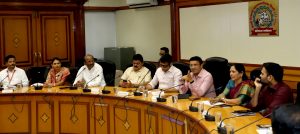
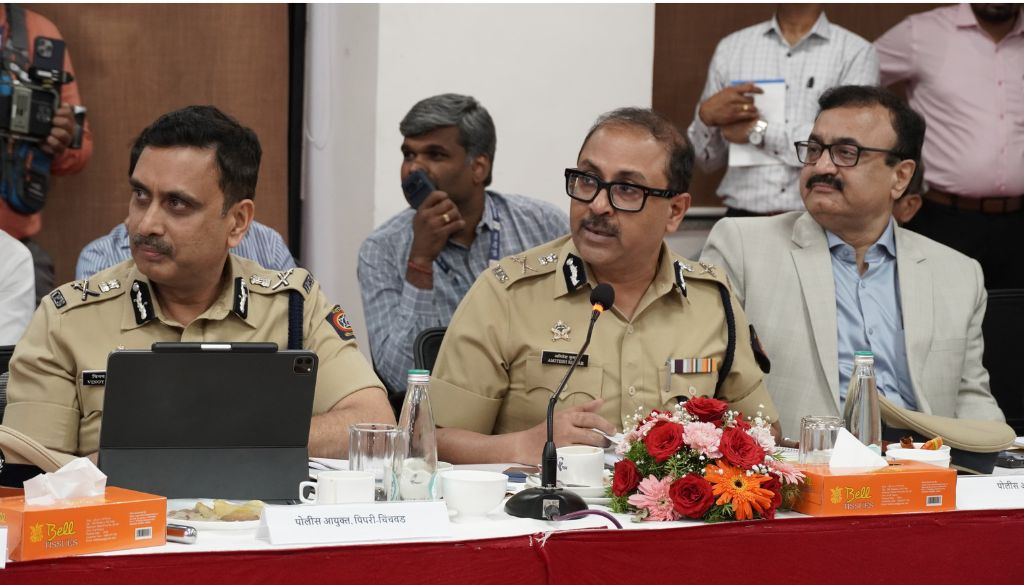
Pune, 9th August 2025: Pune Police Commissioner Amitesh Kumar on Friday presented a comprehensive traffic congestion action plan to Maharashtra Chief Minister Devendra Fadnavis and Deputy Chief Minister Ajit Pawar, outlining a dual strategy of immediate low-cost measures and long-term infrastructure projects to tackle the city’s growing mobility crisis.
The presentation, attended by senior police officials including Joint Commissioner of Police Ranjan Kumar Sharma, Additional CP Manoj Patil, and DCP (Traffic) Himmat Jadhav, detailed the scale of Pune’s traffic challenges and proposed interventions aimed at improving road capacity, boosting public transport usage, and cutting travel times.
City’s Congestion Snapshot
Pune—India’s eighth-largest metropolitan area and Maharashtra’s largest municipal corporation by area—is already operating with vehicle-to-capacity ratios above recommended limits. The Pune Metropolitan Region’s (PMR) current population of one crore is expected to double in the next 30 years, significantly increasing traffic pressure.
Residents lose an average of five days annually in traffic jams—adding up to a year of their lifetime. The city has only 7% of its area under road network compared to the ideal 15%, and public transport usage remains at just 11%, far below the 50% target. The PMPML bus fleet is limited to 2,000 buses, and Pune Metro’s daily ridership stands at 1.2–1.6 lakh, much lower than the ideal 20 lakh-plus.
Causes and Gaps
The report flagged multiple causes for congestion: inadequate infrastructure, lack of credible traffic data, uncoordinated road works, urban sprawl, low traffic enforcement manpower, and poor integration of planning between agencies.
Proposed Roadmap
While long-term solutions like ring roads, metro expansion, truck terminals, and multi-modal hubs are in progress, they will take over 3–5 years to deliver. In the interim, the Pune Police have recommended a Low-Cost Traffic Management (LCTM) plan across 33 arterial roads (265 km) that carry 80% of the city’s traffic.
These measures include:
Widening bottlenecks and connecting missing links.
Junction redesign and synchronised traffic signals.
Strict enforcement of no-parking zones and removal of hawkers.
AI-driven traffic monitoring and public reporting through the PTP app.
Road surface upgrades and improved signage.
Phase 1 Progress
In 2024–25, the PMC and Pune Police implemented 23 junction closures or right-turn bans, created six one-way routes, synchronised signals at 101 locations, shifted bus stops, removed bottlenecks, and resolved waterlogging at key points. Traffic violation enforcement increased by 420%, leading to a 21% drop in congestion at major junctions and a 10.4% rise in traffic speeds on primary roads.
Key Pending Actions
The plan highlights pending tasks such as shifting 42 auto stands, developing off-street parking for luxury buses, and appointing a full-time traffic consultant. It also calls for the rollout of a ₹1,000 crore Intelligent Traffic Management System (ITMS) covering 503 junctions to enhance enforcement, regulate traffic flow, and create green corridors for emergency vehicles.
Need for Coordination
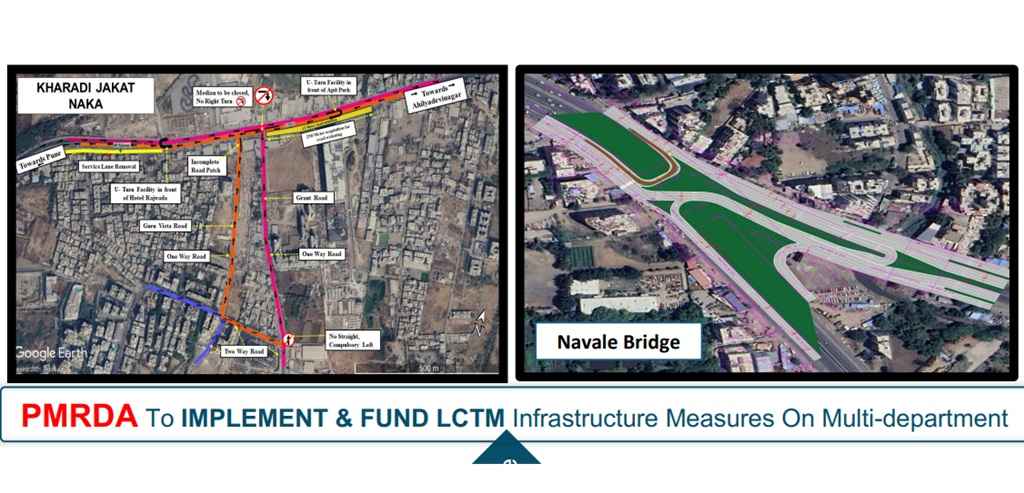
Amitesh Kumar stressed that delays in projects like Navale Bridge and bottleneck removals stem from poor coordination among PMC, PMRDA, NHAI, PWD, and cantonment boards. The proposal seeks to empower the Pune Unified Metropolitan Transport Authority (PUMTA) with financial and institutional powers to execute multi-agency projects.
If implemented, the combined LCTM and long-term measures are projected to boost average speeds from 22 km/h to 30 km/h, increase road capacity by 50%, and ease congestion by December 2026.