Bitcoin Crosses Rs 1.08 Crore: From a Pizza Purchase to a Global Phenomenon
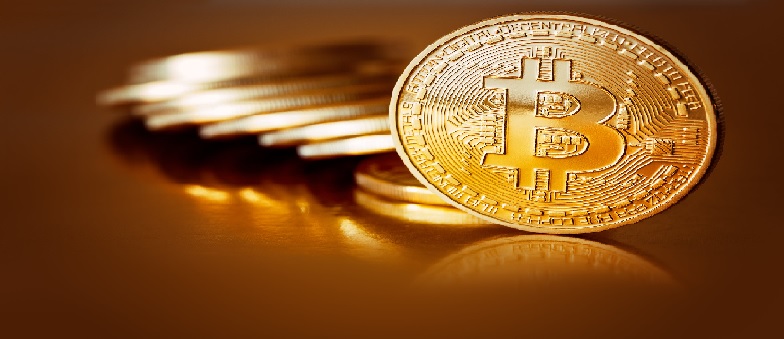
Mumbai, 16th August 2025: Bitcoin, the world’s first cryptocurrency, has crossed the historic mark of ₹1.08 crore per coin for the first time since its creation in 2009—when its value was nearly zero. Along with this record price, Bitcoin’s journey is filled with fascinating stories, mysteries, and milestones that continue to captivate the financial world.
Here’s a look at Bitcoin’s evolution in five chapters:
Chapter 1: The Birth of Bitcoin
The global financial crisis of 2008 shook people’s faith in banks and governments. At a time when reckless banking practices had wiped out people’s savings, a mysterious figure under the pseudonym Satoshi Nakamoto introduced a revolutionary idea: a digital currency free from central banks and governments.
On January 3, 2009, the first Bitcoin block—called the Genesis Block—was mined. This marked the beginning of a decentralized currency that could be transferred peer-to-peer without any financial intermediaries.
Chapter 2: The Pizza Purchase That Made History
On May 22, 2010, Florida-based programmer Laszlo Hanyecz posted on a Bitcoin forum that he wanted to buy two pizzas for 10,000 Bitcoins. Another user, Jeremy Sturdivant, took up the offer and ordered pizzas for him.
At that time, 10,000 Bitcoins were worth only $41. Today, the same 10,000 Bitcoins would be valued at over ₹10,000 crore. This event is celebrated globally as “Bitcoin Pizza Day”, and those pizzas are often referred to as the world’s most expensive pizzas.
Chapter 3: The Anonymous Founder
The identity of Bitcoin’s creator remains one of the greatest mysteries of the digital age. While Satoshi Nakamoto introduced the concept in a 2008 whitepaper and remained active in Bitcoin’s early development, he vanished from public view in 2011, leaving behind around 1 million Bitcoins in untouched wallets—today worth billions.
Theories abound: Was Nakamoto a lone genius, a group of cryptographers, or perhaps a government entity? Statues, tributes, and endless debates continue, but the anonymity adds to Bitcoin’s allure.
Experts suggest three possible reasons behind this secrecy:
Security risks – Governments or criminals might have targeted Nakamoto.
Decentralization – To prevent Bitcoin from being tied to a single identity.
Avoiding speculation – Keeping focus on the technology, not the person.
Chapter 4: The Technology Behind Bitcoin
At its core, Bitcoin is digital code stored in virtual wallets. Transactions are recorded on a blockchain—a public digital ledger distributed across thousands of computers worldwide.
Each transaction is verified by “miners” who solve complex puzzles using computing power. In return, they receive new Bitcoins. With a capped supply of 21 million coins, scarcity has only fueled its demand.
Blockchain’s decentralized and transparent design has since inspired countless applications beyond cryptocurrency, from supply chains to healthcare.
Chapter 5: Who Holds the Most Bitcoins?
It is widely believed that Satoshi Nakamoto mined around 1.1 million Bitcoins in the early days, stored across 22,000 wallets. Their estimated value today exceeds ₹11 lakh crore.
Meanwhile, a Bloomberg report (December 2024) noted that U.S.-based spot Bitcoin ETFs hold a similar volume, though it remains unclear whether institutional investors or Satoshi remain the largest holder.
From Zero to Crores: A Global Symbol of Change
In just over 15 years, Bitcoin has transformed from a little-known experiment into a global financial asset. From being exchanged for pizzas to crossing ₹1.08 crore per coin, its story highlights not only technological innovation but also shifting attitudes toward money, trust, and power in the digital era.