GST 2.0: Major Reform May Bring Relief to Consumers; Many Daily-Use Items Likely to Get Cheaper
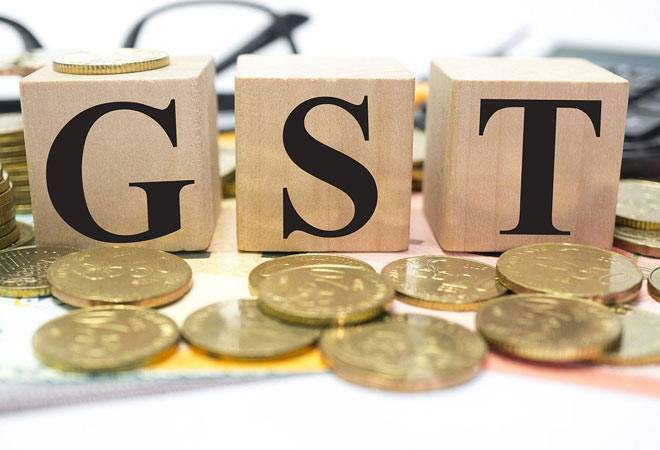
New Delhi, 26th August 2025: Prime Minister Narendra Modi, during his Independence Day speech from the Red Fort, hinted at a major overhaul of the Goods and Services Tax (GST). The much-anticipated GST 2.0 could be a “double gift” for citizens, with reports suggesting that the existing four tax slabs may be reduced to just two — 5% and 18%.
According to brokerage firm Ambit Capital, the Group of Ministers (GoM) has already approved the proposal to eliminate the 12% and 28% GST slabs. The GST Council will take a final decision in its upcoming meeting scheduled for September 3–4 in New Delhi.
What Could Get Cheaper?
If approved, several essential and daily-use products currently taxed at 12% could shift to the 5% slab, resulting in significant price drops. These include:
Packaged dairy products: From 12% to 5%
Fruit juices: 12% to 5%
Packaged meat, sauces & spices: 12% to 5%
Processed coffee, dry fruits, handbags, textiles, footwear: 12% to 5%
Tractors (<1800cc) & prescription medicines: 12% to 5%
Ghee and butter: 12% to 5%
Additionally, items such as air conditioners, televisions, and cement — currently taxed at 28% — may be moved to the 18% bracket. Cement’s rate cut is expected to give a major boost to the construction and infrastructure sector. Reports also suggest health insurance could be made cheaper by bringing it outside the GST ambit.
What Could Become Costlier?
Luxury goods and so-called “sin products” might face higher taxation. Ambit Capital’s report notes that GST on luxury cars, tobacco products, pan masala, and certain beverages could be increased, with cess rates proposed to rise from 28% to as high as 40%.
While the reform is expected to benefit consumers, analysts estimate a potential revenue loss of ₹0.7–1.8 trillion for the Centre and states combined.
PL Capital, however, has indicated that electronic items may not see any GST change. The final decisions will be taken by the GST Council, bringing clarity on which items will ultimately get cheaper or more expensive.