NRAI-Pune Seeks Government Intervention Over ‘Illegal’ Raids on Restaurants, Bars
Pune, 23rd September 2025: The National Restaurant Association of India (NRAI)–Pune Chapter has called for greater recognition of the hospitality sector’s contribution to the city’s economy and culture, while also expressing concern over the manner in which certain enforcement actions are being carried out.
Founded in 1982 and headquartered in Delhi, NRAI represents the interests of more than 5,00,000 restaurants across India. With an annual turnover of ₹5.7 lakh crore, the restaurant industry is the country’s third-largest service sector after retail and insurance, employing over 8 million people directly.
Adv Ajinkya Udane, who is co-head of NRAI–Pune Chapter, said, “Much of the recent conversation around Pune’s hospitality industry has focused on crackdowns and notices. While enforcement has its role, what often gets overlooked is how significantly this sector contributes to the city’s economy, employment, and social life.”
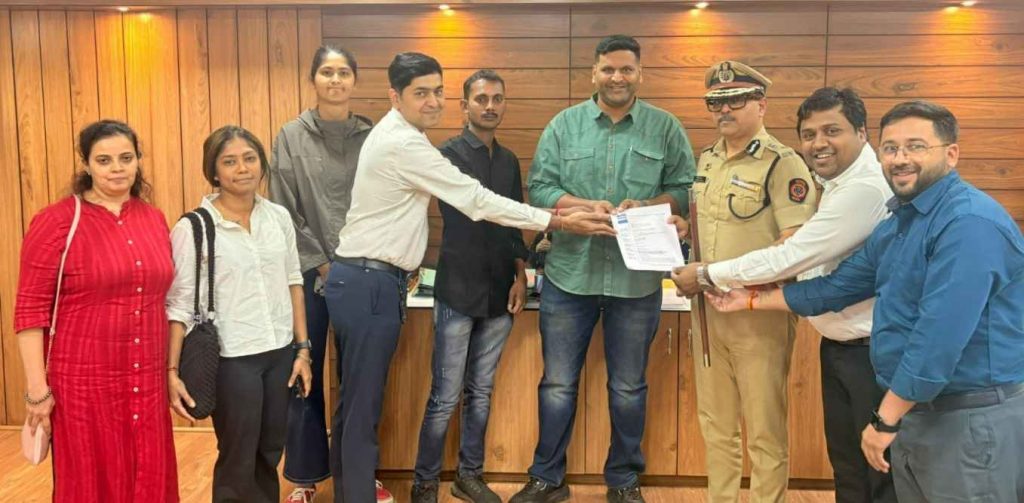
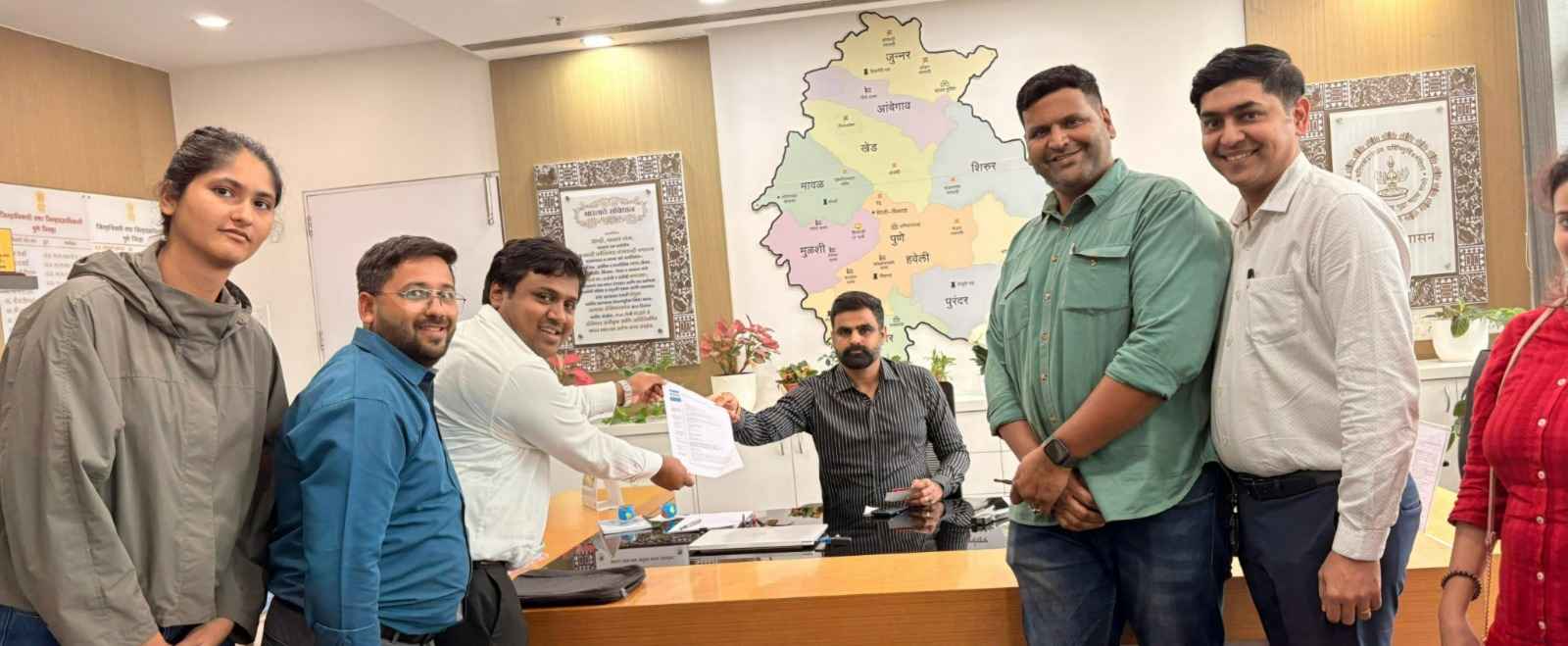
He met the Pune Police Commissioner Amitesh Kumar and District Collector Jitendra Dudi and submitted concerns of the NRAI.
Employment and Economic Impact
According to NRAI, Pune’s Food & Beverage sector currently employs an estimated 2.5 to 3 lakh people directly, with an additional 3 lakh individuals supported indirectly through suppliers, logistics, maintenance, and allied services.
“To put it in perspective, a single 50-seater restaurant can employ nearly 50 people across managers, chefs, servers, housekeeping, and valet staff,” Udane explained. “This sector also generates substantial indirect employment for delivery partners, security staff, musicians, farmers, and artisans.”
In FY 2024–25, the sector contributed an estimated ₹1,200–1,500 crore in revenues to local and state governments through GST, licensing fees, liquor permits, and municipal taxes.
Cultural and Community Value
Beyond numbers, Udane emphasized the cultural importance of restaurants, cafés, and bars. “These are not just businesses. They are community spaces that host live music, showcase art, and bring people together. They reflect Pune’s cosmopolitan identity while providing spaces for students, professionals, and families to connect,” he said.
Safety and Accountability
Addressing concerns about safety and noise, Udane noted that licensed establishments follow strict compliance. “The organised F&B sector is far more accountable than unregulated alternatives. Licensed outlets adhere to fire safety standards, age verification norms, and employ trained staff,” he added.
Concerns Over Enforcement Practices
While reiterating NRAI’s support for lawful enforcement, Udane flagged recent reports of irregularities during inspections. “Several of our members have reported that random raids are being conducted at bar establishments, with instructions to shut operations before the permissible time,” he said. “What is especially troubling is the presence of unauthorised individuals accompanying officials. These persons not only question operators but also demand trade and licensing documents. This is inappropriate and unacceptable.”
Call for Intervention
NRAI–Pune Chapter has urged authorities to safeguard the principles of Ease of Doing Business and ensure that no unauthorised persons accompany enforcement teams. “We fully cooperate with the authorities, but the involvement of outsiders undermines trust. At a time when the state government is promoting investor confidence, such practices send the wrong signal,” Udane stressed.
He concluded with an appeal: “A great city is defined not only by its infrastructure but also by the spaces where people gather, share meals, and create memories. Pune deserves both. We request the government’s intervention to address these concerns and to continue supporting a sector that is vital to the city’s progress.”