Pune’s Public Transport Set for Biggest Makeover Yet: PMPML to Roll Out 2,000 New Buses, Aims for 20 Lakh Daily Riders
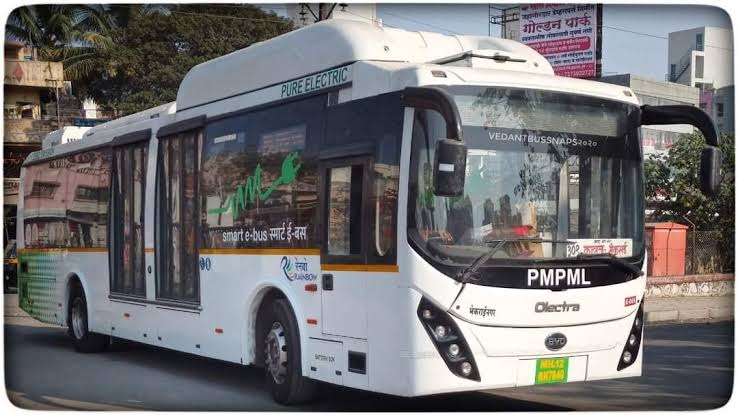
Pune, 19th November 2025: Pune’s bus commute is headed for a massive transformation. In what could become the city’s most ambitious public transport upgrade in years, PMPML is gearing up to add 2,000 brand-new buses to its fleet within the next five months — effectively doubling its strength and setting an aggressive new target of 20 lakh daily passengers. For lakhs of office-goers who struggle with packed buses and long waits, the change could be game-changing.
Currently, PMPML operates about 1,650 buses on the road each day from its total fleet of 2,000, serving nearly 11 lakh commuters. Officials say that growth in ridership has long been restricted not by demand but by sheer shortage of buses. The addition of 2,000 fresh vehicles is expected to finally ease crowding and improve frequency across the network.
Of the incoming fleet, 1,000 will be electric buses — already cleared by the Central Government — while another 1,000 will run on CNG. Manufacturing of the CNG buses has begun and work orders are in place. PMPML expects all 2,000 buses to be deployed by April–May 2026.
PMPML Chairman & Managing Director Pankaj Deore said, “We are working toward achieving a daily ridership of 20 lakh. New routes and new depots will be essential. Once the fresh fleet arrives, passengers will feel a major difference.”
300 New Routes Coming Up
At present, PMPML’s 1,650 operational buses serve 371 routes across Pune and Pimpri-Chinchwad. With the fleet doubling, the authority plans to add at least 300 new routes, expanding public transport access to fast-growing areas and underserved localities.
More Buses Need More Space: 13 New Depots Planned
The transport body currently runs operations through 17 depots, but the expanded fleet will require 13 additional depots. PMPML has requested 117 acres of land, and identification of suitable locations is underway. Officials admit that constructing fully functional depots in such a short timeframe will be a challenge, making quick approvals and fast-track development critical.