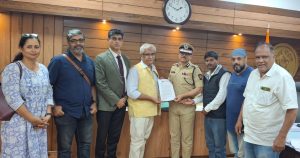
Pune: Maharashtra Probationary Officers Complete Specialized Civil-Military Fusion Training

Pune, 8 December 2025: A landmark six-day Civil-Military Fusion training program concluded at the Military Civil Fusion and Foreign Training Node, Aundh Military Station, organized under the aegis of Headquarters Southern Command. The initiative, which ran from 1 to 6 December 2025, involved 157 Class-II Probationary Officers of Batch 11-2025 from VANAMATI, Nagpur, including 48 female and 109 male officers.
The program aimed to familiarize future Maharashtra administrators with Army ethos, leadership principles, and crisis management strategies, fostering collaboration and mutual understanding between civil and military agencies. By promoting interoperability, the initiative ensures that civil administration and armed forces operate in a cohesive and coordinated manner during emergencies.
In today’s environment of hybrid warfare, asymmetric conflicts, natural disasters, and humanitarian crises, effective coordination between civilian authorities and the military is crucial. The training provided probationary officers with hands-on exposure to military operations, leadership practices, and ground realities, enhancing their understanding of the challenges faced by soldiers and the functioning of military units.
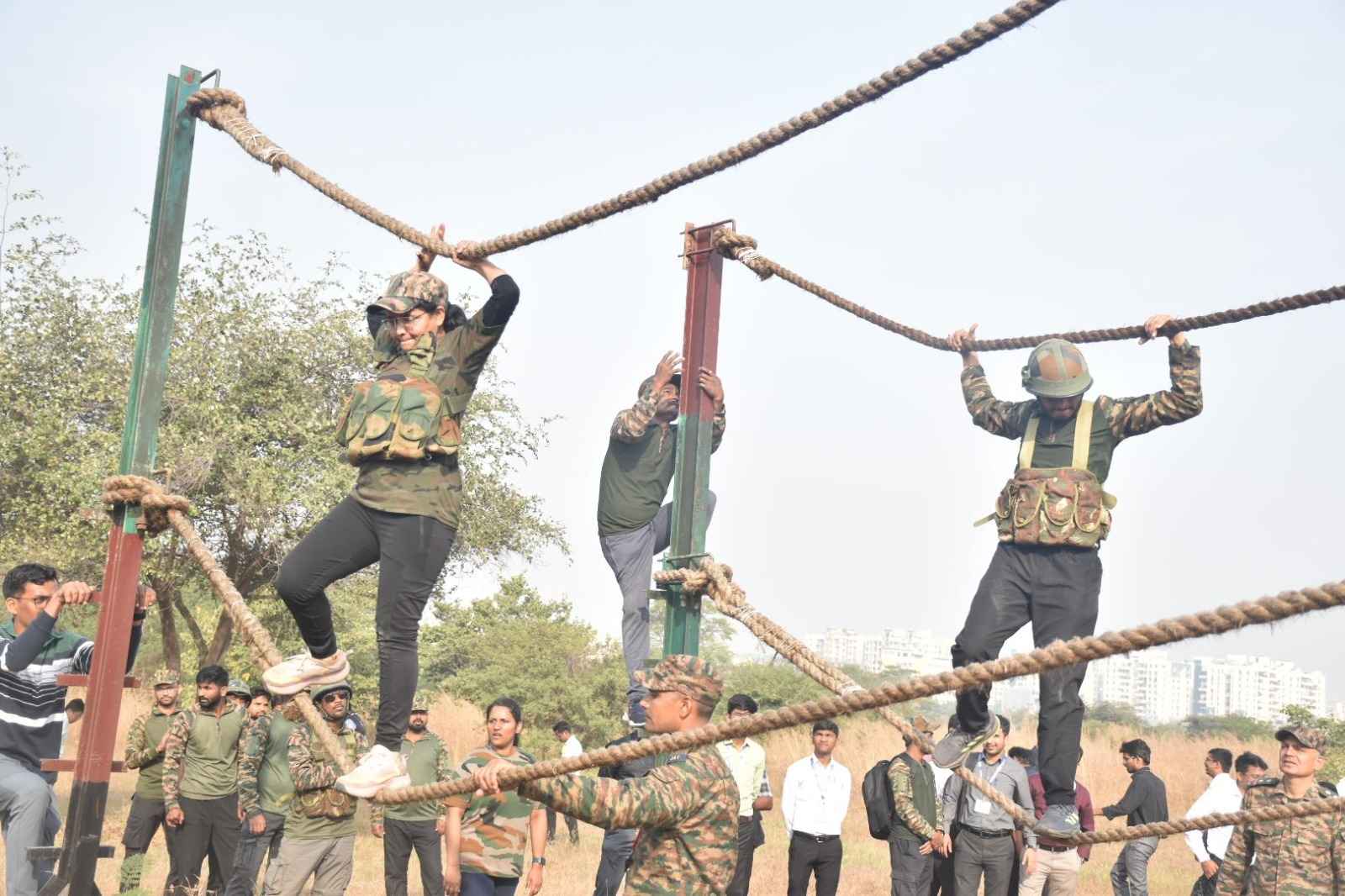
The curriculum focused on:
Operational protocols and administrative processes
Crisis response mechanisms and disaster management
Unit-level exercises and collaborative tasks to simulate real-world coordination
Leadership dynamics and decision-making under stress
Through these exercises, officers developed a clearer understanding of civil-military coordination, equipping them to respond efficiently and effectively in emergencies.
The program underscores Maharashtra’s commitment to training its future administrative leaders with practical exposure to military functions, leadership, and crisis preparedness. By emphasizing Civil-Military Fusion, the initiative strengthens national security, disaster management capabilities, and governance effectiveness, contributing to the broader goal of nation-building.