Pune: Mohammadwadi–Undri Locals Oppose PMC’s Garbage Processing Plant Near Homes, Schools
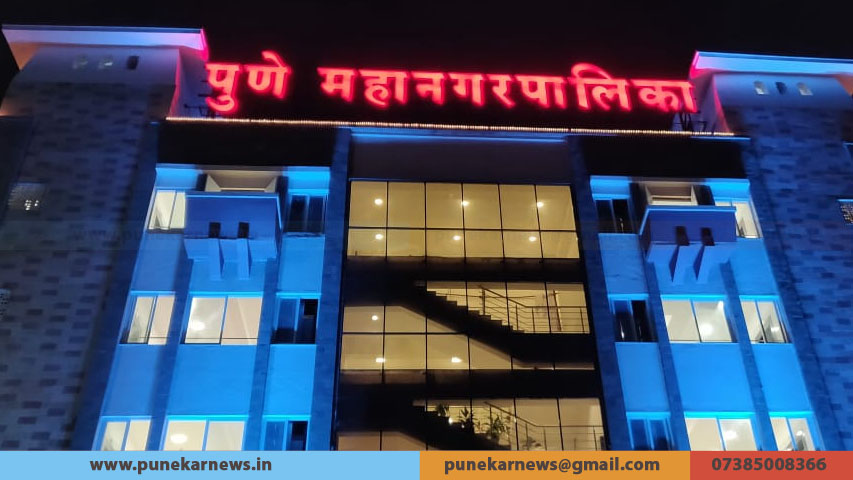
Pune, 10th December 2025: A large coalition of housing societies in Mohammadwadi and Undri has formally objected to the Pune Municipal Corporation’s (PMC) plan to set up a Garbage Processing Plant (GPP) in the area, calling it a major threat to public health and the environment.
The objection was submitted this week to the Town Planning Department and PMC officials, marking one of the most significant civic interventions from the locality in recent years.
The Mohammadwadi–Undri Residents Welfare Development Foundation submitted a detailed representation to Officer Abhijit Ketkar, appointed under Section 21(4A), and PMC Commissioner Naval Kishor Ram (IAS). More than 50 housing societies participated in the campaign, bringing together families, senior citizens, working professionals and young parents in a united stand against the proposal.
Residents said the proposed GPP site at Location 4/21 in Undri—listed in Sheet No. 13 of the Draft Development Plan—is barely a kilometre from major residential clusters, including Nyati Windchimes, NECO Beaumont, Nyati Defence Enclave, Nyati Chesterfield, Ganga Fernhill, Nyati Ebony, Nyati Erica and Nyati Serenity. These communities collectively represent over 1,000 households and more than 4,500 residents.
“Placing a GPP in the middle of Undri’s residential zone, just 60 metres from Nyati Windchimes and close to schools, is not merely a planning oversight—it is a direct threat to our health,” said Sunil Koloti, a resident of Nyati Windchimes and Director of the Foundation. He said global studies clearly link such facilities to toxic emissions, respiratory illnesses, groundwater contamination and long-term environmental degradation.
The proposed plant also lies within a one-kilometre stretch of three large schools—Dhruv International School, SNBP Serene School and Delhi Public School—which together host nearly 6,000 students. A senior citizen care home housing 20–30 medically supervised elderly residents is located adjacent to the proposed site. Parents and caregivers say the project exposes vulnerable groups to harmful odours, toxic gases, increased heavy-vehicle traffic and a higher risk of disease spread.
The Foundation has highlighted a range of scientific concerns in its objection. According to its submission, garbage processing units commonly release gases such as methane, carbon dioxide, hydrogen sulphide, nitrogen dioxide and sulphur dioxide—pollutants linked to asthma, bronchitis, skin problems, eye irritation, persistent headaches and long-term risks including cancer and congenital defects. The group has also flagged threats of groundwater contamination from leachate, fire hazards due to methane buildup, and the likelihood of increased rodent and insect infestations.
Residents argue that global norms discourage placing garbage-processing facilities near residential hubs, schools or senior citizen homes—making the Undri location fundamentally unsuitable. They also underscored what they call a long-standing lack of civic infrastructure in the locality despite decades of tax contributions.
“To now impose a GPP on an already neglected area is insensitive and unfair,” the Foundation noted in its objection.
Instead of the plant, the group has proposed that the land be developed into community-oriented green spaces such as a forest zone, butterfly garden, urban park or sports facility. They argue that such alternatives would improve air quality, increase green cover, enhance biodiversity and provide recreational spaces for the wider region.