PMC Election Results 2026: Rising NOTA Votes Reflect Deepening Voter Discontent in Pune Civic Elections
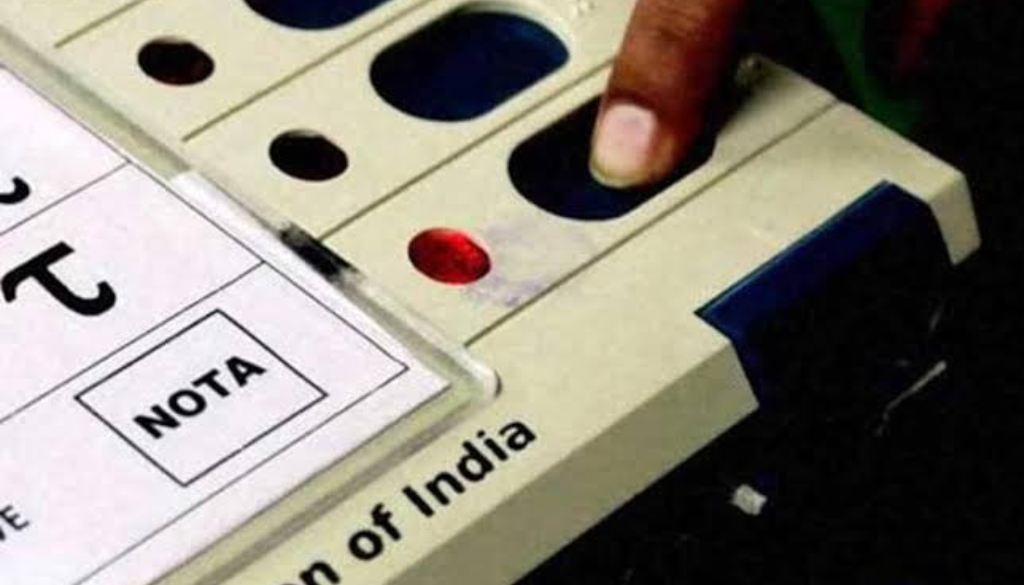
Pune, January 19, 2026: The growing preference for the ‘None of the Above’ (NOTA) option in the recently concluded Pune Municipal Corporation (PMC) elections has emerged as a silent yet forceful form of protest, signalling widespread voter dissatisfaction across several prominent city wards. From the densely populated Dhankawdi–Katraj belt to the IT-driven Sus–Baner–Pashan region, thousands of citizens chose to reject all candidates, raising uncomfortable questions for political parties about credibility, governance, and candidate selection.
One of the most striking examples came from the Dhankawdi–Sahakarnagar regional office area, comprising Ward Nos. 36, 37 and 38. With 83 candidates in the fray and a total electorate of 3,03,539, the area recorded a turnout of 53.21 per cent, with 1,60,571 voters exercising their franchise. Among them, a notable 19,300 voters opted for NOTA, a figure that has drawn attention from political observers and civic activists alike.
Ward-wise data shows that Ward 38, Pune’s largest five-member ward, topped the NOTA count with 8,931 votes. Ward 36 followed with 5,188 NOTA votes, while Ward 37 recorded 5,181. Analysts pointed out that these figures are significant given the intense multi-cornered contests involving major political parties, independents, and even family-centric rivalries. Despite this, a sizeable segment of the electorate chose to reject all options on offer.
A similar and equally telling trend was observed in Ward No. 9 (Sus–Baner–Pashan), the PMC’s most populous ward. Out of 1,56,040 registered voters, 82,676 participated in the polling process. Of these, 11,576 voters—nearly 14 per cent—selected NOTA, placing the ward among those with the highest proportion of NOTA votes in the city.
Covering Baner, Balewadi, Pashan, Sus, Mahalunge, Someshwarwadi and Sutarwadi, the ward is home to a large population of educated professionals, particularly IT employees associated with the Hinjewadi IT Park. Voters here cited resentment over alleged political opportunism, frequent party-switching, criminal antecedents of certain candidates, and a perception that personal ambition was taking precedence over public welfare.
Election statistics further revealed that NOTA votes were evenly distributed across all four electoral groups in the ward, indicating broad-based dissatisfaction rather than discontent confined to specific localities. Civic activists noted that such sentiments were visible well before polling day.
In the run-up to the elections, citizen groups such as the Baner–Balewadi Citizens’ Forum and the Baner–Balewadi–Pashan Residents’ Association organised an outreach initiative titled “Citizen Manifesto – Speak Before You Vote.” Volunteers engaged residents with a single question—“What kind of neighbourhood do you want?”—eliciting responses from over 6,400 citizens who stressed accountability and governance over party allegiance.
Political analysts believe the expanding footprint of NOTA across Pune’s diverse socio-economic regions serves as a warning to all political parties. As NOTA continues to gain prominence in successive elections, it highlights a widening trust deficit between voters and political establishments, underscoring the urgent need for introspection, cleaner politics, and a renewed focus on grassroots governance.