Iran–Israel–US Conflict Impacts LPG Supply and Prices in India; Commercial Cylinder Supply Halted from Pune Plants
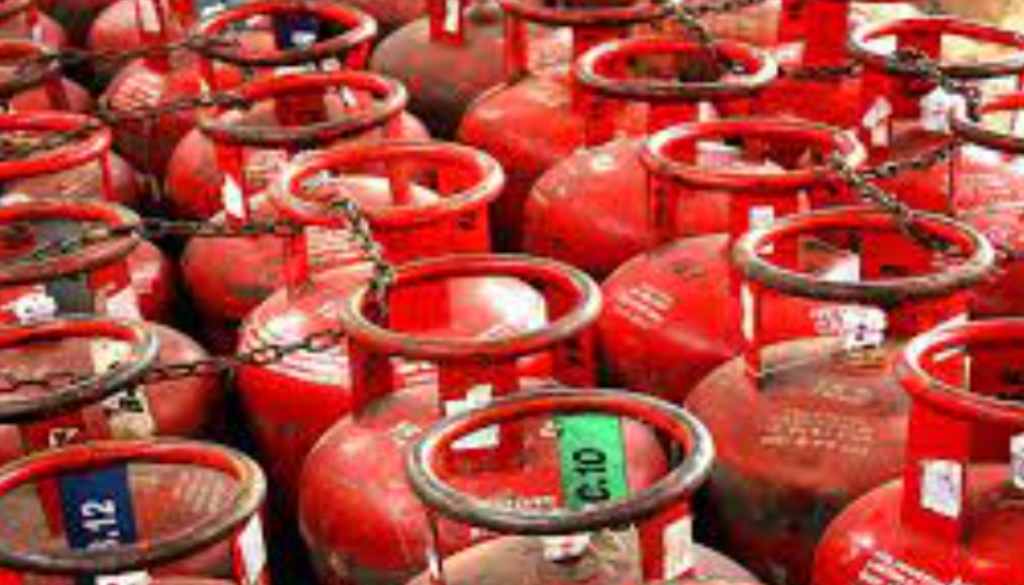
Pune, 7th March 2026: The ongoing conflict among Iran, Israel, and the United States in West Asia is beginning to affect gas supplies and prices in India, with repercussions reaching households, restaurants, and industries. Amid rising geopolitical tensions and concerns over supply disruptions, authorities have temporarily halted the supply of commercial LPG cylinders from major gas plants in Pune district while LPG prices across the country have also been increased.
As a precautionary measure to safeguard domestic LPG supply for households, the distribution of commercial LPG cylinders from gas plants located in Chakan and Shikrapur in Pune district has been temporarily suspended.
According to reports, the decision was taken to ensure that household cooking gas supply remains uninterrupted and that ordinary consumers do not face shortages. Gas companies, including Hindustan Petroleum Corporation Limited (HPCL) and Bharat Petroleum Corporation Limited (BPCL), have instructed LPG dealers not to place fresh orders for commercial cylinders or send transport vehicles to the plants for new supplies until further notice.
Commercial LPG cylinders are available in capacities of 5 kg, 19 kg, 35 kg, 47 kg, and 427 kg, and the suspension is expected to affect several sectors that rely heavily on LPG.
Hotels and restaurants, which depend on large quantities of LPG for cooking, may face fuel shortages. Industrial units that use gas for processes such as metal melting, powder coating, and manufacturing operations could also be affected. In addition, small businesses that rely on smaller cylinders may face supply constraints.
Dealers will now distribute only the stock they currently have to commercial establishments and industries. How long these reserves will last remains uncertain and largely depends on the duration of the ongoing conflict and its impact on international supply chains.
Since the government does not subsidise commercial LPG cylinders, any shortage could also lead to higher operating costs for businesses, raising concerns that restaurant food prices may rise.
Meanwhile, LPG prices in India have also been revised upward following the escalation of tensions in West Asia.
The price of the 14.2-kg domestic LPG cylinder has been increased by ₹60, while the price of the 19-kg commercial cylinder has gone up by ₹115. The revised rates took effect on March 7.
According to sources, the price of a domestic LPG cylinder in Delhi has increased from ₹863 to ₹913. The cost of a 19-kg commercial cylinder in the national capital is now ₹1,883, while in Mumbai it is around ₹1,835.
The price hike comes amid concerns that the joint military actions involving the United States and Israel against Iran could disrupt energy supplies in the region, particularly through the strategically crucial Strait of Hormuz.
Government data indicate that India consumed approximately 31.3 million tonnes of LPG in the previous financial year. However, only around 12.8 million tonnes were produced domestically, with the remainder imported primarily from Gulf nations such as Saudi Arabia and other West Asian countries.
Any disruption to shipments through the Strait of Hormuz, a key global energy corridor, could significantly affect LPG supplies to India.
Government Measures to Stabilise Supply:
To strengthen domestic LPG availability, the Ministry of Petroleum recently issued directives requiring that propane and butane produced during the refining process be used exclusively for LPG production. LPG is primarily a mixture of these two gases and is widely used for household cooking.
Under the provisions of the Essential Commodities framework, refineries have also been instructed to supply the LPG they produce only to the three public-sector oil marketing companies — Indian Oil Corporation, Bharat Petroleum Corporation Limited, and Hindustan Petroleum Corporation Limited.
Additionally, the use of propane and butane for petrochemical production has been halted to prioritise LPG availability.
Officials believe these measures will help maintain stable gas supplies even during periods of geopolitical uncertainty while strengthening the domestic supply chain and reducing dependence on imports.
However, with tensions in West Asia continuing, the situation remains uncertain, and both industries and consumers across India are closely monitoring the impact on fuel availability and prices.