Summer Diet Tips: What to Eat and Avoid to Stay Hydrated in Extreme Heat
Pune, 4th April 2026: As temperatures rise across many parts of India, health experts are advising people to rethink not just how much they eat during summer, but what they eat. In hot weather, the body loses a significant amount of water and essential electrolytes such as sodium and potassium through sweat. This can lead to dehydration, fatigue and weakness if the lost fluids and nutrients are not replenished properly.
Summer heat also tends to reduce appetite and slow down digestion, making it important to choose foods that are light, hydrating and easy to digest. According to dietary guidelines issued by the Indian Council of Medical Research (ICMR), meals during the hot months should focus on water-rich foods that support hydration while maintaining digestive comfort.
Foods that help keep the body hydrated
Seasonal fruits and vegetables play an important role in maintaining hydration and electrolyte balance.
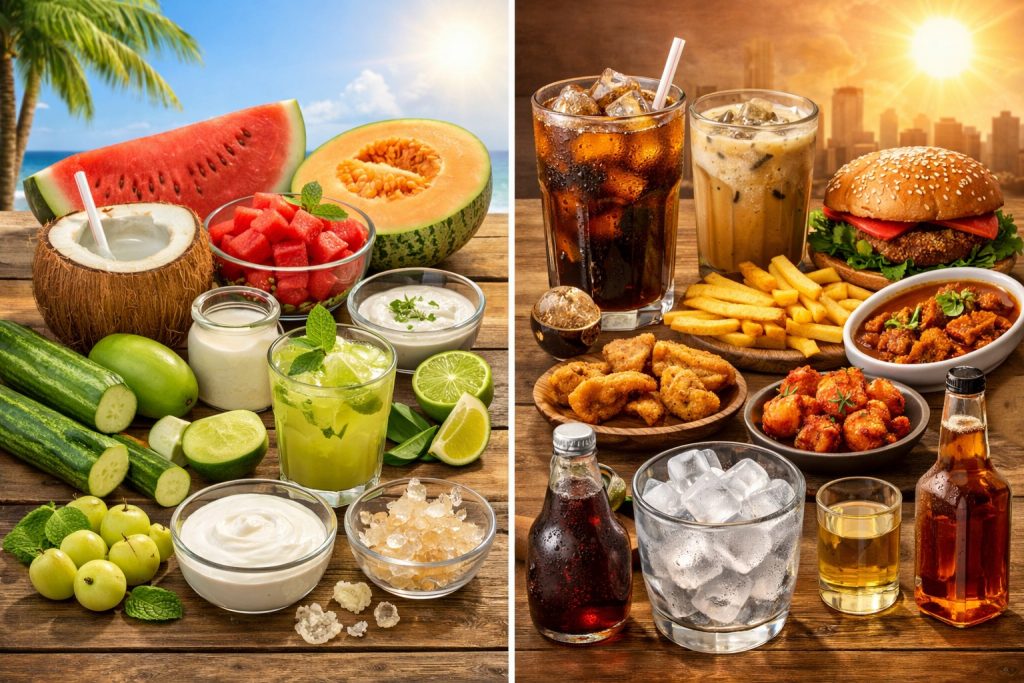
Watermelon and muskmelon are among the most recommended summer fruits as they contain high water content and help keep the body cool.
Vegetables such as cucumber, bottle gourd, ridge gourd and pumpkin are light on the stomach and provide both hydration and potassium.
Curd and buttermilk support digestion and help maintain gut health, especially when digestion becomes sluggish in hot weather.
Coconut water is a natural source of electrolytes and helps restore fluid balance.
Traditional drinks like aam panna, made from raw mango and mixed with salt and roasted cumin, help replenish electrolytes and prevent dehydration.
Fruits such as amla and lemon are rich in antioxidants and vitamin C, which support immunity during seasonal changes.
Another traditional cooling ingredient is gond katira, or tragacanth gum, which is known for its cooling properties. However, experts advise consuming it only after soaking it in water and in limited quantities. People who experience bloating or suffer from irritable bowel syndrome may need to avoid it or consume it cautiously.
When and how to eat for maximum benefit
Nutritionists say that spreading hydrating foods and drinks throughout the day can help the body cope better with heat.
Morning: Start the day with water along with fruits like watermelon or muskmelon, or a glass of lemon water.
Mid-morning: Buttermilk or coconut water helps maintain hydration and electrolyte balance.
Gond katira: After soaking, half to one teaspoon can be consumed during the day, preferably in the morning or afternoon.
Lunch: A light meal consisting of dal, curd, seasonal vegetables and salad supports digestion.
Evening: Fruits, nuts, roasted gram and buttermilk are healthy snack options.
Dinner: Eating early and keeping dinner light is recommended. Soups or simple meals such as dal-rice with bottle gourd or ridge gourd, or curd rice, are easier to digest.
Common summer diet mistakes to avoid
Health experts also warn that certain habits during summer can worsen dehydration and digestive discomfort.
Excess caffeine can increase dehydration
According to the medical experts, consuming two to three cups of caffeinated beverages a day is generally considered safe. However, excessive caffeine intake may contribute to dehydration because it increases urine output, which can cause the body to lose water and sodium. In hot weather, this can further disturb the electrolyte balance.
Very cold water may slow digestion
Drinking extremely cold water can temporarily affect blood circulation. Research published in Nature Scientific Reports suggests that cold temperatures can cause blood vessels to constrict, which may slightly slow down digestion. When water at around 4–5°C is consumed, the body must expend additional energy to bring it to normal body temperature. In some individuals, very cold water may also trigger migraines, bloating or acid reflux.
Sugary drinks can increase fatigue
Many people turn to sugary beverages or cold drinks to beat the heat, but excessive sugar intake can worsen dehydration. Sugary drinks provide quick energy but are often followed by fatigue and sluggishness. High sugar intake may also disturb the body’s electrolyte balance, contribute to weight gain and increase the risk of heat exhaustion.
Heavy dinners can disturb sleep and digestion
Eating heavy or very spicy food at night during summer can put extra strain on digestion and may raise body temperature. Studies cited by the National Library of Medicine in the United States indicate that spicy food can interfere with sleep patterns. Experts recommend keeping dinner light and less spicy to support better digestion and restful sleep.
As heatwaves become more frequent, doctors say that mindful eating and adequate hydration are among the simplest yet most effective ways to protect the body during the summer months. Choosing seasonal foods, maintaining electrolyte balance and avoiding common dietary mistakes can help people stay healthy and energetic even in extreme heat.