GJC Backs PM Modi’s Call to Reduce Gold Buying, Pushes for Stronger Gold Monetisation Scheme
Mumbai, 11th May 2026: Prime Minister Narendra Modi on Sunday appealed to citizens to adopt austerity measures similar to those followed during the Covid-19 pandemic, urging people to reduce fuel consumption, avoid unnecessary foreign travel and postpone non-essential gold purchases for a year amid rising economic pressures caused by the ongoing conflict in West Asia.
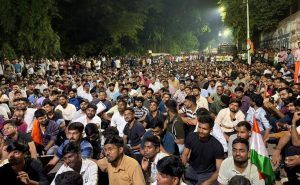
Addressing a public gathering in Hyderabad, Modi said responsible lifestyle choices could play a crucial role in protecting the country’s economy at a time when global disruptions in oil supply chains and increasing import costs were putting pressure on India’s foreign exchange reserves.
The Prime Minister encouraged citizens to make greater use of public transport systems such as metros, adopt carpooling, and revive work-from-home practices, online meetings and virtual conferences to reduce fuel consumption. He also urged industries to increase the use of electric vehicles and railway transportation for movement of goods.
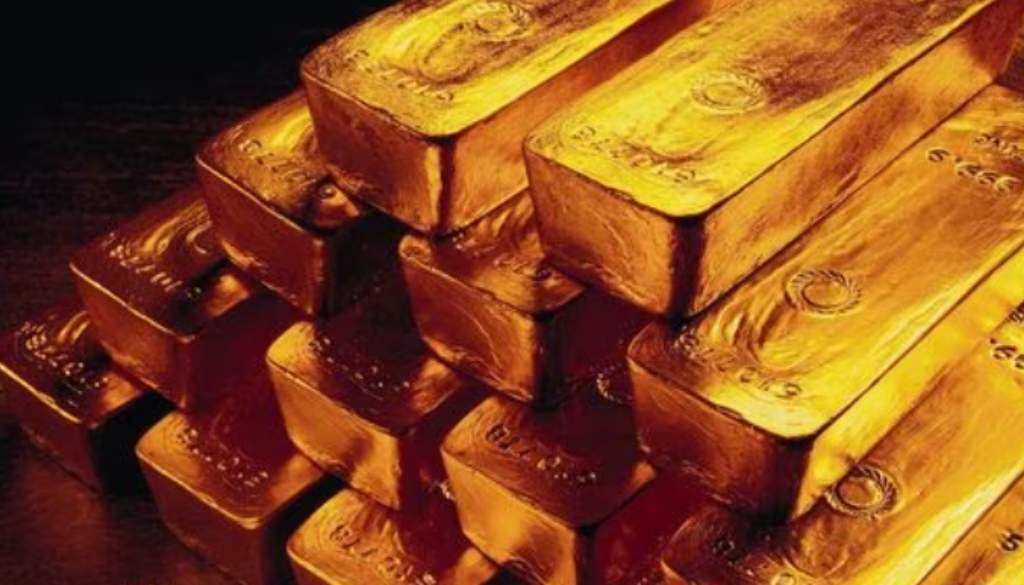
Highlighting the impact of rising imports on the economy, Modi specifically appealed to citizens to avoid non-essential gold purchases for one year as part of a broader effort to reduce financial pressure on the country.
Responding to the Prime Minister’s remarks, the Gem and Jewellery Council of India (GJC) Chairman Rajesh Rokde said the nation’s economic strength must take precedence over individual preferences.
Rokde stated that while the Prime Minister’s appeal reflected concerns over rising imports and pressure on foreign exchange reserves, India already possessed thousands of tonnes of idle household gold that could be utilised more effectively through a transparent and regulated
Gold Monetisation Scheme (GMS).
According to him, a revitalised jeweller-integrated GMS could help mobilise idle household gold, reduce dependence on imports, strengthen the formal economy, improve transparency and convert dormant gold into productive national capital.
“Nation First. Responsible Gold Ecosystem Next,” Rokde said.
Avinash Gupta, Vice Chairman of GJC, said gold has deep emotional and cultural significance in Indian households, but balancing demand with economic stability had become equally important.
Supporting the Prime Minister’s vision, Gupta said a robust and regulated Gold Monetisation Scheme could provide a long-term solution by channelising idle household gold into the formal economy instead of allowing it to remain locked in homes and bank lockers.
He added that efficient utilisation of existing gold reserves could help reduce imports, ease pressure on the current account deficit and strengthen India’s financial ecosystem.
The statements come at a time when India is closely monitoring the economic impact of geopolitical tensions in West Asia, especially on fuel prices, import bills and foreign exchange reserves.