Drinking Too Little Water Can Lead to Serious Health Problems
Pune, 5th June 2026: In today’s fast-paced lifestyle, many people neglect one of the most important aspects of good health—adequate water intake. While most people know that water prevents dehydration, few realize that drinking insufficient water can contribute to common surgical and digestive conditions such as piles, hernia-related complications, constipation, and kidney stones.
According to Dr Chetan Mhaske, Consultant Gastrointestinal and Laparoscopic Surgeon, constipation caused by inadequate hydration is becoming increasingly common among adults and even younger individuals.
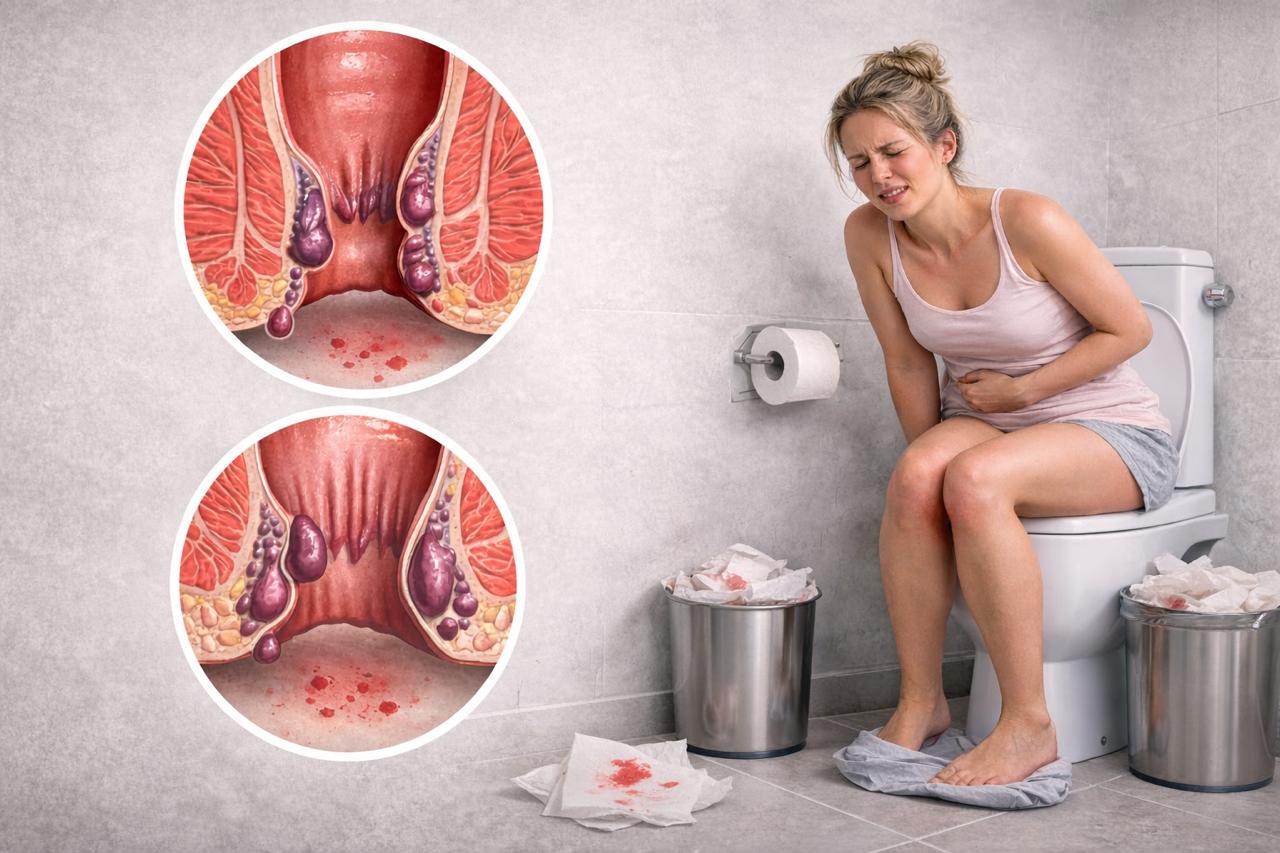
“Many patients who visit us with complaints of piles have a long history of constipation. Hard stools and excessive straining during bowel movements increase pressure on the anal veins, eventually leading to hemorrhoids or piles,” says Dr. Mhaske.
Piles can cause bleeding during defecation, pain, itching, and discomfort, significantly affecting a person’s quality of life. Maintaining proper hydration helps keep stools soft and reduces the need for straining.
Dr. Mhaske also highlights the indirect connection between chronic constipation and hernia. “Repeated straining while passing stools increases pressure inside the abdomen. Over time, this can worsen an existing hernia or contribute to the development of one in susceptible individuals. While water alone does not prevent hernias, preventing constipation certainly reduces unnecessary abdominal strain.”
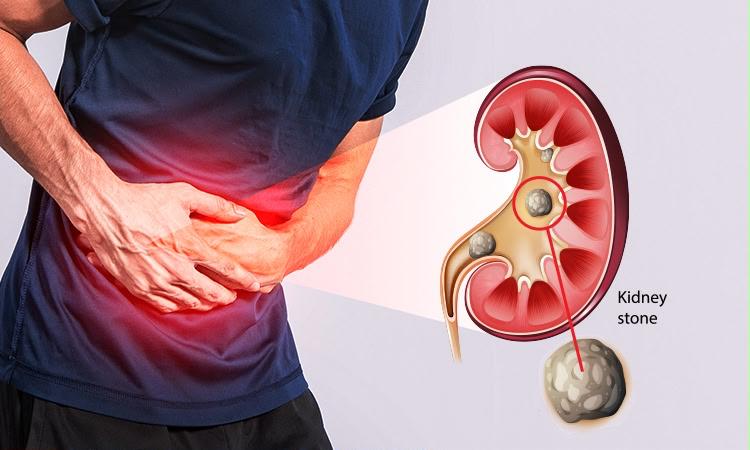
Another major health concern linked to poor water intake is kidney stone disease. When the body receives inadequate fluids, urine becomes concentrated, allowing minerals and salts to crystallize and form stones.
“Kidney stones are among the most painful conditions we encounter. Many patients admit that they drink very little water throughout the day, especially while working, travelling, or during busy schedules. Adequate hydration remains one of the simplest and most effective ways to reduce the risk of stone formation,” explains Dr. Mhaske.
Tips to Prevent Constipation, Piles and Kidney Stones
* Drink at least 2.5–3 litres of water daily, unless medically restricted.
* Increase water intake during hot weather, exercise, and outdoor activities.
* Eat fibre-rich foods such as fruits, vegetables, salads, and whole grains.
* Do not ignore the urge to pass stools or urine.
* Avoid prolonged sitting on the toilet and excessive straining.
* Maintain regular physical activity to promote healthy bowel movements.
* Limit excessive consumption of tea, coffee, and sugary beverages.
* Include water-rich fruits such as watermelon, muskmelon, cucumber, and oranges in your diet.
* Seek medical advice early if you experience persistent constipation, rectal bleeding, or recurrent urinary symptoms.

“People often look for complicated solutions to common health problems. In reality, something as basic as drinking enough water every day can help prevent constipation, reduce the risk of piles, minimize strain associated with hernias, and lower the chances of developing kidney stones,” concludes Dr. Mhaske.
A healthy lifestyle begins with simple habits—and adequate hydration is one of the most important among them.