
Pune: PMC’s Facial Recognition Attendance System Boosts Sanitation Workers’ Attendance to 70%
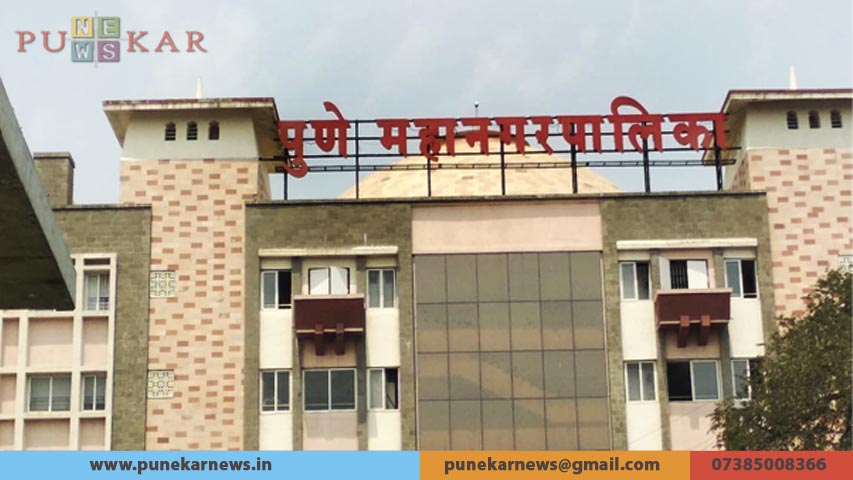
Pune, 5th June 2026: The Pune Municipal Corporation’s (PMC) newly introduced facial recognition-based attendance system for sanitation workers has led to a significant increase in workplace attendance, with officials reporting a rise from 20-30 per cent to nearly 70 per cent within days of its implementation.
The civic body employs around 10,000 sanitation workers, including 4,000 permanent employees and 6,000 contractual staff, who are responsible for maintaining cleanliness across the city. Traditionally, attendance was recorded through a manual muster system, which officials say was vulnerable to misuse.
According to PMC officials, some workers would mark their attendance and leave the workplace, while others allegedly signed attendance registers for an entire week or fortnight in advance and continued drawing salaries without reporting for duty.
To improve monitoring, the Solid Waste Management Department had earlier introduced handheld devices under the Integrated Solid Waste Management System (ISWMS). However, officials claimed that workers often failed to charge the devices, damaged charging sockets, or cited technical faults, limiting the system’s effectiveness.
To address these issues, the PMC has now rolled out a facial recognition-based attendance system developed by HMS. More than 10,000 permanent and contractual sanitation workers have been registered on the platform, which has been operational since May 26.
Under the new system, a worker’s photograph is captured while reporting for duty, followed by another image at the worksite after four hours and a final photograph at the end of the shift. The process is overseen by supervisors, commonly known as mukadams.
Officials said the system has significantly improved accountability. While earlier inspections revealed that actual attendance on the ground was often limited to 20-30 per cent despite full attendance being recorded on paper, the new system has increased physical attendance to around 70 per cent.
The civic administration is now examining the reasons behind the absence of the remaining 30 per cent of workers. However, officials noted that this figure may include employees on sanctioned leave, medical leave, and other approved absences.
“Concerns regarding sanitation workers’ attendance have repeatedly surfaced. To address this issue, the facial recognition system has been implemented. Salaries for June will be calculated based on the workers’ recorded in-time and out-time through the system,” said Santosh Warule, Deputy Commissioner, Solid Waste Management Department, PMC.
However, questions remain about the system’s overall effectiveness, as the responsibility for capturing attendance photographs still rests with supervisors. Critics argue that the earlier muster-based system enabled the practice of so-called ‘ghost workers’, locally referred to as ‘band ghar’, and caution that loopholes may persist unless stronger verification and monitoring mechanisms are introduced.