Pune: CWPRS Begins Comprehensive Safety Review of Khadakwasla and Seven Other Dams
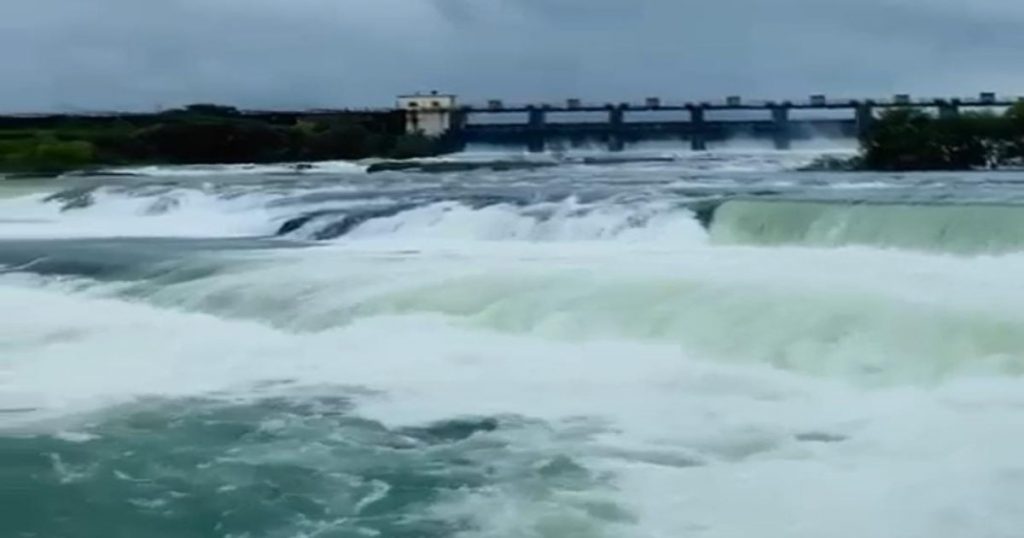
Pune, 12th June 2026: Amid growing concerns over the impact of climate change on water infrastructure, authorities have initiated a comprehensive safety assessment of eight major dams in Pune district, including the Khadakwasla reservoir system that supplies drinking water to the city.
The Central Water and Power Research Station (CWPRS) will carry out a year-long technical evaluation of the Khadakwasla, Panshet, Varasgaon, Temghar, Gunjawani, Veer, Devghar and Bhatghar dams. The findings will be submitted to the Water Resources Department and the state government to help assess the long-term structural safety and operational preparedness of the reservoirs.
Officials said the exercise will examine the entire history of each dam, from pre-construction surveys to present-day conditions. The assessment will compare the original design, geographical conditions and intended objectives of the projects with current realities, including changing rainfall patterns and environmental conditions.
The evaluation will focus on key parameters such as structural stability, reservoir storage and siltation levels, seismic safety standards, foundation conditions and the impact of climate change. Based on the findings, recommendations will be made to enhance safety measures and extend the lifespan of the dams.
Anil Purohit, officiating director of CWPRS, said the exercise is being undertaken under an agreement between the Centre and the Maharashtra government in accordance with directives issued by the Union government.
“In the first phase, eight dams under the Pune Irrigation Department, including Khadakwasla, will undergo structural audits and detailed safety assessments. A committee of experts has been constituted for the purpose and the work has already commenced,” Purohit said.
As part of the assessment framework, dams will be categorised into three groups. Category A will evaluate the risk level, safety status and potential hazards associated with a dam. Category B will focus on structural inspections and assessment of the current condition of the dam, while Category C will review minor repairs, maintenance requirements and upkeep measures necessary to ensure safe operation.
Officials said the study is aimed at strengthening dam safety and ensuring the resilience of critical water infrastructure in the face of increasingly unpredictable weather patterns and climate-related risks.