Are Smart Meters Mandatory? Pune Consumers Seek Clarity as MSEDCL Expands Rollout
Pune, 20th June 2026: The ongoing rollout of smart electricity meters in Pune and nearby areas has sparked confusion among consumers, many of whom are questioning whether the new meters are legally mandatory and why existing, functional meters are being replaced.
Consumers have raised concerns over the lack of clear official communication regarding the replacement drive. Many have questioned why operational meters are being removed and whether they have the option to refuse the installation of smart meters.
The issue has particularly affected small businesses, commercial establishments, and consumers using rooftop solar power systems. Several consumers have alleged that their electricity bills increased after smart meters were installed, affecting household and business budgets.
Consumer organisations have also argued that replacing functional meters could lead to unnecessary expenditure and inconvenience.
While many consumers believe the installation process is effectively compulsory, the Maharashtra State Electricity Distribution Company Limited (MSEDCL) has denied allegations of coercion.

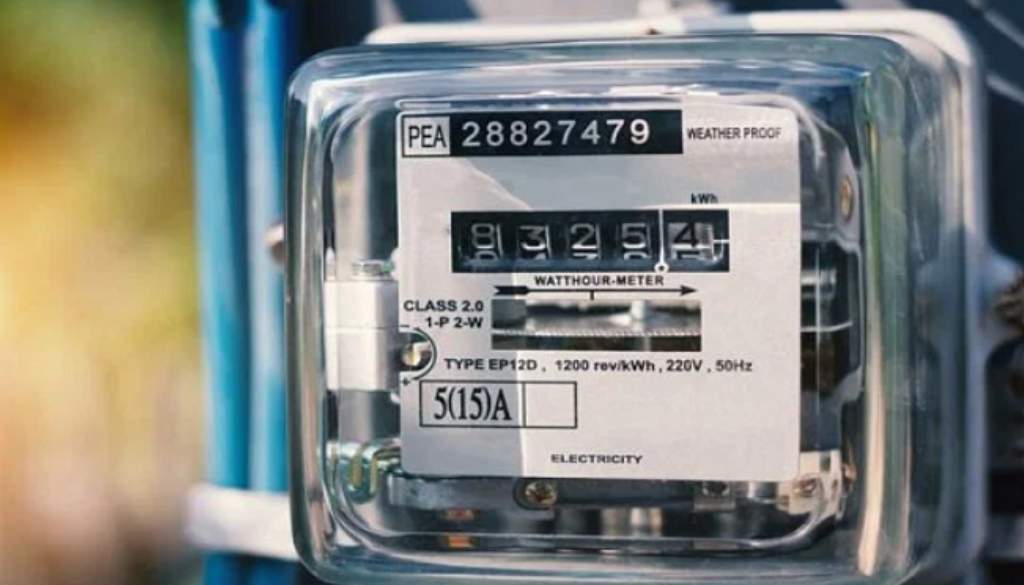
According to MSEDCL, the installation of smart meters is voluntary, and consumers are being encouraged to adopt the technology rather than being compelled to do so. The utility said smart meters provide detailed information about electricity consumption, including hourly usage patterns, enabling consumers to monitor and manage their power usage more efficiently.
MSEDCL Chief Public Relations Officer Bharat Pawar said the utility has installed nearly 1.20 crore smart meters across Maharashtra. In the Pune circle, which serves around 39 lakh electricity consumers, approximately 14.72 lakh consumers have already switched to smart meters.
“Smart meters are not compulsory. We are only appealing to consumers to adopt them. The technology allows consumers to track their electricity usage more accurately and offers benefits such as time-of-day tariff incentives. The billing system will continue to remain post-paid as before,” Pawar said.
Meanwhile, opposition to the smart meter programme is growing. Members of the Patit Pavan Sanghatana staged a protest outside the MSEDCL office in Rasta Peth, demanding that consumers should not be forced to accept smart meters.

The protesters alleged that the new system is being imposed on ordinary consumers without adequately addressing their concerns. They demanded a review of the implementation process and called on the government and MSEDCL to provide greater transparency regarding the benefits, costs, and long-term impact of smart meters.
Representatives of the organisation, including Rajabhau Patil, Shrikant Shilimkar, Lalit Khandale, and Gokul Shelar, said consumer interests must be protected before the programme is expanded further.