India’s LPG Challenge Needs More Than Supply. It Needs Efficiency.
Pune, 13th July 2026: As India navigates rising commercial LPG prices and global supply uncertainty amid recent geopolitical developments in West Asia, which have contributed to the current LPG crisis, the national conversation has understandably focused on fuel availability and energy security. While the country has maintained strong LPG supply continuity through the Government’s efforts, Pune Gas believes that the next chapter of India’s energy story lies in improving how efficiently the LPG already available is consumed, thereby further strengthening India’s energy resilience.
The gravity of the situation is reflected in the impact of West Asia conflict, which has triggered a sharp rise in LPG prices, with commercial cylinder rates increasing to around ₹3,100 from ₹1,884 earlier in the year, while supply restrictions have added to the challenges faced by LPG-dependent businesses, including restaurants, hotels, food processors, hospitals, laundries, MSMEs and manufacturers. At a time like this, it is imperative for India to have a broader conversation about LPG efficiency, as improving utilization is as important as ensuring availability.
To position LPG efficiency as a national priority, Pune Gas has submitted an industry representation to the Ministry of Petroleum and Natural Gas, addressed to Shri Hardeep Singh Puri, proposing a broader LPG Efficiency Framework comprising a set of policy recommendations to encourage efficient LPG consumption through the adoption of need-of-the-hour infrastructure, greater awareness, and standardization across commercial and industrial sectors.
For decades, India’s LPG sector has focused on ensuring efficient supply. The company believes that India’s LPG ecosystem has now reached a stage where improving demand-side efficiency deserves the same level of national attention. Greater awareness of LPG efficiency can help ensure that every kilogram of LPG is utilized more effectively, reducing wastage, easing pressure on supply and lowering operating costs for businesses.
India’s First LPG Efficiency Policy Recommendations
At a time when supply-side pressures are increasing, Pune Gas has urged the Ministry to view the current uncertainties as an opportunity to improve LPG efficiency across commercial and industrial sectors. As part of its policy recommendations, the company has proposed that the Ministry may consider:
Improving LPG utilization efficiency across commercial and industrial sectors.
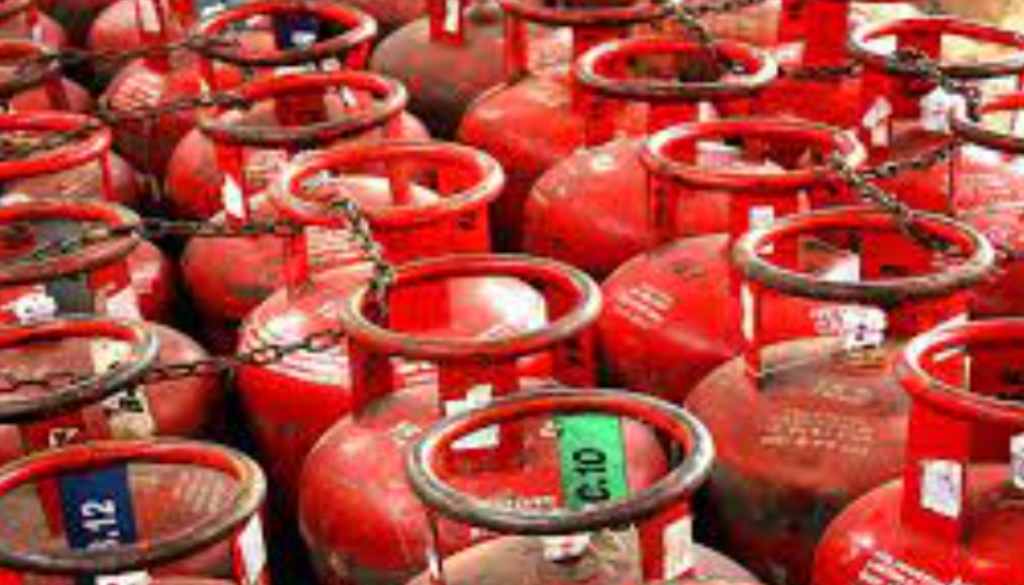
Encouraging OMCs to actively promote 47.5 kg LOT cylinders for commercial and industrial users, where operationally appropriate, as they can help reduce wastage, improve safety standards, prevent pilferage and ensure more efficient utilization of available LPG resources.
Launching nationwide awareness programmes highlighting the efficiency and safety benefits of efficient LPG usage.
Promoting standardization through collaboration between the Government, Oil Marketing Companies (OMCs) and industry stakeholders.
Exploring incentive frameworks and policy guidelines to accelerate the adoption of efficient LPG infrastructure and practices.
To ensure efficient utilization of LPG, Pune Gas has developed LPGenius, an indigenous LPG management system that aligns with the Government of India’s vision of Atmanirbhar Bharat. It has been designed specifically for the unique requirements of Indian commercial and industrial establishments to deliver measurable improvements in LPG efficiency, operational safety and cost optimization, helping organizations enhance productivity while ensuring more reliable and sustainable LPG usage.
Jesal Sampat, Executive Director and CEO, Pune Gas, “India’s LPG challenge has largely been measured by how much fuel is procure and supplied nationally. We believe it is now time to also measure how efficiently we use the fuel we already have. The next leap in India’s energy security will not come only from increasing supply; it will also come from eliminating avoidable wastage. Every kilogram of LPG used efficiently reduces operating costs, eases pressure on national demand and strengthens the resilience of our energy ecosystem. Efficiency is not just good engineering, it is good national policy.”
He added, “We urge the Ministry to recognize LPG efficiency as a national priority by introducing a policy framework for efficiency and standardization. Such measures will not only strengthen India’s energy resilience but also support industries that are heavily dependent on LPG.”
Pune Gas has expressed its willingness to drive this LPG efficiency mission forward with the Ministry of Petroleum and Natural Gas and Oil Marketing Companies by sharing field data, case studies and implementation insights. The company has also offered support for pilot programmes and frameworks aimed at building a more efficient, secure and sustainable LPG ecosystem in India.