Vegetable Prices Keep Pune Market on Its Toes as Rates Shift With Demand and Supply
Reported by Priyanshu Banerjee
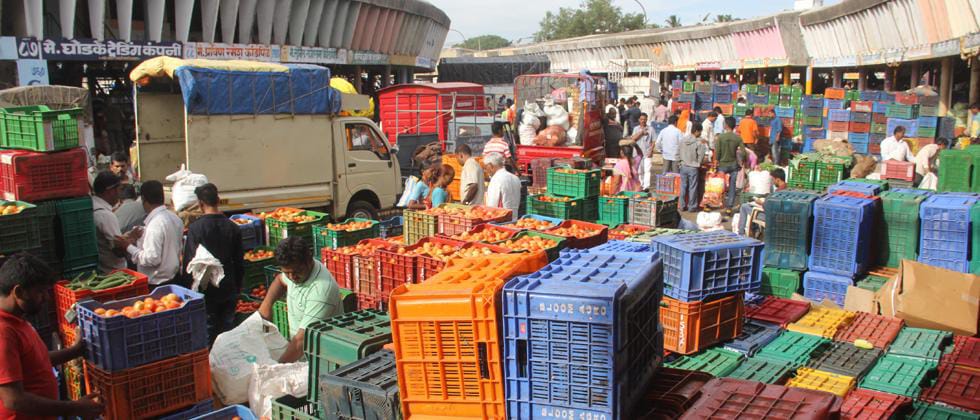
Market Yard, 9th August 2026: For Pune residents, a visit to the vegetable market often comes with one uncertainty: how much will the same vegetable cost this week? At Pune’s Market Yard, prices continue to fluctuate, leaving both consumers and vendors adjusting to changing market conditions.
As of Sunday, potato prices are ranging between Rs 6 and Rs 12 per kg, while onions are being sold at Rs 21 to Rs 26 per kg. Garlic remains one of the costlier essentials, with prices ranging from Rs 100 to Rs 200 per kg, while ginger is available at around Rs 100 to Rs 130 per kg.
Among the relatively cheaper vegetables, capsicum is being sold at Rs 10 to Rs 20 per kg, tomatoes at Rs 10 to Rs 12 per kg, green chillies at Rs 30 to Rs 35 per kg, and beetroot at around Rs 30 to Rs 32 per kg.
For consumers, such fluctuations can make weekly household budgeting difficult. Vendors, however, say vegetable prices are closely linked to changing market conditions, particularly demand and supply.
Speaking to Punekar News, vegetable vendor Vilasrao Bhujbal explained the factors influencing prices.
“The pricing of vegetables depends on the demand and supply in the market. When the demand for a particular vegetable is high, the prices tend to remain low, and when the demand is low, the prices tend to be high. This is how the prices of vegetables are determined,” Bhujbal said.
However, vegetable prices can also be influenced by factors such as weather conditions, crop availability, transportation and arrivals at wholesale markets.
When asked whether irregular weather conditions in Pune and other parts of India could contribute to fluctuations in vegetable prices, Bhujbal said weather conditions can sometimes increase the availability of agricultural produce.
“No, sometimes the weather benefits us because the supply of vegetables and grains increases due to such conditions. For example, the Konkan region receives heavy rainfall, which benefits rice cultivation. People tend to buy rice, which benefits farmers. Again, it is the game of demand and supply that keeps changing the rates,” he said.
The current rates at Pune Market Yard show a significant variation across different vegetables. While tomatoes, potatoes and capsicum remain relatively affordable, garlic and ginger continue to command higher prices.
For Pune households, the weekly vegetable bill can therefore depend on more than just the items on the shopping list. Changes in arrivals, supply, demand, weather and consumer buying patterns can all influence prices, making the vegetable market a constantly shifting part of household budgets.