Becoming a Parent Is Easier Than You Think

By Dr. Mini Salunkhe
Consultant Obstetrician & Gynaecologist
Pune, 11 August 2026: The desire to conceive and bring a child into the world is one of the most profound human experiences. However, for many modern couples, this dream is accompanied by overwhelming stress, anxiety and a feeling of helplessness. It is time to clear the noise and understand a reassuring truth: becoming a parent is often much easier and more within reach than you think.
In my three decades of clinical practice supporting thousands of aspiring parents in Pune, I have witnessed a significant shift. Today’s couples are highly informed but equally stressed. They face a barrage of digital information, high-pressure careers and a growing number of lifestyle-related hormonal imbalances.
The natural response is often to seek immediate, aggressive clinical interventions such as IVF. Yet, a vast majority of couples do not require complex medical procedures to conceive. By resetting our perspective, understanding the physiological rhythms of our bodies and embracing small but powerful lifestyle changes, we can help unlock the body’s natural reproductive potential.
The journey to parenthood does not have to be an exhausting clinical race. It can instead be a natural, empowering and joyful process of self-care.
The Power of Everyday Habits
Fertility is not an isolated switch that turns on or off; it is a reflection of overall health and vitality. The choices we make every day—what we eat, how we move, how much we sleep and how we manage stress—can influence hormonal balance and reproductive health.
These habits do not guarantee conception, and they cannot address every medical cause of infertility. Nevertheless, they create an important foundation for preconception health and may improve outcomes when combined with appropriate medical evaluation and treatment.
Fertility-Enhancing Nutrition
The food we provide our bodies influences general health as well as reproductive well-being. A balanced diet containing antioxidants, healthy fats, good-quality proteins and complex carbohydrates can support metabolic and hormonal health.
A Mediterranean-inspired nutritional pattern may be beneficial. Its principal components include:
Healthy fats: Avocados, walnuts, almonds, seeds and extra-virgin olive oil provide beneficial fats and can form part of an anti-inflammatory eating pattern.
Antioxidant-rich fruits: Berries and other colourful fruits provide vitamins and antioxidants that help protect cells from oxidative stress.
Leafy green vegetables: Spinach, broccoli and other green vegetables provide folate and important micronutrients needed before and during pregnancy.
Complex carbohydrates: Whole grains, pulses and other minimally processed carbohydrates can help avoid rapid fluctuations in blood sugar.
Good-quality protein: Pulses, beans, dairy products, eggs, fish and lean meats can be included according to individual dietary preferences and medical requirements.
Adequate hydration: Drinking sufficient water supports general health and should remain part of a balanced daily routine.
“Conception is not merely about clinical timelines; it is about cultivating a nourishing garden within. You cannot expect a seed to take root in depleted, exhausted soil.”
A healthy diet does not require expensive or exotic ingredients. Traditional Indian meals can be highly nutritious when they include vegetables, dals, whole grains, adequate protein and sensible portions while limiting excessive sugar, refined flour and highly processed food.

Lifestyle and Daily Rhythms
Beyond food, several everyday habits deserve attention.
1. Regular Physical Activity
Consistent, moderate exercise supports cardiovascular fitness, healthy body composition, stress management and insulin sensitivity. Walking, swimming, cycling, yoga and appropriately supervised strength training can all be helpful.
Exercise should be regular rather than extreme. Excessive training, particularly when accompanied by inadequate nutrition or very low body weight, may disturb menstrual cycles and ovulation.
2. Restorative Sleep
Sleep is essential for physical recovery, emotional balance and healthy endocrine rhythms. Adults should generally aim for seven to eight hours of good-quality sleep each night, although individual requirements may vary.
A regular bedtime, reduced screen exposure late at night and a quiet, dark sleeping environment can improve sleep quality.
3. Stress Management
The emotional burden of trying to conceive can be considerable. Chronic stress may affect sleep, appetite, relationships and adherence to healthy routines. It may also make fertility treatment feel more difficult and overwhelming.
Yoga, pranayama, meditation, mindful walking, hobbies and supportive conversations can help couples manage this pressure. Professional counselling may be valuable when stress, anxiety or sadness begins to interfere with everyday life.
It is important to remember that infertility is not caused simply by worrying, and couples should never be blamed for experiencing stress. Stress management is intended to support overall well-being—not to suggest that a person’s thoughts are responsible for a medical condition.
4. Avoiding Tobacco and Excessive Alcohol
Smoking and tobacco exposure can adversely affect reproductive and general health in both women and men. Couples planning a pregnancy should seek professional help to stop smoking or using tobacco.
Alcohol intake should also be discussed with a healthcare professional. Once pregnancy is suspected or confirmed, alcohol should be avoided.
5. Maintaining a Healthy, Sustainable Weight
Being significantly underweight or overweight may influence menstrual regularity, ovulation, metabolic health and pregnancy outcomes. The objective should not be rapid or punishing weight loss. Sustainable habits, adequate nutrition and gradual progress are safer and more effective.
The number on the weighing scale is only one aspect of health. Waist circumference, blood pressure, blood sugar, strength, energy levels, sleep and menstrual regularity also matter.
Demystifying PCOS
Polycystic Ovary Syndrome, commonly known as PCOS, is one of the most frequently encountered hormonal conditions among women of reproductive age. Regrettably, it is also one of the most misunderstood.
When a young woman receives a PCOS diagnosis, she may immediately fear that she will never be able to conceive. This fear must be addressed with clear and compassionate information.
PCOS is not an infertility sentence. Many women with PCOS conceive naturally, while others may need lifestyle support, treatment to regulate ovulation or additional fertility care.
PCOS can affect menstrual cycles and ovulation. It may also be associated with acne, excess facial or body hair, scalp hair thinning, weight changes and insulin resistance. However, symptoms vary considerably from one woman to another.
The name can also be confusing. The ovaries may show several small follicles on an ultrasound, but these are not necessarily “cysts” in the usual sense. An ultrasound appearance alone does not always establish the diagnosis. A clinician considers the woman’s menstrual history, symptoms, physical findings, laboratory results and, where appropriate, ultrasound findings.
PCOS and Metabolic Health
For many women with PCOS, insulin resistance is an important component of the condition. When insulin levels remain elevated, they can contribute to hormonal changes that interfere with regular ovulation.
Because of this connection, lifestyle measures that support metabolic health can form an important part of PCOS management. These may include:
Choosing balanced, minimally processed meals
Including adequate protein and fibre
Limiting excessive sugar and refined carbohydrates
Exercising regularly
Including strength or resistance training when appropriate
Getting adequate sleep
Managing stress
Monitoring blood sugar and other metabolic risk factors when advised
Improving Insulin Sensitivity
Combining a balanced, lower-glycaemic eating pattern with regular activity can improve insulin sensitivity. Muscles use glucose during movement and exercise, which can support better metabolic control.
These changes may help some women experience more regular menstrual cycles and ovulation. The response, however, differs among individuals, and lifestyle care should not replace medical evaluation when cycles are persistently irregular.
Sensible Weight Management
For women with PCOS who are above their individually healthy weight, even a modest and sustainable reduction may improve metabolic health and menstrual regularity. Weight loss should never be pursued through crash diets, severe food restriction or unverified supplements.
Women with PCOS who are not overweight can also experience irregular ovulation and other symptoms. They still deserve appropriate evaluation and treatment; PCOS is not exclusively a weight-related condition.
Targeted Medical Support
Lifestyle measures may be sufficient for some women, while others require medication. Depending on the woman’s symptoms and reproductive plans, a doctor may recommend treatment to manage insulin resistance, regulate menstrual cycles or induce ovulation.
Supplements such as myo-inositol are sometimes used, but they should not be treated as universal remedies. Supplements and medicines should be selected after considering the patient’s medical history, current medicines and individual requirements.
When pregnancy is desired, appropriately selected ovulation-induction treatment can be effective. More advanced fertility treatment may be considered when clinically indicated, but not every woman with PCOS requires IVF.
At my practice, we view a PCOS diagnosis as an opportunity to understand and improve metabolic and reproductive health. By replacing fear with structured evaluation and personalised care, many women can move forward with greater confidence.
Remember: your body is not broken. It is communicating through symptoms that deserve a thoughtful, structured and compassionate response.
Fertility Is a Couple’s Concern
Fertility is often discussed as though it were solely a woman’s responsibility. This is neither medically accurate nor emotionally fair.
Both partners contribute to conception, and evaluation should consider the health of the couple. Male factors can play an important role and may relate to sperm count, movement, shape or other reproductive concerns.
Men planning fatherhood can also benefit from:
Stopping smoking and tobacco use
Limiting alcohol
Exercising regularly
Maintaining a sustainable weight
Eating a balanced diet
Managing diabetes, thyroid disorders and other health conditions
Avoiding unverified bodybuilding drugs or hormonal supplements
Discussing prolonged heat exposure or occupational risks with a doctor when relevant
A couple-centred approach prevents unnecessary blame and can help identify the most appropriate path sooner.
When Should a Couple Seek Medical Advice?
Couples often ask how long they should try naturally before consulting a doctor. General timelines are useful, but individual circumstances matter.
A medical consultation is commonly advised:
After approximately 12 months of regular, unprotected intercourse when the woman is under 35
After approximately six months when the woman is 35 or older
Earlier when menstrual cycles are very irregular or absent
Earlier when there is known or suspected PCOS, endometriosis or tubal disease
Earlier after previous pelvic infection or surgery
Earlier after recurrent pregnancy loss
Earlier when either partner has a known reproductive or significant medical condition
Earlier when there are concerns about sexual function or the male partner’s reproductive health
A consultation does not automatically mean that invasive treatment will be recommended. Often, the first step is simply a detailed history, basic examination and carefully selected investigations.
Understanding the Fertile Window
For couples with reasonably regular menstrual cycles, conception is more likely during the fertile window—the days leading up to and including ovulation.
However, rigid tracking can sometimes create unnecessary pressure. Having intercourse regularly throughout the cycle may be more comfortable for many couples than attempting to identify one “perfect” day.
Women with irregular cycles, particularly those with PCOS, may find calendar-based applications less reliable because ovulation does not necessarily occur at the same point every month. In such cases, clinical guidance may be more useful than depending solely on an app.
Preconception Care Matters
Preconception care is not only about increasing the chance of pregnancy. It is also about preparing for a healthy pregnancy.
Before trying to conceive, couples should consider discussing the following with a qualified doctor:
Existing medical conditions such as diabetes, hypertension, thyroid disease or epilepsy
Current prescription medicines and supplements
Vaccination status
Family history and possible genetic risks
Previous pregnancies, miscarriages or complications
Menstrual regularity and symptoms suggestive of PCOS or endometriosis
Tobacco, alcohol and substance use
Mental and emotional health
The appropriate use of folic acid before pregnancy
Medicines should not be stopped or changed without medical advice. Some treatments may need adjustment before conception, while stopping essential medication abruptly can itself be harmful.
A Philosophy of Compassionate Clinical Care
Every gynaecologist can write a prescription. True reproductive care, however, also requires careful listening, clear communication and empathy.
Over decades of clinical practice in Pune, I have built my approach to patient care around several foundational values.
1. Supporting Safe Vaginal Birth Where Appropriate
Childbirth is a natural physiological process, although it can sometimes require medical or surgical intervention. My focus is to educate, prepare and support expectant mothers so that a safe vaginal birth can be pursued when clinically appropriate.
The safety of the mother and baby must always remain the priority. A Caesarean delivery may be necessary and lifesaving in certain circumstances and should never be viewed as a personal failure.
2. Meticulous High-Risk Pregnancy Management
Pregnancies complicated by advanced maternal age, gestational diabetes, hypertension, thyroid disorders, a history of miscarriage or other medical concerns require specialised attention.
Timely screening, close monitoring and coordinated medical care can help manage risk. Equally important is a calm, reassuring approach that allows the woman and her family to understand what is happening and participate meaningfully in decisions.
3. Demystifying Rather Than Over-Medicalising
A good doctor explains the reason behind each test, symptom and recommendation. Whether we are discussing an abnormal Pap smear, a colposcopy finding, a hormonal assessment or a fertility evaluation, patients deserve clear and understandable information.
When people understand their bodies and the purpose of their treatment, they can move from anxiety towards informed decision-making.
Aspiring parents should not feel that they are walking this path alone or have become part of an impersonal clinical assembly line. Compassion, accessibility and patient-centred communication are as important as technology in modern healthcare.
Hope, Along With Timely Care
“Becoming a parent is easier than you think” does not mean that every fertility concern can be resolved through lifestyle changes alone. Nor should couples blame themselves when conception takes longer than expected.
The message is one of informed hope.
Many fertility concerns can be addressed through better timing, healthier routines, management of PCOS or another underlying condition, simple medical support, or treatment directed at either partner. At the same time, some couples will genuinely need specialised fertility procedures—and receiving such treatment is neither a failure nor something to fear.
The right approach is neither to panic too early nor to postpone evaluation indefinitely. Begin with healthy daily habits, obtain timely medical advice and proceed step by step according to the couple’s individual circumstances.
Parenthood is not a race, and no two journeys are identical. With reliable information, compassionate guidance and appropriate care, the path can become clearer, calmer and more hopeful.
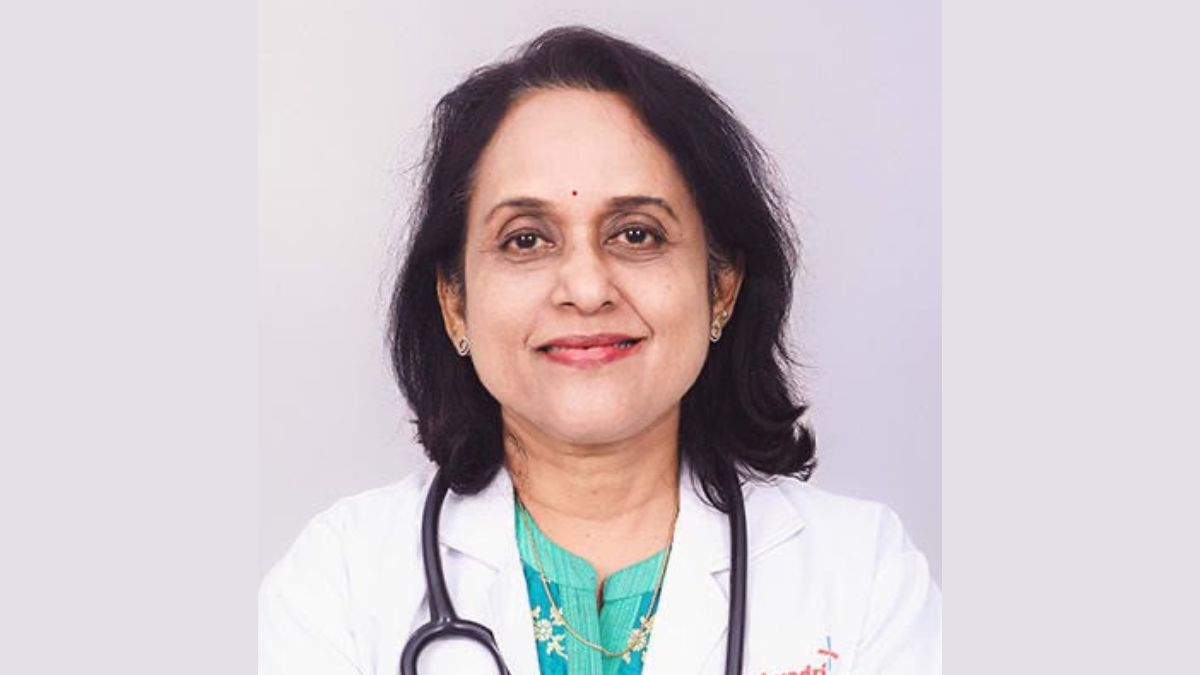
About the Author
Dr. Mini Salunkhe
Consultant Obstetrician & Gynaecologist
Dr. Mini Salunkhe is a senior obstetrician and gynaecologist practising in Pune, with a clinical career spanning more than three decades.
Her clinical interests include pregnancy care, management of high-risk pregnancies, women’s reproductive health, cervical cancer screening, colposcopy, fertility concerns and hormonal conditions such as PCOS.
Her approach combines clinical assessment, clear patient education and practical lifestyle guidance, helping women and couples make informed decisions about fertility, pregnancy, PCOS and long-term reproductive health.
Academic Degrees
MBBS — 1987
Government Medical College, Nagpur
Nagpur University
MD in Obstetrics and Gynaecology — 1990
Government Medical College, Nagpur
Nagpur University
Specialised Training and Professional Details
Specialised postgraduate training: Cervical cancer screening, colposcopy and cytology, Cama & Albless Hospital, Mumbai
Professional membership: Federation of Obstetric and Gynaecological Societies of India
Maharashtra Medical Council registration number: 59059
Consultant Obstetrician & Gynaecologist at Asha, The Clinics of Dr. Salunkhe, Amanora, Hadapsar, Pune.
This article is intended for general public awareness and does not replace personalised medical consultation, diagnosis or treatment.