
How Kia Carved Out Territory Across SUVs, MPVs, and Compact Cars in India
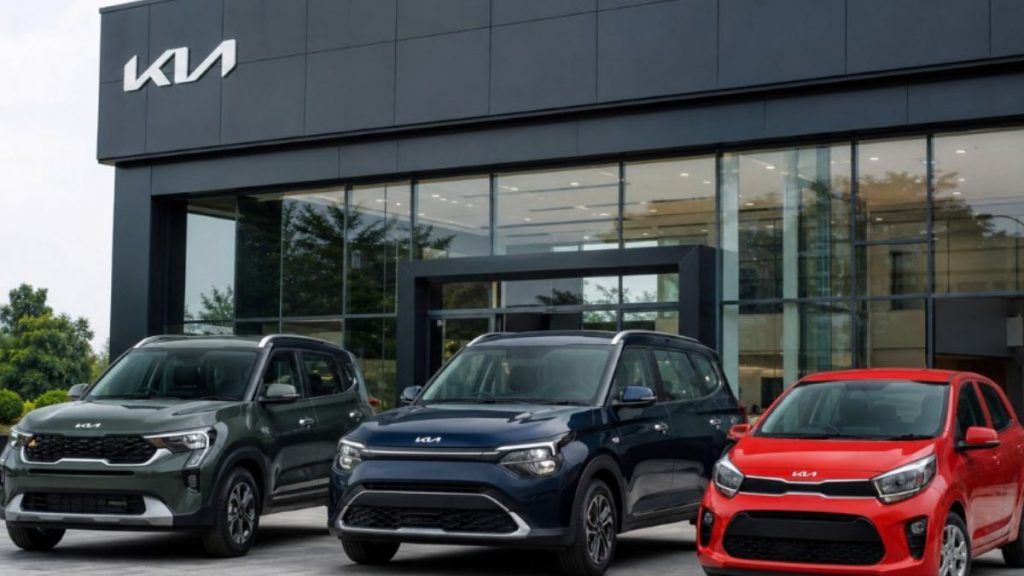
Pune, August 2026: Kia arrived in India in 2019 to a market that wasn’t holding its breath. Entrenched players already covered every price band from four lakhs to forty, and Indian buyers don’t switch brand loyalties on a whim.
Breaking through took more than competitive pricing – it meant picking fights in the right places. Fewer models, each positioned with near-surgical precision, instead of flooding showrooms and hoping something stuck. That discipline is what turned Kia from an unfamiliar badge into a brand buyers actively cross-shop, in under half a decade.
Picking fights in the right segments
The first move was the Seltos. Dropped directly into a mid-size SUV segment already generating massive volumes – smart entry point, but the execution is what separated it from the usual new-entrant playbook.
Rather than launching with a single powertrain and two trims, Kia came in with petrol, diesel, turbo-petrol, manual, CVT, and DCT options simultaneously. A buyer walking into a Kia showroom could configure a Seltos to match almost any budget between Rs 10 lakh and Rs 20 lakh without feeling like they’d settled for something.
The Kia Seltos mileage figures across these powertrain options gave it another edge. The 1.5-litre diesel returns claimed figures north of 20 km/l, while the 1.5 naturally aspirated petrol sits around 13-17 km/l in real-world mixed use.
For buyers running long highway stints regularly, the diesel six-speed manual became the default recommendation in enthusiast circles – not because Kia marketed it that way, but because the numbers held up under real-world testing rather than just on official data sheets. That one model ended up covering commuters, highway runners, and feature-hungry tech buyers without any serious compromise to any of them.
The MPV play that others missed
After establishing the Seltos and Sonet in the SUV space, Kia did something unexpected. It launched the Kia Carens – a three-row vehicle sitting deliberately between MPV and SUV. Competition in that lane was thin. Buyers were choosing between the Maruti Ertiga, the Mahindra Marazzo, or stretching uncomfortably toward the Innova.
Most people think entering a segment with limited competition means easy wins. That’s only half the story. You also inherit buyer scepticism about whether the category even justifies the price.
Kia handled that by anchoring the Carens below Rs 10 lakh for the base petrol variant, undercutting expectations for a six- or seven-seater that still offered connected car tech, ventilated seats, and a sunroof in upper trims. The diesel variants shared the same 1.5 CRDi unit from the Seltos – familiar hardware for anyone already sold on Kia’s powertrain reliability, which quietly removed one more reason for hesitation.
That changes things for families weighing practicality against aspiration. The Carens gave them SUV-adjacent styling with genuine third-row space. Compact SUVs operate under different constraints regarding seating flexibility.
Feature loading as a competitive weapon
One pattern runs through every Kia launch in India. The feature list on mid-variants typically matches or exceeds the top trim of the segment incumbent. The Seltos HTX gets a 10.25-inch touchscreen, wireless Android Auto, and six airbags at a price point where competitors were still offering four airbags and a noticeably smaller display.
The part nobody tells you is how Kia manages this without bleeding margin. Shared Hyundai-Kia platform components keep per-unit costs lower than if each feature were engineered from scratch in isolation: shared infotainment architecture, shared HVAC controls, shared wiring harnesses across the Seltos and Carens trim levels.
None of that shows up in a brochure. But it absolutely shows up in the pricing. Worth noting: even the Sonet, Kia’s sub-four-metre offering, gets a clutchless manual transmission (iMT) and a turbo-petrol option – things buyers in that price bracket rarely had access to before.
Packing segment-higher equipment into a lower price bracket pulls buyers upward from hatchbacks and entry sedans who’d never previously considered an SUV purchase justified.
Balancing volume with brand perception
Running a lean portfolio carries real risk. One model underperforms, and the damage to overall volumes is immediately visible. Kia has managed this by ensuring each product owns a distinct lane.
- Sonet handles entry-level SUV demand
- Seltos covers the volume mid-size segment
- Carens addresses family buyers
- The EV6 is a halo product, signalling where the brand is headed
Genuine limitations exist here, though. Kia doesn’t compete in the sedan segment at all. The sub-Rs 7 lakh hatchback space remains untouched. For buyers in those categories, Kia simply isn’t an option. This reflects a deliberate positioning choice rather than an oversight, because maintaining brand perception matters more than chasing every possible sale.
Service network density is another honest consideration. Kia has expanded quickly, but smaller towns may still have limited workshop access compared to brands with decades of dealer infrastructure already embedded.