Supreme Court Questions Maharashtra Government’s Alcohol Ban Approach, Cites 5 Concerns
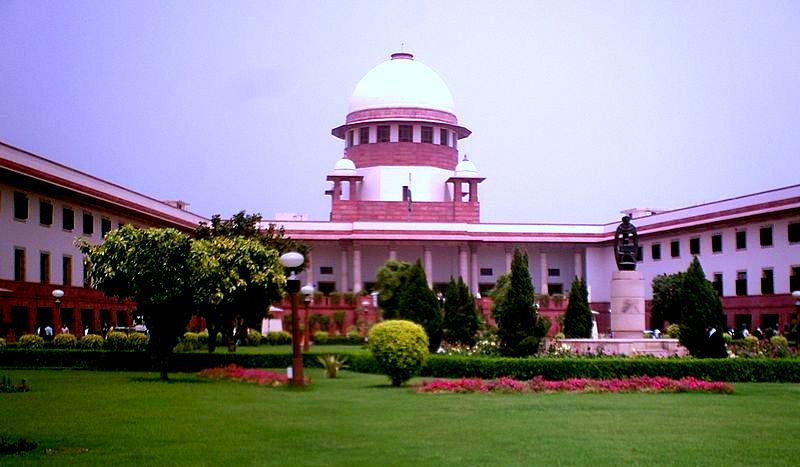
New Delhi, 19th September 2026: The Supreme Court has questioned the effectiveness of complete alcohol prohibition, pointing to five concerns associated with such policies: revenue loss, the cost of enforcement, corruption, illegal liquor trade and the possible rise in demand for other drugs.
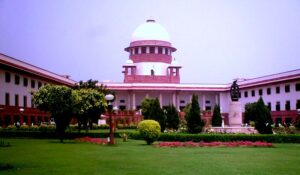
A bench of Justices JB Pardiwala and K Vinod Chandran made the observations while striking down Rules 18A and 18B of the Maharashtra Poisons Rules, which regulated the purchase and sale of methanol. The rules required methanol sold to non-drug manufacturers to be mixed with bittering and colouring agents.
The rules were introduced after a 1991 incident in Mumbai in which 93 people died after consuming methanol-laced spurious liquor. The court was hearing petitions filed by chemical manufacturers, including the Indian Chemical Council, challenging the restrictions.
While examining the broader question of prohibition, the court noted that banning alcohol can result in significant loss of excise revenue for governments. It also pointed to the financial burden of enforcing prohibition, including monitoring, policing and efforts to prevent illegal liquor production and smuggling.
The bench further referred to concerns about corruption within enforcement agencies and the growth of illegal liquor markets when legal alcohol is unavailable. According to the court’s observations, such underground markets can also increase the availability of unregulated and potentially toxic liquor.
The Supreme Court also referred to the possibility of people turning to other intoxicating substances when alcohol is unavailable, identifying a potential drug-related concern associated with prohibition.
The bench cited Gujarat as an example while discussing the effectiveness of prohibition. The state has maintained a strict prohibition policy, but the court noted that it has witnessed at least 10 major hooch tragedies since its formation, with more than 600 deaths reported across these incidents.
The court also referred to recent hooch tragedies in Bhavnagar, Gujarat, and Sagar, Madhya Pradesh, in which 13 and 15 people, respectively, were reported dead.
The Supreme Court said the Maharashtra government’s stated objective of preventing liquor tragedies was legitimate, but held that the specific methanol rules did not have a rational connection with achieving that objective. The court also questioned whether adding bittering and colouring agents could actually prevent methanol from being used to manufacture poisonous liquor.