Pune Ganeshotsav 2026: Pune Family’s First Ganeshotsav at New Home Featured Among Five Stories on Bappa.org
Reported by Shoaib Tadvi
Pune, 19th September 2026: A Pune family’s first Ganeshotsav celebration in their new home has been selected among five unique and inspiring Ganeshotsav stories featured on Bappa.org, the Maharashtra government’s digital cultural archive portal.
The selection has been made under the Cultural Affairs Department’s ‘Gharo Ghari Bappa’ initiative, which aims to digitally preserve Ganeshotsav traditions, memories and celebrations from across Maharashtra and among Indian communities abroad.
The five featured stories showcase family traditions, eco-friendly celebrations, cultural practices and efforts to preserve Indian traditions overseas. Along with the Pune story, the selection includes a traditional Gauri-Ganpati celebration from Guhagar, a homemade clay Ganesh idol, Ganeshotsav celebrations by Indian students in Vietnam and an initiative that uses immersion soil to nurture trees.
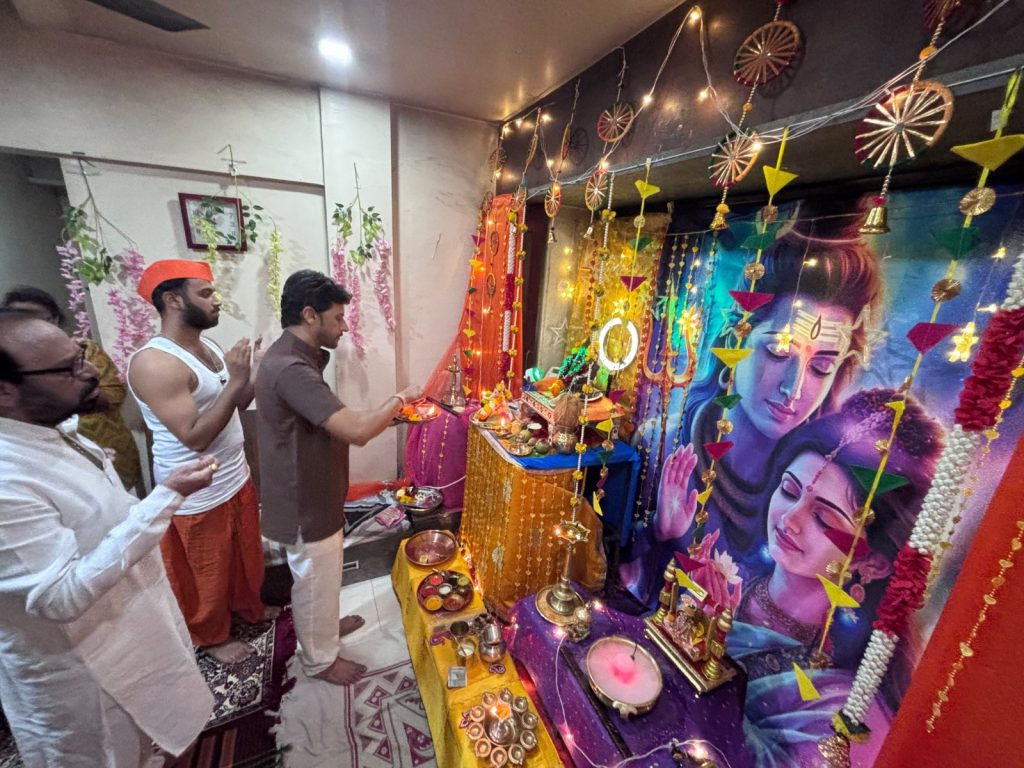
Pune family celebrates Ganeshotsav in new home
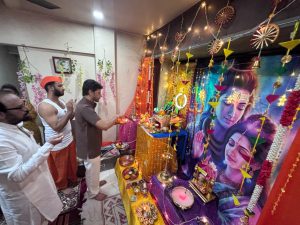
The family of Sanjay Mangalaram, which traditionally travelled to its native place for Ganeshotsav every year, welcomed Lord Ganesha into their new home in Pune for the first time this year.
The family’s two young daughters took the lead in performing the daily puja and aarti. The celebration has been recognised as an example of how traditional practices are being passed on to the younger generation.
Traditional Gauri-Ganpati celebration from Guhagar
A traditional Gauri-Ganpati practice from the Guhagar region of Konkan has also been selected.
As part of the tradition, women carry a Gauri idol in a traditional brass plate along with coconuts used for worship and stems of terada plants. They walk together through paddy fields and village pathways, reflecting the region’s connection with agriculture, nature and ancestral traditions.
Homemade clay idol promotes eco-friendly Ganeshotsav
Nikita J. Panchal chose to avoid Plaster of Paris idols and artificial colours and instead made a Ganesh idol at home using raw clay.
She also painted the idol herself, making the initiative an example of traditional craftsmanship combined with an environmentally conscious approach to Ganeshotsav.
Indian students celebrate Ganeshotsav in Vietnam
Indian students studying in Vietnam also found a place among the selected stories after coming together to celebrate Ganesh Chaturthi.
Despite the limited availability of materials required for the festival, the students prepared fresh modaks themselves and invited their friends to participate in the celebrations. The story was submitted by Ishwar Manohar Borse.
Immersion soil used to grow more than 30 trees
The fifth story highlights the environmental initiative of the family of Parag Narayan Sheth Gujarathi, which has been celebrating Ganeshotsav together for the past 65 years.
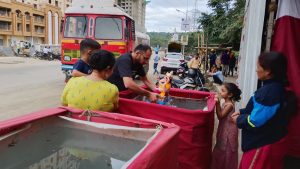
For the last six years, the family has installed a clay Ganesh idol and carried out the immersion on its terrace. The soil left after immersion is then used to grow saplings.
The family nurtures these plants until they grow beyond five feet before planting them along local riverbanks and in hilly areas. Through this initiative, more than 30 trees have been nurtured so far.
Citizens invited to document their Ganeshotsav traditions
The Cultural Affairs Department has appealed to citizens, housing societies, public Ganesh mandals and temple trusts to contribute to Maharashtra’s digital cultural archive.
Citizens can upload photographs of their Ganesh idol or decorations on Bappa.org along with brief details about their traditions, decorations or social initiatives. After successfully submitting the information, participants will receive an official Digital Cultural Conservationist Certificate from the Maharashtra government.
The department will select five distinctive stories every day, with a focus on unique traditions, environmentally friendly initiatives and socially beneficial activities, and promote them through various government platforms.