Used Car Sales in India: How to Compare Cars Beyond the Asking Price
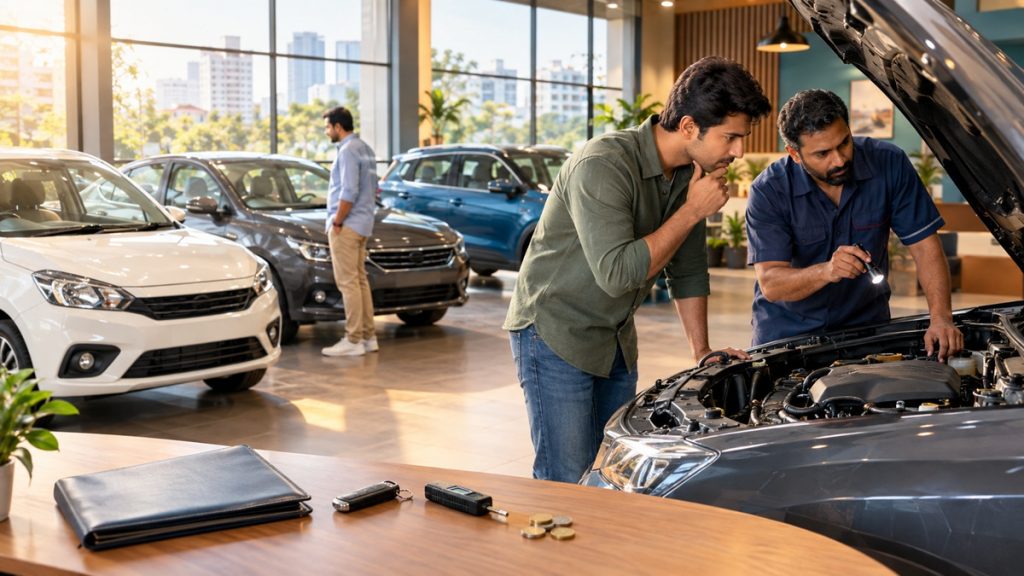
Mumbai, 28th September 2026: When browsing through pre-owned car listings, most buyers tend to focus heavily on the initial sticker price. However, evaluating a vehicle solely by its upfront cost often leads to unexpected expenses down the road.
True value goes far deeper than the seller’s headline figure. Whether you are browsing individual seller listings or evaluating pre-owned corporate fleets, learning how to analyze hidden parameters will ensure you get maximum value for your money.
This blog explains how to compare used car sales in India beyond their asking prices.
Look at the Car’s Age and Usage
To make an accurate comparison, you must evaluate both the age of the vehicle and the nature of its mileage.
| Evaluation Metric | High Mileage / Newer Model | Low Mileage / Older Model |
| Primary Usage Type | Frequent highway driving, long commutes | Short city trips, prolonged parking |
| Wear and Tear Focus | Highway wear (tires, suspension, windshield) | Stop-and-go wear (clutch, brakes, engine idling) |
| Component Aging | Mechanical parts worn by distance | Rubber parts and gaskets aged by time |
| Resale Depreciation | Lower initial value due to high numbers | Higher listing price due to low numbers |
When searching through used car sales in India, prioritize vehicles that have covered consistent annual miles over cars that sat idle for extended periods, as rubber hoses, gaskets, and fluids degrade over time regardless of mileage.
Check the Ownership History
Understanding who previously owned and operated the vehicle gives you immediate insight into how well it was maintained.
- Individual Single-owner Cars: Usually well-cared-for, though maintenance quality varies based on the owner’s personal habits and budget.
- Corporate Fleet Vehicles: Operated as business vehicles, these cars often follow strict operational guidelines.
- Lease-returned Cars: If you are considering buying a leased car, you are generally looking at single-driver vehicles that were subject to formal service contracts.
- Multiple-owner Vehicles: Cars with a well-documented ownership history can make it easier to assess their maintenance records, usage patterns, and overall condition.
Vehicles transitioning out of structured vehicle leasing programs typically offer clear documentation trail advantages over individual sales.
Assess the Service Pattern
When comparing two similar listings in used car sales in India, always weigh service transparency heavily:
- Authorized OEM Center Records: Stampings or digital invoices from authorized Original Equipment Manufacturer (OEM) service centers guarantee genuine spare parts were used.
- Timely Interval Inspections: Check if scheduled maintenance (e.g., 10,000 km or 1-year services) was conducted on time rather than delayed.
- Major Repairs History: Review invoice logs for critical replacements like timing belts, clutch assemblies, and suspension overhauls.
Factor in Future Running Costs
- Insurance Premiums: Older vehicles or high-end variants may attract higher insurance policy renewal fees.
- Immediate Maintenance: Factor in the cost of consumable replacements (tires, battery, brake pads) required within the first 6 months.
- Fuel Efficiency and Compliance: Ensure the engine variant meets current emission norms and offers practical mileage for your daily commuting route.
Compare Similar Cars Before Deciding
To avoid overpaying in the dynamic setting of used car sales in India, set up a comparative matrix across multiple prospective vehicles:
| Feature / Attribute | Vehicle Option A | Vehicle Option B | Vehicle Option C |
| Model and Trim Level | Mid-spec Petrol | Top-spec Diesel | Mid-spec Petrol (Corporate Lease) |
| Service History | Partial / Third-party | Complete / OEM Authorized | 100% OEM Verified |
| Immediate Expenses | Requires New Tires | No Immediate Work | Fully Serviced |
| Documentation | Transfer Needed | Transfer Needed | Verified Corporate Transfer |
Comparing these variables helps you identify which seller offers fair market value rather than just an artificially low sticker price.
Evaluate Financing Terms and Interest Rates
While evaluating the asking price is essential, how you finance the vehicle can significantly impact your total spend. Interest rates for pre-owned car loans are typically higher than those for new cars, making it vital to compare pre-approval options before signing an agreement.
- Interest Rate Disparities: Pre-owned car loan interest rates generally range higher than new vehicle loans. Even a small difference in interest can add tens of thousands of rupees over a 3- to 5-year loan tenure.
- Loan Tenure Limits: Older cars usually come with shorter maximum loan tenures from banks, which elevates your monthly Equated Monthly Installment (EMI) burden.
- Processing and Foreclosure Fees: Always review hidden charges such as administrative fees, valuation charges, and prepayment penalties.
Upgrade to a Fully Verified Pre-Owned Car
Finding the right pre-owned vehicle requires looking beyond surface-level attraction and headline figures. By systematically analyzing vehicle age, ownership history, maintenance records, and upcoming running costs, you can make a financially sound decision.
The expanding landscape of used car sales in India offers fantastic opportunities for smart buyers. Whether you choose a private seller or explore pre-owned fleet options from trusted car leasing partners like Avis Lease when buying a leased car, thorough evaluation ensures long-term reliability.