Pune’s Growth Plan Faces Water Challenge; 200 MLD More Needed By 2036 As PMC Eyes 7 TMC From Mulshi
Pune, 30th September 2026:As Maharashtra looks to triple Pune’s economy over the next decade, ensuring adequate water supply for the expanding economic region is emerging as a major challenge. The Pune economic region is expected to require an additional 200 million litres per day (MLD) of water by 2036 to meet the needs of industries, a growing population and expanding infrastructure.
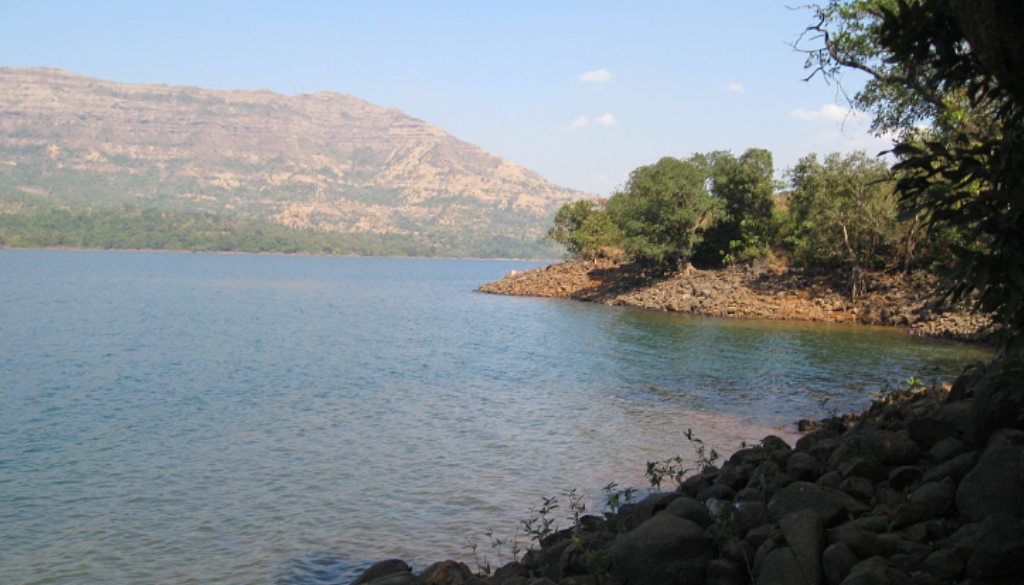
To meet the projected demand, authorities are exploring the possibility of making 7 TMC (thousand million cubic feet) of water available from Mulshi. The proposal is part of a broader strategy outlined in the comprehensive development plan for the Pune economic region prepared under the NITI Aayog’s ‘Growth Hub’ initiative.
The Pune economic region has set a target of taking its economy to Rs 19 lakh crore to Rs 21 lakh crore ($200 billion-$220 billion) by 2036. The expansion is expected to bring significant growth in industries, employment and population, resulting in a substantial increase in water demand.
The proposed measures include bringing 7 TMC of water from Mulshi, exploring additional water availability from the Bhima basin, increasing the reuse of treated wastewater and improving the efficiency of the water distribution network by reducing leakages.
The development plan has identified Mulshi as one of the potential sources to meet Pune’s future water requirements. However, officials will have to address several issues, including approvals from the water resources department, allocation of water and development of the infrastructure required to bring the additional supply to the region.
An additional water source from the Bhama basin is also being considered. The feasibility and implementation of both options will depend on decisions regarding water allocation and the necessary infrastructure.
The Pune economic region plans to expand sectors including manufacturing, technology, automobile, defence, electronics and services. The expansion is expected to attract investment and create employment opportunities.
However, officials have emphasised that ensuring adequate water for industries, the growing population and the city’s daily requirements will be crucial to sustaining the region’s economic growth.
The discussions around the Growth Hub plan have highlighted the need to complement Pune’s economic ambitions with concrete long-term water-supply planning.
The plan also proposes reducing dependence on new water sources by increasing the reuse of existing water. Treated wastewater is proposed to be used more extensively for industrial and other non-potable purposes.
Improving the efficiency of the distribution system and reducing water wastage have also been identified as key measures. The plan further proposes desilting existing water storage structures to increase their storage capacity and make better use of available water resources.