Pune: Sewage Enters Homes, Raises Drinking Water Contamination Fears in Kalepadal; Corporator Slams PMC
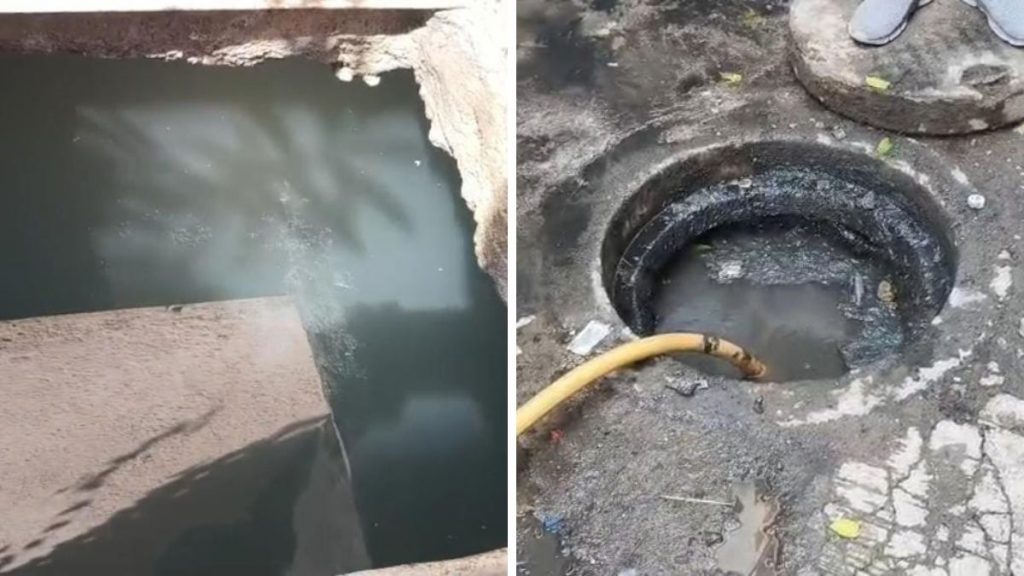
Hadapsar, 9th October 2026: Residents of Kalepadal in Hadapsar are facing a civic crisis, with sewage water reportedly entering homes and parking areas. Residents have also raised concerns about possible contamination of their drinking water, prompting demands for urgent intervention by the Pune Municipal Corporation (PMC).
Amid growing anger, Ward 41 corporator Nivrutti Anna Bandal visited the affected area, interacted with residents and assured them of assistance in resolving the issue. He criticised the PMC over its alleged failure to address civic problems affecting residents’ health and quality of life.
Residents said sewage water entering residential premises and parking areas had caused considerable inconvenience. Fears that the drinking water supply could be contaminated have added to their concerns, with residents demanding immediate action from the civic administration.
Bandal questioned how residents could be expected to pay taxes regularly when basic amenities such as a functional drainage system and safe drinking water remained a concern.
“It is unacceptable that residents have to live with drainage water entering their homes and the fear that their drinking water may be contaminated. The PMC cannot turn a blind eye to such a serious problem. People pay property tax and other civic charges expecting the civic body to provide basic amenities, including proper drainage and safe drinking water. If the administration cannot ensure these essentials, what is the purpose of collecting taxes? Residents should not have to run from pillar to post for services that are their basic right,” Bandal said.
He added that he had visited the affected area, heard residents’ grievances and assured them of all possible assistance. He urged the PMC to inspect the affected premises and water supply network, identify the source of the problem and take corrective measures without delay.
Residents also expressed dissatisfaction with what they described as an inadequate response from their elected representatives. They alleged that although four corporators represent the ward, only one had come forward to hear their grievances, while the others had not responded adequately.
Some residents questioned the collection of taxes when essential civic services remained inadequate, arguing that the administration must be held accountable for addressing their concerns.
Bandal said the PMC must go beyond temporary measures and find a permanent solution. He stressed that the possibility of sewage contaminating drinking water required urgent attention because of the potential public health risks.
“This is not merely a drainage complaint but a matter concerning the health and safety of hundreds of families. If sewage is entering residential premises and mixing with drinking water, the administration must treat it as an emergency. Officials should inspect the area, test drinking water samples and repair any damaged or leaking pipelines immediately. Merely sending staff to the area or making verbal assurances will not solve the problem,” Bandal said.
He called for accountability and a detailed assessment to determine why the drainage system had failed. He also said he would follow up with the civic administration until residents’ grievances were addressed.
The immediate priority is to establish whether the drinking water supply has been contaminated and prevent any further mixing of sewage and potable water. The PMC’s water supply and drainage departments need to inspect the affected locations, test water samples and carry out any necessary repairs.
The civic administration must also identify the cause of the problem, which could involve damaged pipelines, leakage, inadequate drainage capacity or another infrastructure failure, before implementing a permanent solution.
Residents have demanded an urgent response from the PMC and clarity on the corrective measures being undertaken. They have also called for greater accountability from elected representatives, saying access to safe drinking water and proper sanitation should not depend on repeated complaints.
The PMC’s response to the allegations and the steps it proposes to take to resolve the issue were not available at the time of writing.