Beyond Charity: Pune’s EDARCH Pioneers Real Jobs for Disabled Workforce
By Saakshi Pandhare
Pune, 18th August 2025: What if every person with a disability had access to the right kind of training and employment?
It’s a question that troubled Pune-based engineer Dr. Dilip Deshpande—and one he decided to answer with action. At a time when most organizations looked at disability through the lens of charity, he envisioned empowerment.
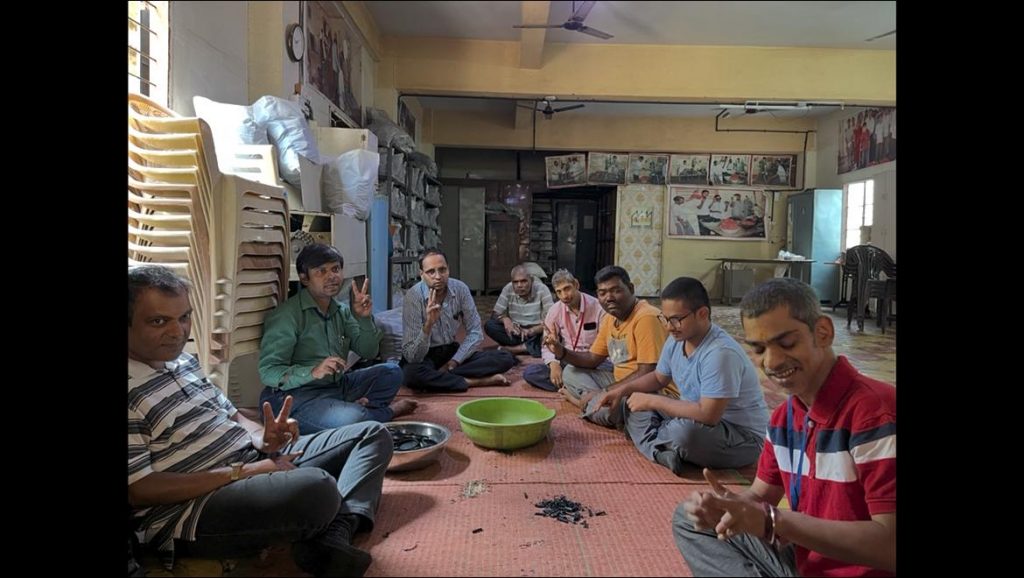
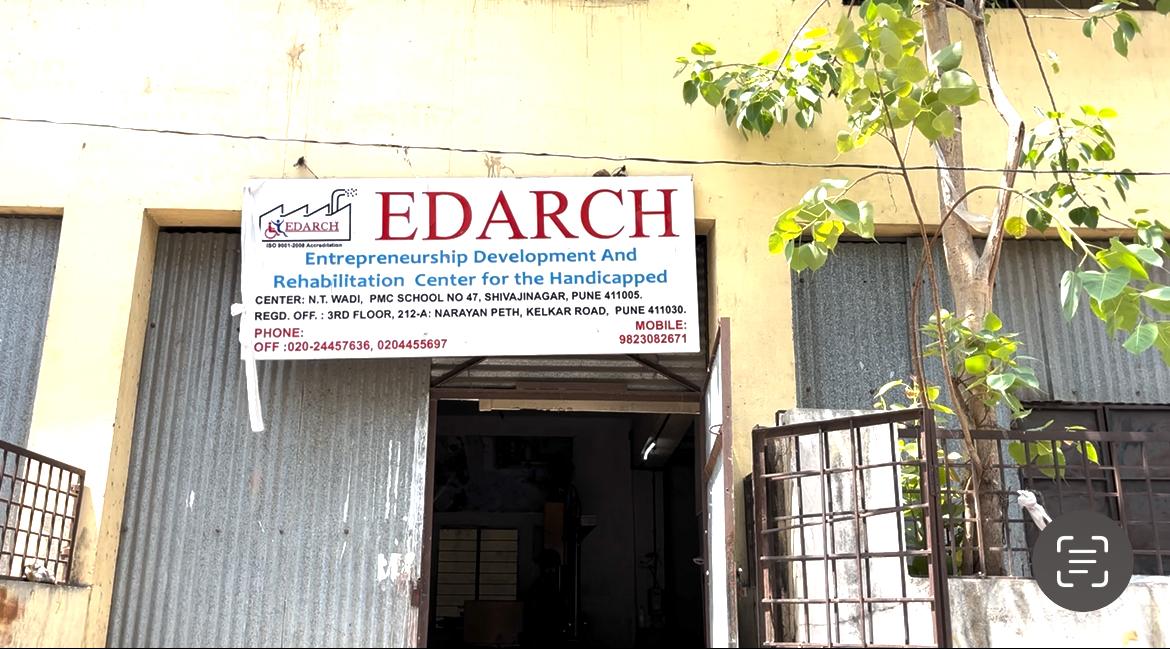
His response was EDARCH—Entrepreneurship, Development And Rehabilitation Centre for the Handicap—a one-of-its-kind initiative where people with disabilities are trained to work with machines, produce real industrial goods, and earn their livelihood with dignity.
The Unseen Gap
According to the 2011 Census, more than 45% of people with disabilities in India remain illiterate. While many children attend special schools, few pathways exist once they graduate. Without access to training or employment, most are left dependent on families or meagre welfare schemes.
The National Sample Survey (76th round) paints an equally stark picture—only 52.2% of persons with disabilities aged 7 and above are literate, a figure nearly 30% lower than India’s average literacy rate.
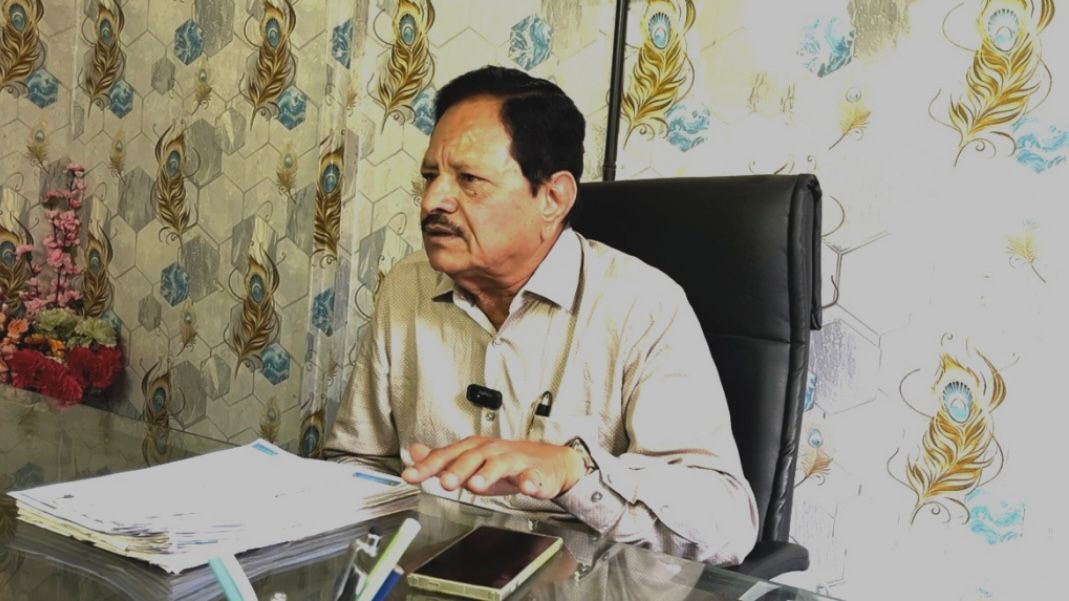
Dr. Deshpande says he couldn’t ignore this divide. “We don’t just train; we transform lives by instilling confidence and providing dignity through work,” he explains.
Beyond Tokenism
Unlike many workshops where disabled individuals are given symbolic or repetitive tasks, EDARCH is structured like a real industry. The center doesn’t just simulate work; it delivers.
One landmark example was when EDARCH’s Divyang workforce successfully completed a bulk order of 15,000 locker lever assemblies for Kirloskar Oil Engines—meeting deadlines, maintaining quality, and proving ability beyond doubt.
Recognition soon followed. The center received the National Award in 1998 and the Helen Keller International Award in 1999 for its pioneering model.
“Our goal is to create a replicable system that can be adopted nationwide. Every individual, regardless of ability, deserves a dignified life,” says Dr. Deshpande.
Real People, Real Jobs
At EDARCH, the stories are as compelling as the mission.
Parth Deshpande, just 18, handles machines on the production floor with the ease and confidence of a seasoned worker.
Srikant oversees the maintenance of equipment, ensuring smooth operations daily.
Vishal commutes by bus every day, proving that dedication and responsibility transcend physical challenges.
“These aren’t symbolic roles,” stresses Dr. Deshpande. “They’re real jobs—with accountability, deadlines, and pride.”
Lifelong Support
One of the most overlooked aspects of disability care is the “after school” vacuum—what happens once a child with special needs finishes formal education.
EDARCH fills that gap. It offers lifelong training, employment, and growth, ensuring individuals don’t just find work but continue evolving as professionals and people.
“It’s not a one-time intervention,” Dr. Deshpande says. “It’s a system that grows with the person.”
Scaling Up the Vision
For all its success, EDARCH today stands as a single center. Dr. Deshpande believes that must change.
“We’ve shown what’s possible. Now we need more centers, more partnerships, more belief. India doesn’t need one EDARCH—it needs a hundred.”
The model, he insists, is proven. The need is undeniable. What’s missing is scale.
One Machine, One Life
In a sector often dominated by charity drives and token gestures, EDARCH stands out for its philosophy: no charity, only capability.
Dr. Deshpande did not wait for a government scheme or a policy shift. He built his own blueprint for change—with machines, with people, and with unshakable conviction that dignity comes from work.
One machine at a time, EDARCH is rebuilding not just careers, but lives.