Bisleri Water Controversy: FSSAI Flags Bromate and PAHs, Company Cites Independent Test
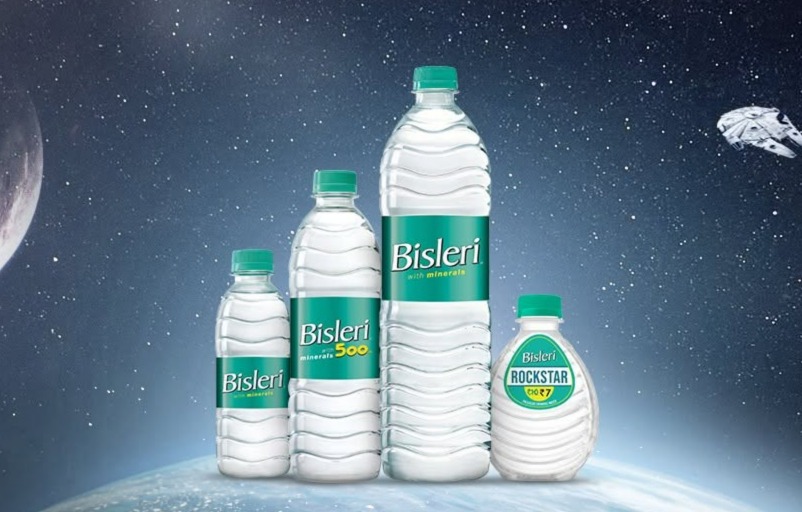
New Delhi, 23rd November 2026: The Food Safety and Standards Authority of India (FSSAI) has approved prosecution against Bisleri International Pvt Ltd after a regulatory sample of its packaged drinking water was declared unsafe following laboratory tests that detected bromate and polynuclear aromatic hydrocarbons (PAHs). However, the company has disputed the findings, claiming that independent testing found bromate levels within the prescribed limits.
According to the food regulator, a sample categorised as ‘Packaged Drinking Water’ was collected from Bisleri’s premises for testing. The initial laboratory examination found bromate levels exceeding the prescribed limit, following which the sample was declared unsafe under the Food Safety and Standards Act, 2006.
After Bisleri appealed against the findings, the sample was sent to a Referral Food Laboratory for further examination. The referral laboratory reportedly found bromate levels within the prescribed limit but separately detected polynuclear aromatic hydrocarbons (PAHs), following which the sample was again declared unsafe.
Based on the laboratory findings, the FSSAI approved the initiation of prosecution against the company under the Food Safety and Standards Act, 2006.
Bisleri questions laboratory findings
In a statement, Bisleri said the matter relates to a batch manufactured in September 2025 at its Goa facility, one of 143 manufacturing plants in its network.
According to the company, the FSSAI collected six samples from the Goa facility on September 30, 2025. Initial testing found that five samples complied with applicable standards, while the sixth recorded bromate levels of 12 micrograms per litre, against the prescribed limit of 10 micrograms per litre.
Bisleri said it appealed against the initial findings on November 22, 2025, following which the sample was sent to a referral laboratory for retesting.
The company stated that the referral laboratory found bromate levels within the prescribed limit but separately flagged the presence of PAHs. Bisleri said the difference between the laboratory findings raised questions that required clarification.
It subsequently arranged independent testing of the same sample at an FSSAI-approved laboratory. According to the company, this test also found bromate levels within the prescribed limit.
Bisleri further stated that it submitted the independent laboratory results to the FSSAI’s Western Regional Office through a formal letter dated February 2, 2026. The company claimed that it received no further communication from the regulator after submitting the results and understood the matter to be closed.
The company also said it had not received the reported notice either by email or in hard copy and had been unable to locate it on the FSSAI website.
Reiterating its commitment to drinking water safety, Bisleri said it conducts more than 90 quality tests across its 10-step manufacturing process. It added that it would continue cooperating with the FSSAI and address the matter through the appropriate regulatory process.
The company maintained that its packaged drinking water remains safe for consumption.
What are bromate and PAHs?
Bromate is a chemical compound that can form during the ozonation of drinking water when naturally occurring bromide reacts with ozone during the disinfection process. Ozonation is commonly used in water treatment to eliminate harmful microorganisms.
However, excessive bromate levels are a health concern because the compound is considered a potential carcinogen. Its presence above prescribed limits can indicate problems with the water treatment process.
Polynuclear aromatic hydrocarbons (PAHs), also known as polycyclic aromatic hydrocarbons, are a group of chemicals that can be produced through incomplete combustion of organic materials and certain industrial processes. They may also enter the environment through petroleum-related pollution and other contamination sources.
Several PAH compounds are classified as carcinogenic or potentially carcinogenic. Their detection in drinking water can indicate contamination during sourcing, processing or packaging.
What should consumers know?
The regulatory action concerns a specific sample and batch of packaged drinking water. It should not automatically be interpreted as a declaration that every Bisleri bottle available in the market is unsafe.
Consumers should check the bottle’s seal, FSSAI licence details, applicable certification marks, manufacturing date and batch number before purchasing packaged drinking water.
If a bottle has an unusual smell, taste, colour or damaged seal, consumers should avoid drinking the water and report the issue to the food safety authorities or the manufacturer.
The development comes amid increased enforcement by the FSSAI against food business operators and e-commerce companies over food safety and regulatory violations.