Central Railway Turns to Vetiver Grass to Tackle Monsoon Soil Erosion in Ghat Sections
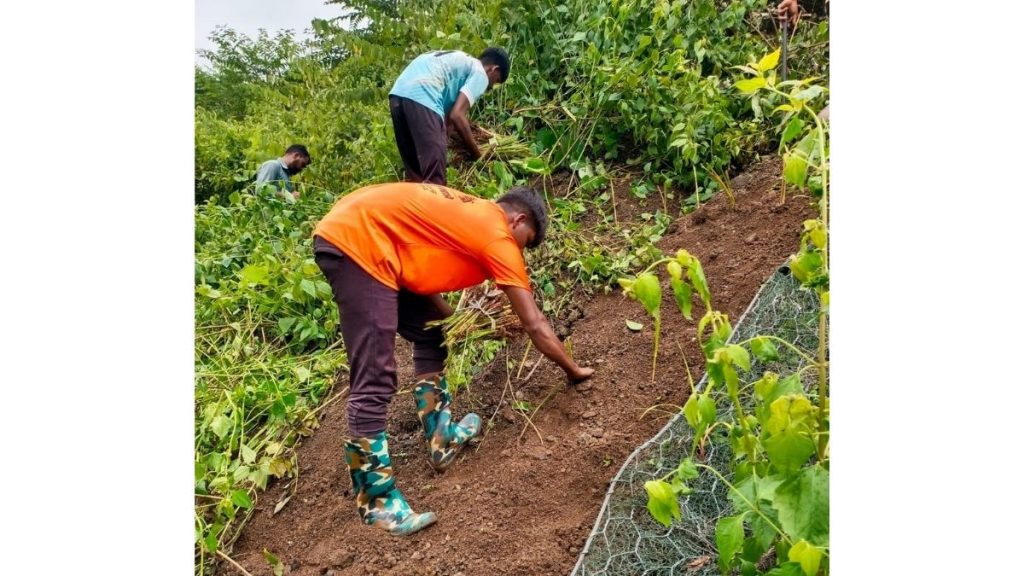
Mumbai/Pune, 31st August 2026: Central Railway is adopting vetiver grass-based bioengineering to strengthen slopes and embankments in vulnerable ghat sections, with the aim of reducing soil erosion and supporting safer train operations during the monsoon.
The initiative focuses particularly on the Bhor Ghat between Karjat and Lonavala and the Thal Ghat between Kasara and Igatpuri, where heavy monsoon runoff can contribute to soil erosion, boulder falls and shallow landslides. Such incidents can pose risks to railway infrastructure and train movement.
As part of the approach, Central Railway is exploring the large-scale use of Vetiver grass (Chrysopogon zizanioides) as a natural slope-stabilisation measure. The plant is widely used in bioengineering because of its dense, predominantly vertical root system.
According to Central Railway, the roots can grow to a depth of around 3 to 4 metres within 12 to 24 months. The extensive fibrous root network binds soil and can increase soil shear resistance by approximately 30–40 per cent, helping reduce the likelihood of shallow slope failures.
Pilot plantations have already been carried out for embankment protection in the South-East Ghat section.
The plantations include:
Khandala–Monkey Hill section: Vetiver has been planted on the UP line side between Km 122/0 and 122/15, covering approximately 1,050 sq m.
Thakurwadi Cabin–Palasdhari section: Plantation has been undertaken near the MID line side between Km 106/600 and 106/700, covering approximately 4,250 sq m.
Under the proposed railway application, Vetiver hedges are planted along contour lines on cutting slopes and embankments. The deep roots help hold the soil, while the dense foliage slows surface runoff. This can reduce the formation of erosion channels, improve water infiltration and trap sediment carried by rainwater.
Over time, the accumulated sediment can contribute to the formation of natural terraces, providing additional support to the slopes.
Central Railway is looking at the measure as a complement to conventional engineering interventions in the ghat sections. The objective is to address soil erosion and slope instability while reducing the possibility of debris reaching railway tracks and supporting uninterrupted train operations during the monsoon.
The initiative is being pursued in the context of the recurring challenges posed by heavy rainfall in the Karjat–Lonavala and Kasara–Igatpuri ghat sections, where slope stability remains an important aspect of railway safety and maintenance.