Law, Economics, Politics: Why Indian Knowledge Systems Are Back in Academic Focus
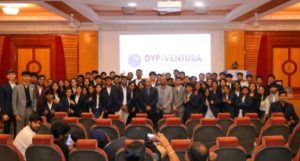
Lavasa (Pune), 24th September 2026: Christ University, Pune Lavasa Campus, organised an international conference on “Indian Knowledge Systems: Intersections with Law, Political Theory and Economics” on September 24, bringing together scholars, researchers and practitioners to examine the contemporary relevance of India’s intellectual and civilisational traditions.
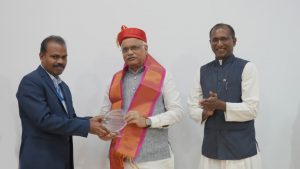
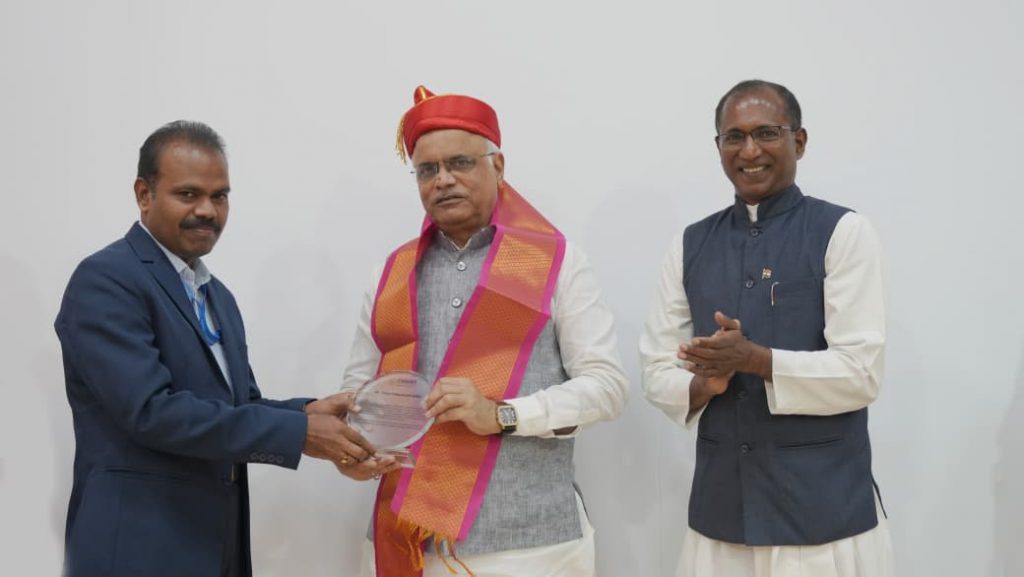
The conference featured Dr. Vinay Sahasrabuddhe, former Member of Parliament, Rajya Sabha, as the chief guest. In his address, Sahasrabuddhe emphasised the continuing relevance of Indian Knowledge Systems and illustrated his observations through case studies drawn from everyday Indian life, including festivals, traditions, apparel and cuisine.
He highlighted how diverse cultural practices across India reflect an underlying civilisational connectedness.
Emphasising the distinctive character of Indian diversity, Sahasrabuddhe suggested that “Unity of Diversity” may be a more appropriate expression than the commonly used phrase “Unity in Diversity.” He underlined the need to understand Indian traditions not merely as isolated cultural practices, but as interconnected expressions of a broader knowledge and social framework.
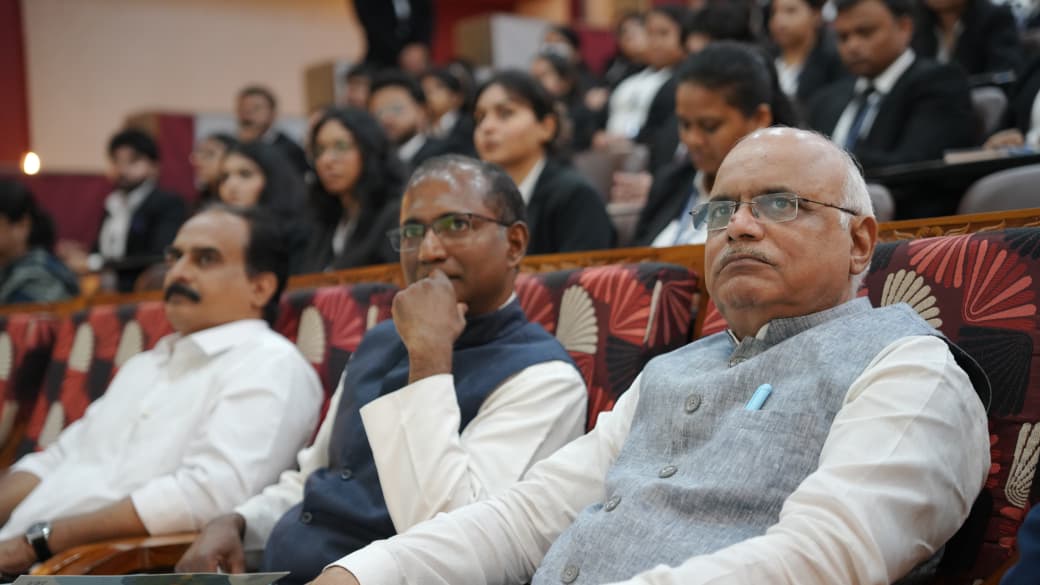
Dr. K. S. Hari, Professor at the Gokhale Institute of Politics and Economics, Pune, brought an economic perspective to the conference. Speaking on public economics, he highlighted the importance of keeping human beings at the centre of economic thinking and policymaking.
He connected this human-centred approach with perspectives emerging from Indian Knowledge Systems, emphasising that economic development needs to be considered in relation to human well-being.
Prof. Nitish Rai Parwani, Coordinator of the Oxford Dharma Centre and DPhil candidate at the University of Oxford, discussed the contemporary relevance of Indian traditions. His contribution explored how concepts rooted in Indian thought can engage with contemporary questions of law, ethics, public policy and society.
The conference provided an interdisciplinary platform to examine how Indian Knowledge Systems can contribute to contemporary debates in law, political theory and economics. It also encouraged deeper engagement with India’s intellectual heritage and its relevance to present-day challenges.