Maharashtra Govt Warns Sainik Schools: Improve NDA Results or Lose Aid
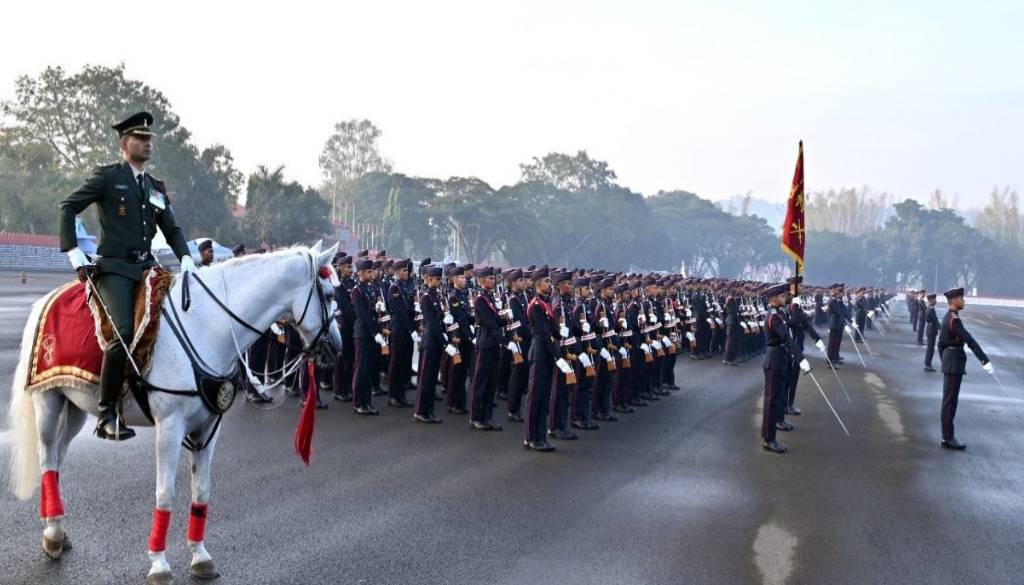
Mumbai, 23rd June 2025: Concerned over the declining success rate of students from state-supported military schools in the National Defence Academy (NDA) entrance exams, the Maharashtra government has decided to initiate a formal review of the issue. A dedicated committee has been appointed to evaluate the current policies and propose measures to improve outcomes.
Maharashtra has long held pride in its network of military-style educational institutions, including two government-run Sainik Schools—Satara (established in 1961) and Chandrapur (launched in 2019)—as well as 38 government-aided but privately managed ‘sainiki’ schools spread across all districts, collectively serving around 12,400 students. These schools are expected to serve as training grounds for students aspiring to join the Indian Armed Forces, with admission to the NDA in Pune considered the primary benchmark of their success.
Despite the extensive network, officials have expressed concern that only a small fraction of these institutions consistently produce NDA-qualified candidates. The Satara Sainik School, historically known for its stellar record, has produced around 750 defence officers over the decades. However, even this flagship institution has seen a drop in its NDA admission figures in recent years.
“This model was expanded under the 1995 Shiv Sena–BJP government by permitting private organisations to run sainik schools under state aid,” said School Education Minister Dada Bhuse. “While some of these schools perform well in other academic areas, the NDA success rate remains unsatisfactory. We must understand the root of the problem and fix it.”
To tackle the issue, the government has formed a seven-member expert panel headed by Anil Sable, Deputy Director of the State Secondary and Higher Secondary Board from the Chhatrapati Sambhajinagar division. The committee includes experienced figures from notable military schools such as Satara and Bhonsla Military School in Nagpur. Their mandate is to examine how the revised sainik school policy—implemented in October 2024—is functioning and what changes may be needed to align outcomes with the original goals.
As part of the policy, 12 out of the 38 aided schools have been granted land parcels of up to 30 acres, provided they consistently enable their students to qualify for the NDA. The policy clearly states that all eligible students must attempt the NDA examination, and institutions are expected to provide infrastructure, coaching, and support to help them succeed.
Schools that fail to meet these expectations face strict penalties. These include losing their sainik school status, reverting to general unaided private school designation, possible repossession of the government-allocated land, and a halt to all state grants.
During a recent meeting with sainik school operators in Satara, Minister Bhuse assured stakeholders that their challenges would be taken into account. “The committee will consult school managements to understand what support is needed,” he said. “The state is committed to ensuring that Maharashtra regains its prominence in producing defence officers.”
The findings and recommendations from the committee are expected to shape a new strategy aimed at improving Maharashtra’s representation in the NDA and ultimately, the Indian Armed Forces.