Must-Have Products for Complete Hair Care Routine
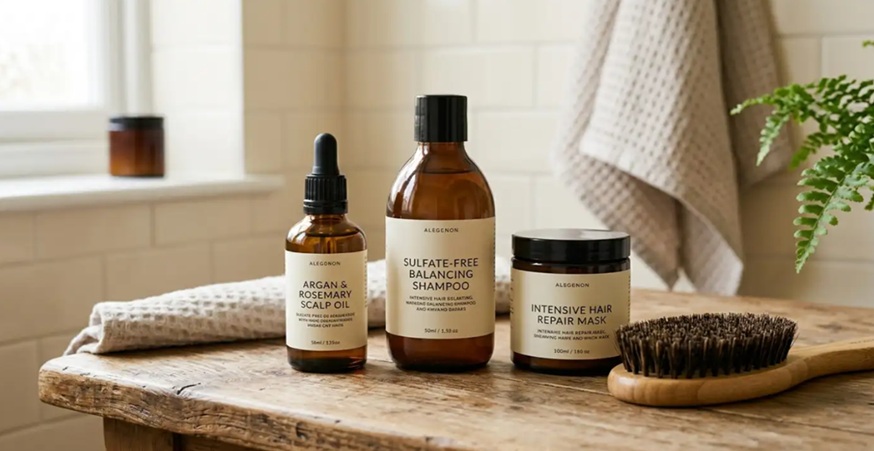
Mumbai, 21st May 2026: Most people don’t think about their hair care routine until something goes wrong — excessive shedding, a dry scalp, dullness that won’t go away, or strands that snap easily. At that point, the instinct is to reach for something, anything, that might fix it. But a good hair care routine isn’t about reacting to problems. It’s about creating the right conditions so those problems don’t show up as often in the first place.
Building that kind of routine means understanding what your hair actually needs — not just what looks good on a shelf.
Start With the Scalp, Not the Hair
This is where most routines go wrong. People focus entirely on the length and ends of their hair while completely ignoring the scalp. But the scalp is where hair growth begins. It’s living tissue — with sebaceous glands, hair follicles, and a microbiome that can tip out of balance.
A healthy scalp routine usually involves a gentle, sulfate-free shampoo that cleans without stripping natural oils. Over-washing dehydrates the scalp. Under-washing leads to product buildup and blocked follicles. Most people do well washing two to three times a week, but this can vary depending on scalp type and lifestyle.
If you have issues like flaking, itchiness, or excess oil, a medicated or targeted shampoo formulated for those concerns will work better than a general one. Don’t just pick something based on marketing claims — look at what’s actually in it.
Why Conditioning Matters More Than You Think
Conditioner is often treated as optional. It isn’t. Hair is made of keratin, a protein, and the outer cuticle layer of each strand needs moisture to stay smooth and intact. Without conditioning, the cuticle lifts, which makes hair frizzy, more prone to tangling, and easier to break.
A good conditioner should:
- Be applied from mid-length to the ends (not the roots)
- Sit for at least two to three minutes before rinsing
- Contain ingredients like hydrolyzed proteins, fatty alcohols, or natural oils
For people with dry or damaged hair, a deep conditioning mask once a week adds a layer of repair that a regular conditioner can’t fully provide.
Oils and Serums — Used the Right Way
Hair oiling has deep roots in traditional hair care, and for good reason. Certain oils like coconut, castor, and argan genuinely penetrate or coat the hair shaft in ways that reduce breakage and improve moisture retention.
But oils can also clog follicles or make hair greasy if used incorrectly. A light application to the scalp two to three hours before washing — not overnight, and not daily — is usually the right approach. Serums, on the other hand, are better suited for post-wash use on damp hair to reduce frizz and protect against heat.
Understanding the difference helps you get the benefit without the buildup.
Nutrition and Internal Support Are Not Optional
This part often gets left out of hair care conversations because it doesn’t involve a product you apply. But hair health is almost entirely driven from within. Deficiencies in iron, vitamin D, zinc, biotin, and protein are directly linked to increased hair fall and slower regrowth.
If your hair has been consistently dull or thinning despite a good topical routine, it’s worth looking inward. Some people also notice premature changes in pigmentation — if that’s a concern, understanding what drives it through resources like this white hair treatment guide can help separate myth from clinical reality.
Approaches like Traya Products are built on the idea that scalp health and hair growth respond best when internal and external factors are addressed together — which is why personalized plans that combine nutrition, Ayurvedic herbs, and topical care tend to work better than single-product solutions.
Protect Your Hair From Daily Damage
Heat tools, tight hairstyles, rough towel drying, and even certain pillowcases cause low-grade daily damage that accumulates over time. You don’t need to avoid all of it, but managing it matters.
A few practical habits:
- Use a heat protectant before blow-drying or styling with hot tools
- Avoid very tight ponytails or braids, especially when hair is wet
- Swap cotton pillowcases for satin or silk to reduce friction
- Gently squeeze hair dry with a microfiber towel instead of rubbing
Final Thoughts
A complete hair care routine isn’t about having the most products — it’s about having the right ones and using them correctly. Start with a clean, healthy scalp. Follow through with moisture and protection. Support your hair from the inside with nutrition. And then simplify wherever you can.
Hair responds slowly. Give a routine at least eight to twelve weeks before judging whether it’s working. Most people abandon routines too early, right before the results would have shown up.