Pune Airport Strengthens Disaster Preparedness with CBRN Training Programme
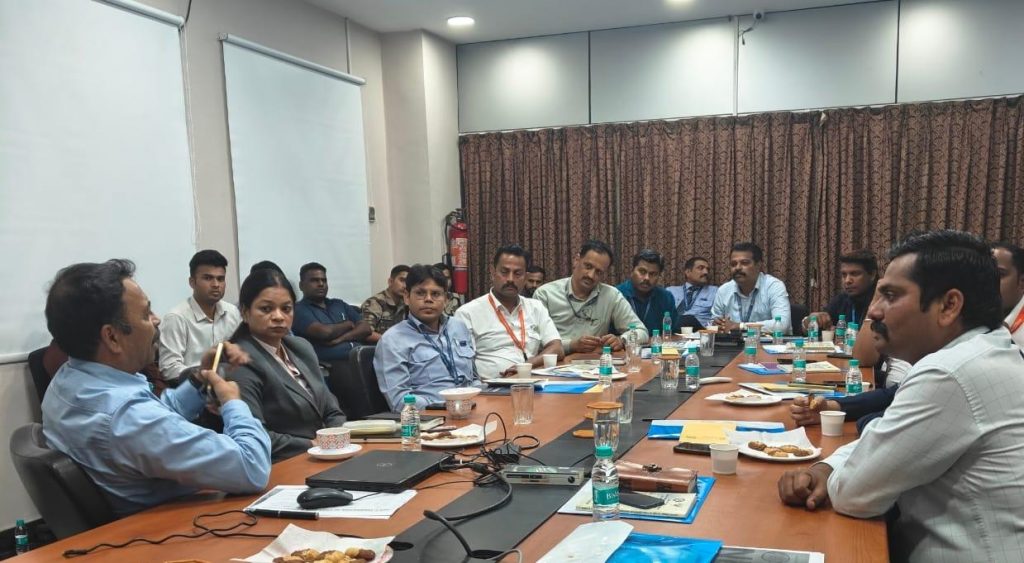
Pune, 13th March 2026: A three-day training programme on Chemical, Biological, Radiological and Nuclear (CBRN) emergency preparedness was conducted at Pune Airport from March 5 to 7 to strengthen the response capabilities of key stakeholders operating at the airport.
The programme was organised by the National Disaster Management Authority (NDMA), Government of India, in coordination with the Indian Institute of Tourism and Travel Management (IITTM). The initiative aimed to enhance preparedness at critical Points of Entry such as airports, which play a vital role in national transportation and international connectivity.
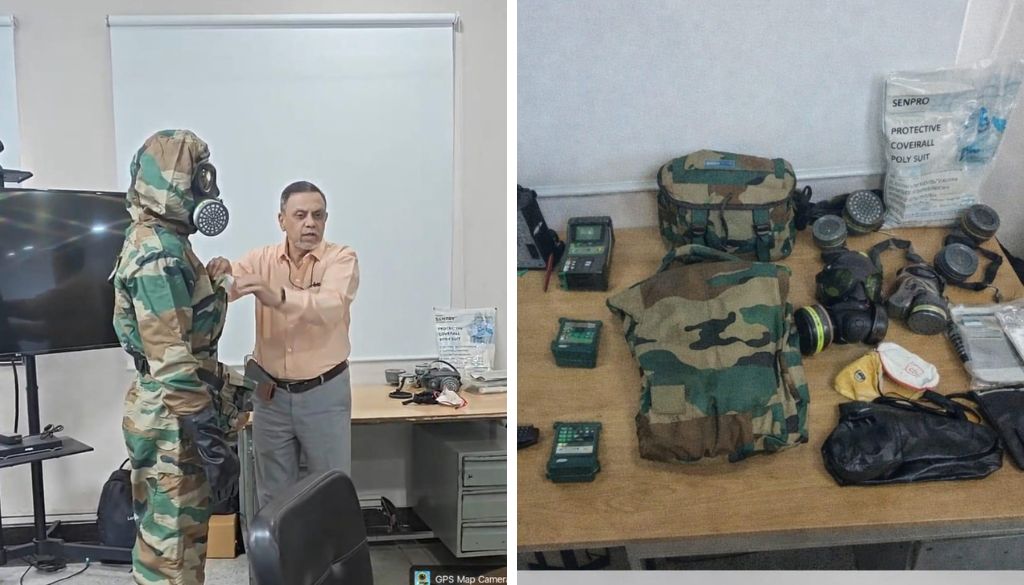
During the three-day programme, participants received technical inputs, operational protocols and practical guidance on identifying, managing and responding to CBRN-related threats. The sessions covered areas such as risk assessment, emergency response planning, incident command structures and safety protocols.
The training also included case studies and scenario-based learning modules, allowing participants to simulate emergency situations and better understand real-world response mechanisms.
A total of 25 participants representing key airport stakeholders attended the programme. These included personnel from the Central Industrial Security Force (CISF), cargo handling agencies, airline operators and the Institute of Liver and Biliary Sciences (ILBS), all of whom play a crucial role in maintaining safety and security within the airport ecosystem.
Officials said the participation of multiple agencies helped promote better coordination, communication and collective preparedness among operational stakeholders, which is essential for managing complex emergencies.
Authorities said such capacity-building initiatives will strengthen the preparedness and response framework at Pune Airport, enabling agencies to effectively handle potential CBRN incidents while ensuring the safety of passengers, airport personnel and airport infrastructure. They added that such programmes also help align airport emergency response systems with global best practices in aviation safety and disaster management.